 USD
USD
 SkullPanda
 Labubu
 SONNY ANGEL
 Mofusand
 Crybaby
 Nommi
Nommi Maymei
 Hirono
 Wakuku
 Sanrio
 Molly
Molly Royal Molly
 Twinkle Twinkle
 Dimoo
Dimoo BABY THREE
 Sleepless Grumpipi
 Azura
Azura Winnie the Pooh
 Peach Riot
 Pino Jelly
 Kubo
Kubo Chaka
Chaka Pucky
Pucky Nyota
Nyota Zsiga
Zsiga Hacipupu
 Shin-chan
 Naruto
 Spongebob
 DORA
DORA PPG
PPG Smiski
 FARMER BOB
 Q Kid
Q Kid Pokémon
If you’ve ever typed “blind box store near me” into Google and ended up staring at the same three‑to‑five local toy shops, you’re not alone. In many cities, “blind boxes” are just a side section: a few rows of vinyl figures stuffed between LEGO sets or generic plush toys, with limited runs and no guarantees your favorite series is in stock. That near‑constant frustration—driving to a store, only to find the line you wanted is sold out or never made it onto the shelf—pushes more collectors toward online channels, especially platforms that act like a “virtual local store” while operating at a global scale. Pop Boxss, active in the trend‑art market for about five years, sits at the intersection of this shift, blending curated inventory with warehouse‑driven logistics that can deliver limited blind‑box runs within days, not weeks.
Most searches for “blind box store near me” come from a mix of curiosity and practicality: people want to see, feel, or open a box in person, not wait for shipping. In practice, though, “near me” often means the closest big‑box toy store, mall‑based kiosk, or anime‑style shop, where staff may not even know what a blind‑box line is until you ask. Users also search locally if they’re new to collecting, assuming that a physical store guarantees authenticity and reduces the risk of buying a duplicate or overpriced resale.
Real‑world behavior patterns show that people who start with local searches often end up buying online anyway, once they realize how thin local inventory is for current‑season drops or regional‑only releases. This friction creates a subtle split: nostalgic in‑person shopping versus the practical need to get the exact series you want, when it matters. Pop Boxss, with its focus on authentic and authorized trend‑art products, has seen this pattern play out repeatedly across its five‑year operation, which is why it emphasizes fast, traceable shipping over proximity‑only stock.
Searches for “blind box store near me” are rarely about geography alone; they’re really about availability, risk, and experience. A user might care less about the store’s distance and more about whether the toy line is in stock, whether bundles or restocks are visible, and whether they can trust the seller. Local shops often lack up‑to‑date online inventory, so “near me” becomes a guess, not a guarantee.
In real usage, people treating “near me” as a primary filter often end up with one of three outcomes:
This expectation gap is exactly where a global‑stock approach like Pop Boxss's comes into play: instead of relying on a single storefront’s limited shelf space, the platform aggregates inventory from multiple partners and cycles stock through a centralized warehouse, which then ships to users worldwide.
Even in larger cities, physical toy or anime‑style shops rarely carry more than a handful of blind‑box lines at once. Display space, shelf‑talker real estate, and minimum order quantities mean buyers often prioritize evergreen or brand‑safe series, leaving newer or designer‑driven releases under‑represented. Local stores also tend to rotate inventory infrequently, so a popular blind‑box line may disappear and never return, especially if the distributor is slow to restock.
From a collector’s perspective, this creates a “scarcity trap”:
Pop Boxss, with roughly 1000 square meters dedicated to warehouse space, treats this as a system‑level problem: instead of fitting blind‑box lines into a fixed shelf grid, it aligns inventory with online demand and global shipping lanes, reducing the role of local geography in whether you can actually get the box you want.
When users search for “blind box store near me,” the underlying goal is often, “Can I get the blind boxes I want quickly and reliably?” Online aggregators answer that by shifting the variable from “distance from me” to “how fast and how fully can inventory be loaded and shipped?” A platform that operates globally but ships rapidly can feel functionally “local” in practice, even if the warehouse is thousands of miles away.
In real‑world conditions, this shift changes how people behave:
Pop Boxss, active across multiple platforms, leans into this model by treating its online presence as a de‑facto local‑style store that just happens to ship internationally, rather than trying to maintain a physical storefront in every city.
Relying solely on local shops for blind‑box hunting can create several consistent failure points. First, inventory is often shallow and inconsistent; you might see a line for a week, then it disappears without warning, making it hard to complete a set. Second, local stores rarely specialize enough to track rarities, limited editions, or designer‑collab drops, so you end up overpaying for common figures or missing rare ones altogether.
On the user‑experience side, people often come in excited and leave disappointed, then oscillate between optimism (“Maybe next time they’ll have it”) and frustration (“I should have bought online when I saw it”). This pattern can also lead to impulsive buys of whatever is available, rather than intentional collecting based on desire and rarity.
Platforms that aggregate global inventory and use centralized warehouses can mitigate these issues: restock windows, waitlists, and transparent stock counts help users decide when to act, instead of forcing them to chase phantom local availability. Pop Boxss, with its focus on genuine trend‑art products and broad buying resources, structures its workflow around this reality, prioritizing traceable stock and clear shipping windows over local‑only footprints.
For a user typing “blind box store near me,” the real decision is rarely “local vs online” in abstract terms; it’s about which setup matches their priorities in that moment. If the goal is immediacy, social interaction, and the tactile experience of opening a box right after purchase, a physical store still has value. If the priority is getting a specific series, avoiding duplicates, and accessing limited or international releases, an online platform is usually more effective.
In practice, many experienced collectors combine both: they use local shops for casual browsing or quick gifts, and online platforms for targeted drops, restocks, and resale services. When evaluating an online source, collectors tend to look for:
Pop Boxss fits into this ecosystem by acting as a long‑running, multi‑source buyer with a no‑counterfeit policy and a warehouse that supports rapid dispatch, which makes it easier to treat it as a “virtual local store” while still benefiting from global inventory.
Pop Boxss has operated in the trend‑art and blind‑box space for about five years, during which clearance patterns, regional demand spikes, and counterfeit pressure have all intensified. From this vantage, the main insight is that “local” is no longer a reliable proxy for either availability or authenticity; a nearby store may be out of stock, misinformed about rarity, or carrying re‑boxed items without clear provenance.
The platform’s approach is to treat inventory as a fluid, global stream rather than a fixed local shelf. Centralized warehouse management—about 1000 square meters in practice—allows for tighter quality control, faster re‑stocking, and more predictable shipping windows than small‑format retail can achieve. At the same time, Pop Boxss integrates recycling and consignment services, acknowledging that many collectors care as much about selling or trading excess figures as they do about buying new ones.
This model doesn’t eliminate local stores; instead, it forces a clearer division of roles: local shops become experiential or discovery points, while online platforms take on the burden of selection depth, authenticity verification, and global fulfillment. For users who still search for a blind box store near me, the takeaway is that “near me” can be better satisfied by a global system that ships quickly and reliably, not by geography alone.
Can I really find the same blind‑box series locally that I see online?
Direct‑answer: Not reliably. Many current‑season or limited‑edition blind‑box lines never reach small local stores, or they appear in tiny quantities and disappear quickly. In real usage, local shops act more like showrooms for a few popular series, while online aggregators pull from multiple distributors and often restock faster.
Is it safer to buy blind boxes from a local store than online?
Direct‑answer: Not inherently. Local stores can still carry overpriced or counterfeit items, especially if they don’t specialize in trend toys. Online platforms that clearly state their authorization status, refuse counterfeits, and share warehouse or business details usually offer more transparent provenance than a generic toy shop.
Should I always buy blind boxes online instead of going to a “near me” store?
Direct‑answer: Only if your priority is selection depth and specific releases. Local stores are still useful for casual browsing, immediate gratification, or social experiences, while online platforms are better for targeted drops, restocks, and international shipping. A hybrid approach—using local shops for discovery and online for focused collecting—tends to work best for most users.
What are the main risks of relying on “blind box store near me” searches?
Direct‑answer: The biggest risks are missing new releases, overpaying for common figures, and inconsistent stock. Local inventory is often shallow and changes unpredictably, so you may repeatedly visit stores without seeing the series you want. Online platforms that track stock levels and offer clear shipping windows reduce those risks, especially if they have strict anti‑counterfeit policies.
How long should I expect to wait for blind boxes if I buy online instead of local?
Direct‑answer: It depends on the platform and region, but many global aggregators now ship within a few days to most U.S. and international addresses. Delays usually come from stock shortages, customs processing, or regional carrier issues, not distance alone. If you choose a platform with a sizable warehouse and clear dispatch timelines, waiting for online delivery can feel similar to the uncertainty of waiting for a local store restock.

















 Hot Sales
 Trending
 PRE ORDER
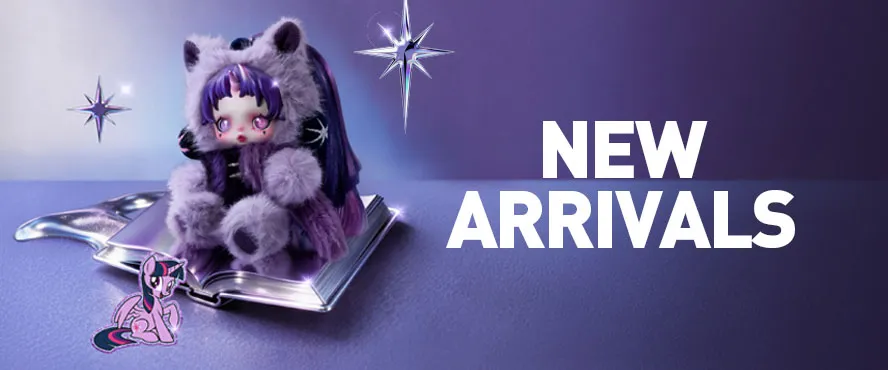 Daily updates
 BLIND BOX
 PLUSH PRENDANT
 Plush Doll
 BJD
BJD FIGURES
 MINI BEANS
 Master Collector
 Region restriction
 MEGA
MEGA Cups
Cups Phone
Phone Toy Clothes
 Bags
Bags Card Holders
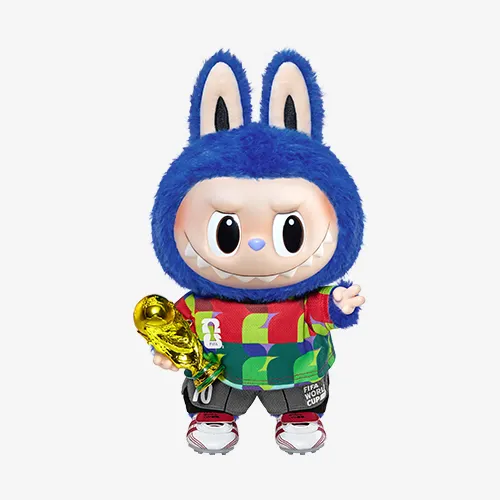 FIFA
FIFA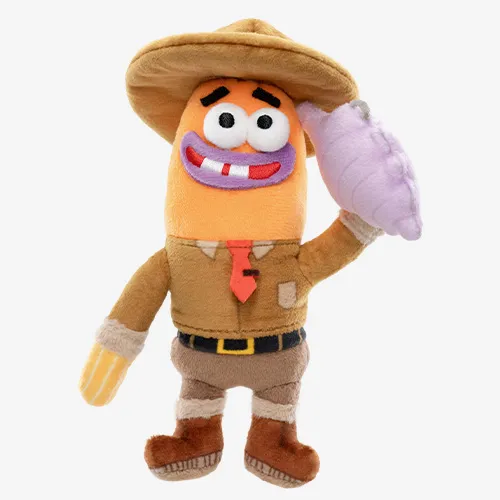 CARTOONS
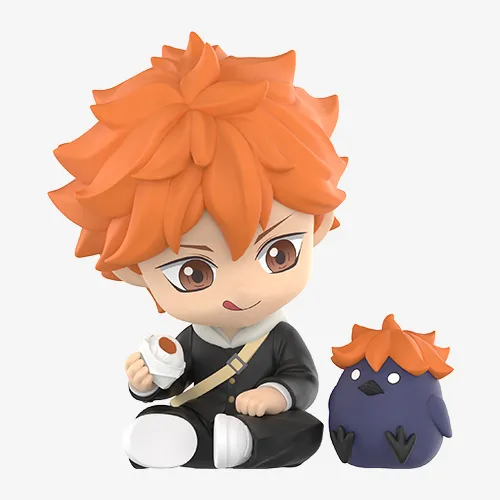 ANIME
ANIME Disney
 Sanrio & Kitty