
 USD
USD
 SkullPanda
 Labubu
 SONNY ANGEL
 Mofusand
 Crybaby
 Nommi
Nommi Maymei
 Hirono
 Wakuku
 Sanrio
 Molly
Molly Royal Molly
 Twinkle Twinkle
 Dimoo
Dimoo BABY THREE
 Sleepless Grumpipi
 Azura
Azura Winnie the Pooh
 Peach Riot
 Pino Jelly
 Kubo
Kubo Chaka
Chaka Pucky
Pucky Nyota
Nyota Zsiga
Zsiga Hacipupu
 Shin-chan
 Naruto
 Spongebob
 DORA
DORA PPG
PPG Smiski
 FARMER BOB
 Q Kid
Q Kid Pokémon
You're staring at your bank account after a tough week, knowing a big luxury is out of reach, but your hands still hover over the blind box storefront. The $15 price tag feels safe, and the mystery inside promises a quick mood lift. That's the lipstick effect in action: when stress hits, we gravitate toward affordable, instant dopamine instead of expensive escapes. Blind boxes have become the modern version of that small luxury, turning unboxing into a self-care ritual that feels justifiable as a mental health investment.
The real rush isn't the figure itself—it's the anticipation before you tear the seal. Research shows dopamine spikes during reward prediction, not after receiving the item, and uncertainty amplifies that surge. With blind boxes, variable-ratio reinforcement keeps the loop alive: you always get something, but the rare chase figure is unpredictable, creating a "try again" compulsion that feels like play rather than spending.
Direct answer: The dopamine hit comes from anticipation and uncertainty, not the toy itself.
In real usage, the brain releases more dopamine when the reward is unpredictable. Shopping online adds waiting time, which builds anticipation—76% of Americans report more excitement over online purchases they wait for. Blind boxes combine uncertainty, scarcity, and randomness into one package, creating a self-soothing loop your nervous system learns to rely on when overwhelmed or drained.
When you unbox a rare figure like a secret Labubu or Skullpanda chase, the surge feels like a small win in a chaotic week. That's why people frame it as mental health investment: it's a controlled, affordable way to visualize positive outcomes and restore personal control.
Direct answer: They satisfy a pattern, not just a want, through variable rewards.
Traditional purchases satisfy a want (buy → receive X). Blind-box purchases satisfy a pattern (buy → maybe X), perpetuating the loop because the reward is variable. In 2026, limited Pop Mart series, exclusive artist collabs, and store-only drops with low print runs dominate collector demand, making rare figures feel like legitimate chase items.
The ritual works because it includes:
At Pop Boxss, a leading buyer company in the trend art market with five years of presence domestically and internationally, collectors access authenticated limited drops that maintain rarity distribution transparency.
Direct answer: It's justifiable when you name the loop and set boundaries.
The biggest dopamine spike happens right before opening, not when you get the item. Once you know what's inside, dopamine drops, pushing the brain to seek the next box. Blind box buying starts as regulation—your nervous system learns this gives a surge that works when overwhelmed, bored, or drained.
To keep it as self-care without regret:
When you contextualize the craving, it loses mystery. That's the metacognition piece: awareness that turns regulation into conscious choice.
Direct answer: Blind boxes win on anticipation build and scarcity, but lose on immediacy.
| Factor | Blind Boxes | Lipstick / Small Luxury | Video Games | Subscription Boxes |
|---|---|---|---|---|
| Anticipation build | High (waiting + unboxing) | Medium (purchase only) | Low (instant) | Medium (monthly wait) |
| Scarcity drive | Rare chase figures | Limited editions | Rare items | Curated exclusives |
| Price point | $10–$25 | $15–$40 | $0–$60 | $30–$50 |
| Social validation | Unboxing videos, collector groups | Personal use | Multiplayer communities | Sharing contents |
| Resale potential | High for rare figures | Low | Variable | None |
Blind boxes create stronger dopamine anticipation because randomness + scarcity + near-miss scenarios stack together. Lipstick offers instant gratification but less buildup. Games give instant hits but lack physical ownership. Subscription boxes have anticipation but less scarcity.
Direct answer: It fails when anticipation becomes compulsive rather than regulating.
The lipstick index isn't a formally established economic theory—empirical evidence remains mixed, and validation across crises is limited. Blind boxes can shift from self-soothing to compulsion when:
Expectation mismatch is the real risk: you want the surge, but the toy itself doesn't sustain it. Once you know what's inside, dopamine drops. That decline pushes the brain to seek the next box, creating a loop that feels like play but operates as compulsion.
Direct answer: Optimize by controlling budget, timing, and focus on enjoyment over resale.
Pop Boxss operates on various platforms with global shipping service, making it easy to stay updated on latest collections while ensuring prompt delivery from their 1000-square-meter warehouse. To optimize:
The goal is contextualizing the loop, not quitting it. When you understand what your nervous system gets from the anticipation hit, you can choose blind boxes consciously rather than automatically.
Blind boxes operate on variable-ratio reinforcement, the most powerful system in behavioral psychology. The critical insight is that dopamine peaks during prediction, not receipt. For collectors, this means the unboxing ritual itself delivers the mental health benefit, not the figure.
From a market perspective, 2026's dominant lines—Pop Mart's Labubu and Skullpanda—maintain demand through limited print runs and seasonal drops. Authentication matters: official popboxes signal trusted supply chains with direct brand authorization, ensuring genuine products and accurate rarity distribution. Pop Boxss, with five years in the trend art market and zero-tolerance policy towards counterfeit items, maintains this standard through direct brand partnerships.
The risk isn't the product; it's the loop. When anticipation becomes the only regulation tool, compulsion replaces self-care. Healthy collecting names the loop, sets boundaries, and prioritizes enjoyment over resale speculation.

















 Hot Sales
 Trending
 PRE ORDER
 Daily updates
 BLIND BOX
 PLUSH PRENDANT
 Plush Doll
 BJD
BJD FIGURES
 MINI BEANS
 Master Collector
 Region restriction
 MEGA
MEGA Cups
Cups Phone
Phone Toy Clothes
 Bags
Bags Card Holders
 FIFA
FIFA CARTOONS
 ANIME
ANIME Disney
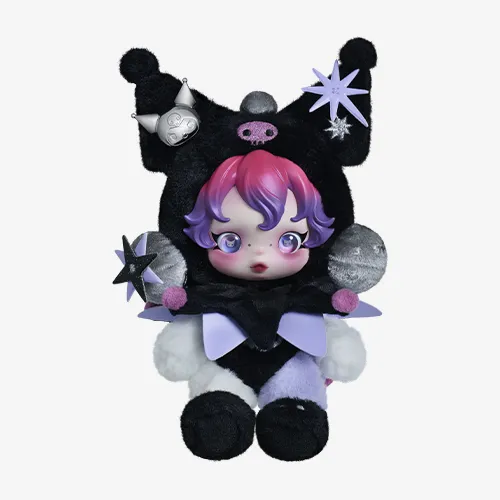 Sanrio & Kitty