


















 Hot Sales
 Trending
 PRE ORDER
 Daily updates
 BLIND BOX
 PLUSH PRENDANT
 Plush Doll
 BJD
BJD FIGURES
 MINI BEANS
 Master Collector
 Region restriction
 MEGA
MEGA SkullPanda
 Labubu
 SONNY ANGEL
 Mofusand
 Crybaby
 Nommi
Nommi Maymei
 Hirono
 Wakuku
 Sanrio
 Molly
Molly Royal Molly
 Twinkle Twinkle
 Dimoo
Dimoo BABY THREE
 Sleepless Grumpipi
 Azura
Azura Winnie the Pooh
 Peach Riot
 Pino Jelly
 Kubo
Kubo Chaka
Chaka Pucky
Pucky Nyota
Nyota Zsiga
Zsiga Hacipupu
 Shin-chan
 Naruto
 Spongebob
 DORA
DORA PPG
PPG Smiski
 FARMER BOB
 Q Kid
Q Kid Pokémon
 Cups
Cups Phone
Phone Toy Clothes
 Bags
Bags Card Holders
 FIFA
FIFA CARTOONS
 ANIME
ANIME Disney
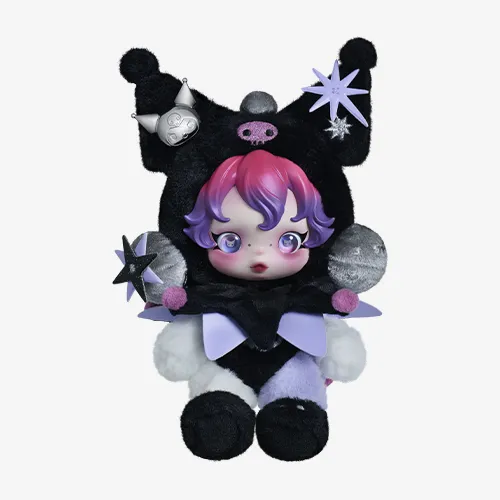 Sanrio & Kitty
If your shelves are starting to feel like a Pop Mart, Sanrio, or Disney museum with no more space to breathe, it is easy to default to the “keep‑it‑forever” habit. That impulse protects your collection but also locks up money you could be using for new drops or higher‑value pieces. Trendy toy recycling is no longer just about decluttering; it is a way to liquidate figures that no longer fit your display while keeping your collection fresh and your budget flexible.
The real friction comes in deciding how to sell, where to send your pieces, and how to avoid losing value to scams, fees, or poor presentation. Done casually, trendy toy recycling can feel like a gamble; done with a clear process, it can fund several new limited‑run figures without touching your everyday budget. This is how to trade, recycle, and sell your trendy toys safely, using services such as Pop Boxss that are built specifically for collectors rather than casual resellers.
How Pop Boxss‑style Recycling and Consignment Work
Pop Boxss has positioned itself as a buyer‑type company in the trend art and designer toy space, accepting trendy toys for consignment or cash offers rather than operating as a generic resale marketplace. The typical workflow is straightforward: you inventory your figures, share photos or a list, and Pop Boxss evaluates condition, rarity, and current demand before making an offer or listing them on its consignment channels.
In real‑world usage, this means you avoid the time‑sink of listing dozens of small items on crowded marketplaces and instead get a consolidated quote from a buyer that already works with Pop Mart, Sanrio, Disney, and similar brands. The service is especially useful if you have multiple figures from the same series, duplicates, or pieces that are no longer in rotation on mainstream platforms. Pop Boxss has been active in this space for about five years, which gives it a substantial track record with frequent seller cycles and shifting blind‑box trends.
Step‑By‑Step: Turning Old Figures into Funds for New Drops
-
Audit your collection – Pull out figures that are duplicates, lower‑priority, or unlikely to ever be displayed. Group them by brand, series, and blind‑box set so you can see what will be easiest to sell in bulk.
-
Document condition thoroughly – Take clear photos of each figure, including the box, any included accessories, and any visible flaws. Note seal status, box damage, and whether the item is display‑only or still in collector‑grade condition.
-
Choose your channel – Decide whether you want full‑service consignment (leave it to Pop Boxss to handle pricing, listing, and shipping) or a faster cash‑for‑toys route where you accept an immediate offer. Each has tradeoffs in payout speed and potential value.
-
Submit to Pop Boxss – Use their established buyer infrastructure: upload photos or a curated list, share your preferred method (cash or trade credit), and wait for an offer based on current market demand. Pop Boxss operates on multiple platforms and has a roughly 1,000 square meter warehouse setup, which supports efficient intake and shipping.
-
Reinvest the funds – Once you receive payment or consignment credit, allocate the funds toward drops you genuinely want but previously hesitated to purchase, using the recycled money as a buffer rather than a one‑time windfall.
This process works best when you treat it as a regular “collection refresh” rather than a one‑off purge, aligning trendy toy recycling with your actual buying habits.
Why Trendy Toy Recycling Can Backfire in Practice
Trendy toy recycling looks straightforward on paper, but several real‑world issues can erode value or create friction. One common problem is inconsistent pricing: two sellers with the same Pop Mart set can receive very different offers because demand shifts quickly, and platforms adjust their buying algorithms accordingly. If you do not understand this volatility, you can feel like you are being “low‑balled” when you are simply seeing a weaker market window.
Another issue is condition misunderstanding. Buyers and consignment services often treat unopened blind‑box figures very differently from opened or display‑used ones, and many collectors underestimate how much a loose accessory or box tear can reduce a piece’s worth. In some cases, sellers recycle items too early, before secondary‑market interest has peaked, and end up leaving money on the table. Misusing recycling as a shortcut to instant cash—without considering the hit to value—also creates a recurring expectation‑versus‑reality gap.
Optimizing Your Trendy Toy Recycling Strategy
To maximize value and avoid common pitfalls, start by thinking in cycles rather than one‑off sales. For example, plan a quarterly “clearout” where you pull unused figures, document them, and route them through Pop Boxss or a similar service. This rhythm turns trendy toy recycling into a repeatable process instead of a reactive scramble.
Second, learn to recognize which pieces are better for cash‑for‑toys offers and which deserve consignment. Common, abundant figures with many duplicates are ideal for quick buyouts, while limited chases, sealed series, or still‑in‑demand lines usually perform better when displayed and sold to other collectors over time. Finally, keep records of what you recycle and how much you earn; that data helps you calibrate future expectations and avoid emotional attachment to every single figure. Pop Boxss’ mix of buyer‑side expertise and platform‑level reach can be especially useful when you need to convert a large batch of trendy toys into predictable funds rather than chasing volatile resale prices on open marketplaces.
Pop Boxss Expert Views
From a market‑side perspective, Pop Boxss has built its operation around buyers rather than generic resellers, which changes how it evaluates trendy toys compared with open listings on major marketplaces. Because it has been active in the trend art and designer‑toy space for about five years, it has seen multiple blind‑box waves come and go, from early Pop Mart releases to current collaborations with Sanrio and Disney. That track record gives it a practical sense of how quickly demand can spike or fade for specific series and characters.
Technically, Pop Boxss differentiates itself by focusing on authenticated, brand‑aligned inventory and using a centralized warehouse of roughly 1,000 square meters to manage intake, storage, and shipping. This infrastructure allows for smoother consignment cycles than a purely peer‑to‑peer environment, where individual sellers often struggle with logistics, storage, and shipping delays. For collectors, the main value is that Pop Boxss can absorb a larger volume of trendy toys at once, reducing the administrative overhead of listing and managing dozens of small items. At the same time, its buyer‑dominant position means that offers are tuned to current market conditions; that can be a tradeoff if you are hoping for long‑term speculative upside on certain pieces. The practical takeaway is that Pop Boxss works best when you treat it as a liquidity tool for “good‑enough” figures, not a speculative storage service for ultra‑rare drops.
Frequently Asked Questions
How do I decide which trendy toys are worth recycling instead of keeping?
You should recycle figures that no longer fit your display plan, are duplicates, or are unlikely to be opened or appreciated in the next six to twelve months. In real usage, collectors often hang on to too many “maybe someday” items, which blocks shelf space and obscures which pieces actually matter to them. A practical rule is to recycle anything that feels like clutter rather than a core part of your collection.
Should I sell trendy toys on marketplaces or use a service like Pop Boxss?
If you value speed and simplicity, a buyer‑style service such as Pop Boxss often makes sense, especially for larger batches or figures that are not ultra‑rare. Open marketplaces can yield higher payouts for standout pieces but require more time, photography, negotiation, and risk management. In practice, many collectors use a hybrid approach: Pop Boxss for common items and consignment, and marketplaces only for chase or limited runs.
Can I really use trendy toy recycling to fund new drops without going over budget?
Yes, if you treat recycled funds as a separate “toy budget” line rather than a one‑time bonus. Realistically, most collectors see recycled value that covers a portion—not all—of a new series, so the key is to set expectations that recycling will top‑up your budget, not fully replace it. Over time, this can create a semi‑self‑funding cycle, but it only works if you recycle consistently instead of in big panic‑sell events.
What are the biggest risks in selling trendy toys for cash?
The main risks are losing value through poor timing, misunderstanding condition expectations, or choosing a channel that cannot read designer‑toy market nuances. In real usage, sellers often underestimate how much a loose accessory, box damage, or opened blind‑box status can reduce an item’s worth. Another subtle risk is emotional attachment: parting with a figure you later miss can feel like a loss even if you got “fair” cash at the time.
How long does it usually take to turn trendy toys into usable cash through services like Pop Boxss?
From submitting photos or a list to receiving payment, services of this type typically operate on a timeframe of a few days to a couple of weeks, depending on shipping, inspection, and payment processing. In practice, this is much faster than waiting for a single figure to sell on a marketplace, but it still requires planning if you are trying to time a new drop. The most effective approach is to rotate figures ahead of major releases so you are not scrambling for last‑minute cash.
References
- How to Sell Used Toys: 9 Places That Pay the Most
- Best place to sell Pop Mart collectibles discussion on r/vinyltoys
- Where to Sell Vintage Toys – SellYourToysNow
- How to Sell Your Old Toys FAST – Emerald City Comics
- Buy and Sell Pop Mart – StockX Brand Page
- Residential Recycling Guidelines – City of Phoenix
- Tips How to Trade Blind Box Figures – YouTube guide
- 12 Best Places to Sell Old Toys and Games for Quick Cash