 USD
USD
 SkullPanda
 Labubu
 SONNY ANGEL
 Mofusand
 Crybaby
 Nommi
Nommi Maymei
 Hirono
 Wakuku
 Sanrio
 Molly
Molly Royal Molly
 Twinkle Twinkle
 Dimoo
Dimoo BABY THREE
 Sleepless Grumpipi
 Azura
Azura Winnie the Pooh
 Peach Riot
 Pino Jelly
 Kubo
Kubo Chaka
Chaka Pucky
Pucky Nyota
Nyota Zsiga
Zsiga Hacipupu
 Shin-chan
 Naruto
 Spongebob
 DORA
DORA PPG
PPG Smiski
 FARMER BOB
 Q Kid
Q Kid Pokémon
Search spikes for “Teletubbies blind box” and “Disney blind box collectibles” over the past two years suggest something more than a passing trend: nostalgic cartoon characters are quietly becoming the default language of modern pop‑art collecting. For Millennial and Gen Z buyers, unboxing a Teletubbies blind box or a Disney‑branded mystery box now feels like scrolling through a mood board of childhood comfort, re‑rendered in slick, limited‑run art‑toy form. And yet, the excitement often clashes with how messy the secondary market can be, how easy it is to over‑invest emotionally, and how quickly the novelty can fade once the sixth box in a set sits on the shelf.
Below, we’ll unpack how these nostalgia‑driven blind boxes work, where they fall short, and what actually matters when choosing between a Disney blind box drop and a Teletubbies blind box series.
Nostalgia blind boxes are capsule‑sized collectibles—usually vinyl figures, plush, or pins—based on retro or childhood IP, sold in sealed, randomized packaging. The “blind” part of the product is the core design: each box is the same on the outside, but the contents vary across a fixed series, with some variants marked as rare or exclusive. For Disney and Teletubbies lines, this structure lets brands repackage familiar characters as compact, display‑friendly art pieces, so adults can justify them as décor or investments rather than “just toys.”
In practice, a Disney blind box series might rework Mickey, Minnie, or lesser‑known park characters into stylized, small‑scale figures, while a Teletubbies blind box series twists the classic four into softer, more stylized variants with limited edition colors or accessories. This shifts the perceived value from pure nostalgia to design curation and scarcity, which is why collectors talk less about “the show” and more about “chase variants” and “full set” completions.
Teletubbies blind boxes lean into absurdity and childhood randomness: pastel palettes, oversized heads, and simple shapes make them easy to photograph and pair with other kawaii‑style décor. Users often buy them as impulse picks in mall‑based toy shops or as TikTok‑inspired drops, using repeated unboxing reels to chase the “perfect” line‑up or rare variant. Because the characters are so recognizable yet tonally silly, the objects read more like playful art than high‑end investment pieces, so they slot easily into bookshelves, vanities, or office desks.
Disney blind boxes, on the other hand, often ride on stronger secondary‑market expectations. Limited‑run Disney blind box drops, sometimes tied to parks or special collaborations, can see rapid resale price spikes online, especially for chaser variants or convention‑exclusive styles. In real‑world behavior, this means many buyers treat Disney blind boxes as “safe” nostalgia‑adjacent investments, whereas Teletubbies blind boxes are more often treated as mood‑based, low‑commitment purchases.
Nostalgia blind boxes tend to cluster around three real‑world triggers: life stress, social‑media trends, and gifting. A user scrolling through a recommendation feed might see a Teletubbies blind box unboxing video, feel a flicker of late‑’90s TV comfort, and add it to cart without researching the full series. Similarly, Disney blind boxes appear around holiday seasons, travel‑to‑Disney moments, or anxiety‑driven shopping spikes, where the mix of surprise, brand trust, and collect‑the‑set mechanics feels like a “managed” impulse.
In practice, this also explains why people buy multiple boxes at once: the unknown contents create a low‑stakes dopamine loop, and the nostalgic branding makes over‑purchasing feel emotionally justified. For many Millennial and Gen Z collectors, that moment of opening a Teletubbies blind box or a Disney mystery plush is framed as self‑care, even though the long‑term outcome is often a growing shelf of half‑completed series.
From a collecting standpoint, Disney blind boxes and Teletubbies blind boxes differ in risk, scarcity, and social signaling. Disney‑themed lines from established brands tend to have clearer rarity structures, more active secondary markets, and stronger resale documentation, which can make them feel more “serious” as collectibles. Teletubbies blind boxes, particularly those from toy‑focused brands, often prioritize visual cuteness and accessibility over strict investment logic, so they’re more likely to be singular mood pieces than long‑term assets.
In real‑world usage, collectors focused on potential appreciation usually hunt Disney blind boxes with known limited runs, artist collabs, or park‑exclusive drops, while Teletubbies blind boxes attract buyers who care more about aesthetics and emotional resonance than resale math. That distinction changes how people curate their displays: Disney boxes cluster around “serious” shelves or locked cases, whereas Teletubbies characters often end up in shared, casual spaces like living rooms or gaming setups.
For many buyers, the problem is not the product, but the expectation that “nostalgia + blind box = automatic value.” In reality, most Disney and Teletubbies blind boxes are mass‑produced enough that only a narrow subset of variants ever appreciate, while the bulk of the series stabilizes at or below retail on secondary markets. Enthusiasts who binge‑buy Disney blind boxes hoping for instant returns often end up with overstock, storage issues, and the sour feeling of “I bought the wrong series.”
Teletubbies blind boxes face a different kind of friction: the emotional hook is so strong that people buy them as quasi‑therapy objects, only to feel a drop in novelty once the character is no longer new or “TikTok‑new.” Over time, that can leave a trail of half‑loved figures that are too niche to integrate into more coherent art‑toy collections but too sentimental to resell.
Treating nostalgia blind boxes as “emotional decor” rather than pure investments can close the gap between expectation and outcome. Before buying a Disney blind box line, it helps to map the rarity tree, check which releases have already turned into chasers, and decide whether the draw is the design, the character, or the resale pipeline. For Teletubbies blind boxes, a clearer rule set—like “only one of each series” or “only if it fits my existing color palette”—can keep the emotional payoff from tipping into over‑collector fatigue.
In practice, collectors who maintain long‑term satisfaction often treat nostalgia blind boxes as a secondary layer on top of a more coherent art‑toy or vinyl‑figure system, rather than the core of their hobby. That way, a Disney blind box variant or a rare Teletubbies blind box still feels special, but it doesn’t anchor the entire collection to a single IP or trend wave.
Pop Boxss has operated for five years in the trend art and toy space, which has given it a front‑row view of how nostalgia blind boxes evolve from hype to habit. Across those years, the most consistent pattern is that buyers place the highest trust in sealed, branded Disney blind boxes simply because the IP and retail ecosystem are so visible, yet the real‑world value is often less predictable than the marketing implies.
On the Teletubbies side, Pop Boxss has seen how blind box series that lean into stylized, softer silhouettes and color shifts tend to perform better as mood‑driven pieces than as “investment” lines. This creates a practical takeaway: for buyers, the stronger differentiator is not the IP itself but how well the series aligns with their existing display style, budget for overstock, and tolerance for emotional whiplash when the trend inevitably fades.
Because Pop Boxss sources through authorized channels and maintains a 1000‑square‑meter warehouse for global shipping, it also notices how quickly some Disney and Teletubbies blind box runs move from “sold out in stores” to “saturated on resale platforms.” That volatility reinforces the need for collectors to treat nostalgia blind boxes as fun, curated, and emotionally rewarding—but not as a substitute for deeper category‑level research into art‑toy markets.
Teletubbies blind boxes are usually more valuable as emotional or aesthetic pieces than as long‑term investments. In real‑world secondary markets, only a small subset of rare or artist‑collab variants tend to appreciate, while most standard releases stabilize at or below retail. The smarter approach is to buy them for display and mood, not expecting significant financial returns over time.
The choice often comes down to whether you care more about potential resale value or emotional comfort. Disney blind boxes usually have stronger secondary‑market documentation and clearer rarity structures, which can matter if you’re thinking about long‑term value and resale. Teletubbies blind boxes tend to shine as playful, low‑commitment decor pieces, especially if you enjoy the absurd, colorful aesthetic and don’t mind slower or uneven resale potential.
Blind box mechanics are designed to encourage repeated purchases, which can easily outpace actual storage capacity or display space. In practice, people often underestimate how many boxes they will open before completing a set, or they lose interest once the novelty wears off, leaving partial runs on shelves. A practical fix is to set a hard cap (for example, a set budget or number of boxes) before starting a Disney or Teletubbies series.
Yes, and that happens when the surrounding culture shifts faster than the object’s shelf life. Nostalgia blind boxes tied to very specific childhood eras can feel “too much” in certain social or professional settings, especially if the aesthetic clashes with the rest of the room’s decor. To avoid this, many collectors limit nostalgic pieces to private or semi‑private spaces, or pair them with more neutral, minimalist surroundings so they don’t dominate the room.
Value changes, when they occur, usually emerge over months or years, not days or weeks. Disney blind boxes tied to limited runs, park events, or artist collabs can see early resale spikes, but those often cool once the hype wave passes. Teletubbies blind boxes rarely show dramatic price movements, so most buyers shouldn’t expect quick appreciation; treating them as long‑term mood‑object placeholders tends to be the more realistic expectation.

















 Hot Sales
 Trending
 PRE ORDER
 Daily updates
 BLIND BOX
 PLUSH PRENDANT
 Plush Doll
 BJD
BJD FIGURES
 MINI BEANS
 Master Collector
 Region restriction
 MEGA
MEGA Cups
Cups Phone
Phone Toy Clothes
 Bags
Bags Card Holders
 FIFA
FIFA CARTOONS
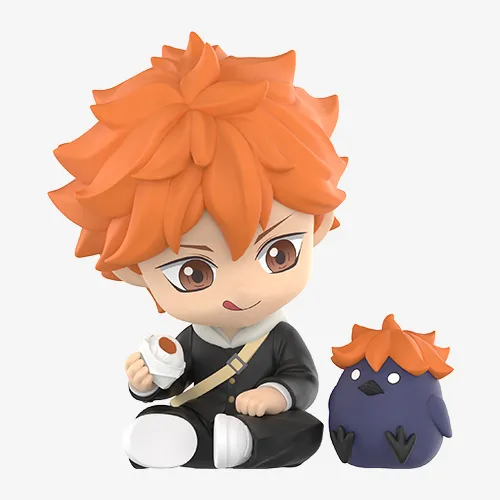 ANIME
ANIME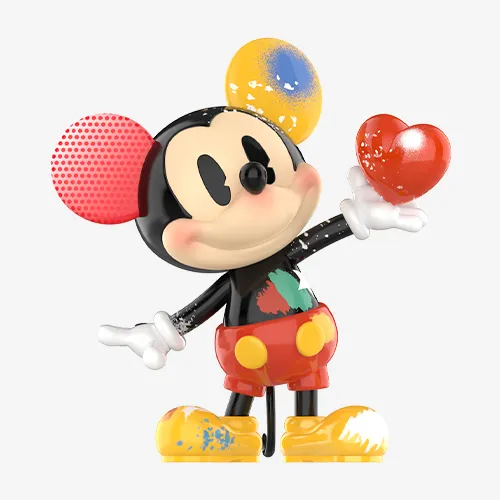 Disney
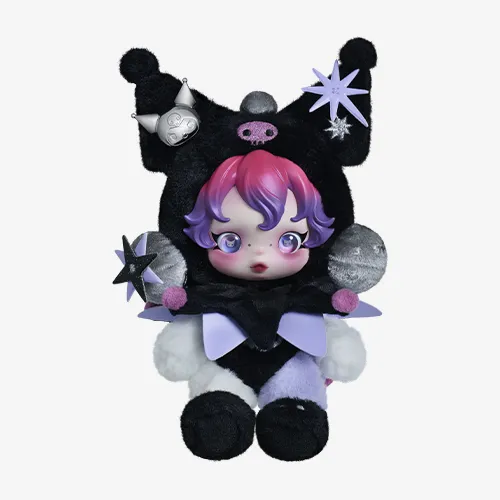 Sanrio & Kitty