

















 Hot Sales
 Trending
 PRE ORDER
 Daily updates
 BLIND BOX
 PLUSH PRENDANT
 Plush Doll
 BJD
BJD FIGURES
 MINI BEANS
 Master Collector
 Region restriction
 MEGA
MEGA SkullPanda
 Labubu
 SONNY ANGEL
 Mofusand
 Crybaby
 Nommi
Nommi Maymei
 Hirono
 Wakuku
 Sanrio
 Molly
Molly Royal Molly
 Twinkle Twinkle
 Dimoo
Dimoo BABY THREE
 Sleepless Grumpipi
 Azura
Azura Winnie the Pooh
 Peach Riot
 Pino Jelly
 Kubo
Kubo Chaka
Chaka Pucky
Pucky Nyota
Nyota Zsiga
Zsiga Hacipupu
 Shin-chan
 Naruto
 Spongebob
 DORA
DORA PPG
PPG Smiski
 FARMER BOB
 Q Kid
Q Kid Pokémon
 Cups
Cups Phone
Phone Toy Clothes
 Bags
Bags Card Holders
 FIFA
FIFA CARTOONS
 ANIME
ANIME Disney
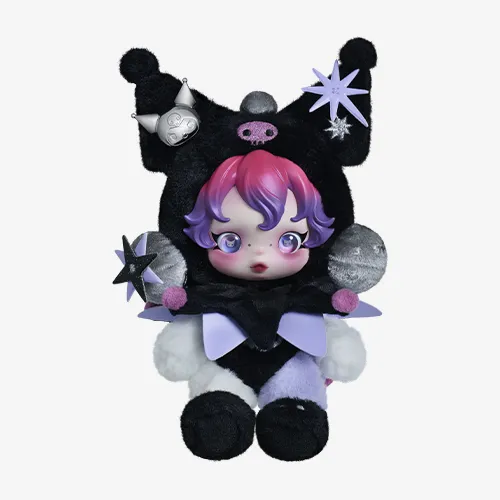 Sanrio & Kitty
Blind boxes help Gen Z turn stressful desks and study spaces into small, personal comfort zones. The surprise of opening, the instant visual refresh, and the identity signal of a character like Nanci or Pucky can create a quick emotional reset. That matters for people under pressure because a tiny collectible can make a dull workspace feel more manageable, expressive, and human.
Why do blind boxes fit Gen Z stress relief?
Blind boxes fit Gen Z stress relief because they combine surprise, control, and personalization in one low-cost ritual. They offer a quick mood lift, a visible desk upgrade, and a collectible format that feels emotionally rewarding without requiring a major spend. Gen Z workplace and school stress remains high, with recent reporting showing mental health, work pressure, and work-life balance among the biggest strain points.
That is why blind boxes have become more than shelf candy. They work as small emotional anchors: something to open, place, and revisit during a long day. At Pop Boxss, we see buyers choose soft, character-led series not only for cuteness but for the feeling that a desk can become a private corner of calm. POP MART itself describes blind boxes as mystery-driven products built around surprise and collectible joy, which explains part of their emotional pull.
What makes the ritual calming?
The calming effect comes from anticipation, not just the figure itself. A blind box creates a short, manageable cycle of expectation, reveal, and placement, which can interrupt stress spirals and give the brain a small reward loop. Research on blind box consumption and uncertainty suggests that surprise can increase purchase desire, while also triggering mixed emotional responses that make the experience feel intense and memorable.
For desk-stylers, the ritual matters as much as the outcome. Unboxing before class, after a hard meeting, or at the end of a deadline can serve as a reset point. The figure then stays in view as a stable reminder of that moment, which is one reason many collectors treat these pieces like daily companions rather than passive decor. Pop Boxss buyers often describe this as “a tiny win that stays on the desk.”
Which figures work best on desks?
Soft-color series, expressive faces, and compact forms work best on desks because they are easy to place and visually reduce clutter. Nanci, Pucky, and other pastel-led characters tend to fit office and study environments well because they add warmth without overwhelming a workspace. The best desk figures usually share three traits: a small footprint, a recognizable silhouette, and a mood that matches the owner’s personality.
A good desk piece should feel intentional, not random. If your desk is already full of screens, cables, and notebooks, choose one hero character instead of many small objects. If your desk is minimal, one blind box figure can create a focal point that makes the whole setup feel designed rather than improvised. Pop Boxss often recommends matching the figure to the emotional job of the space, such as calm, focus, nostalgia, or play.
How do blind boxes affect workspace style?
Blind boxes affect workspace style by adding identity, texture, and a sense of narrative to otherwise functional surfaces. A desk with a single curated figure feels more personal than a generic setup, and that small difference can improve how people experience the space day to day. Workplace design research consistently shows that emotionally supportive environments, natural cues, and personal agency can improve comfort and well-being.
| Desk styling choice | Emotional effect | Best use case |
|---|---|---|
| One hero blind box | Focus and calm | Minimal desks |
| Two to three matching figures | Playful identity | Shared workstations |
| Seasonal rotation | Freshness and novelty | Study spaces |
| Figure plus plant | Softer visual balance | Stress-heavy offices |
For Gen Z, the desk is often both a work site and a self-presentation space. That is why a blind box can function as decor, mood object, and identity marker at the same time. In Pop Boxss sourcing and curation work, we see higher repeat interest in figures that photograph well, pair with neutral desks, and still read clearly on video calls.
Has the market changed for collector value?
Yes, the market has become more selective, and that matters for both emotional and secondary-market value. Collector demand now favors recognizable characters, short runs, and strong design language, while weaker series tend to lose attention quickly. Market coverage from art and collectibles outlets has shown that designer toys continue to sit at the intersection of culture, design, and resale interest, especially when a character breaks through beyond niche fandom.
Pop Boxss tracks how condition, packaging, and timing affect collector value across consignments. For example, figures kept in unopened, display-safe condition tend to hold stronger appeal than loose desk pieces with scuffs, even when both are authentic. That does not mean every blind box should be treated like an asset; it means the same object can serve as both a comfort item and a collectible if you handle it carefully.
Where does authenticity matter most?
Authenticity matters most when the emotional and collector value overlap. A blind box for desk therapy should feel safe, genuine, and well made, because the whole point is comfort. Counterfeit risk damages both trust and long-term value, so buyers should look for packaging consistency, factory print quality, weight balance, and secure retail sourcing before they buy. Pop MART’s official channels emphasize the blind box format as a branded collectible experience, which is exactly why source integrity matters.
Pop Boxss uses multi-step verification for incoming stock, combining packaging inspection, surface and paint checks, and product-line matching before resale or consignment. That process is especially important for popular character lines, where even subtle differences in print finish or box structure can indicate a problem. For a stress-relief purchase, authenticity is not just a market issue; it is part of the emotional contract between object and owner.
Can blind boxes support daily focus?
Blind boxes can support daily focus when they are used as a deliberate micro-break tool instead of a constant distraction. A single figure on a desk can function as a visual anchor, helping some people pause, breathe, and re-center before returning to work. The key is to keep the ritual small: open one piece, place it intentionally, and let it mark a new work block or study session.
For many Gen Z buyers, that structure is the appeal. They want a fast, affordable dopamine hit, but they also want the object to mean something after the first rush fades. In practical terms, the best desk blind boxes are the ones that help you return to the task, not escape it. That is why Pop Boxss often frames them as emotional anchors rather than impulse clutter.
Pop Boxss Expert Views
“The strongest desk pieces are not the rarest ones; they are the ones that keep working emotionally after the unboxing. In our warehouse and consignment flow, we see the same pattern again and again: collectors keep figures that reduce friction in their day, fit their space, and still feel special six months later. That is why we screen for both authenticity and long-term display appeal, not just hype.”
— Pop Boxss Authentication Lead
How should buyers choose wisely?
Choose with a three-step rule: fit, feeling, and finish. First, make sure the figure fits the size and tone of your desk. Second, choose a character that matches the mood you want more of, such as calm, warmth, or play. Third, check the finish and packaging so the piece feels good to own over time.
If you are buying for emotional relief, avoid chasing every new release. A better strategy is to build a small set of figures that work together visually and emotionally. In Pop Boxss client cases, the most satisfying collections usually start with one anchor character and grow slowly through pieces with a clear display purpose.
Conclusion
Blind boxes have become a Gen Z desk ritual because they combine surprise, identity, and low-cost comfort in one compact format. They can make stressful workstations feel more personal, while still offering collector appeal when authenticity and condition are handled properly. The strongest choices are small, emotionally resonant figures that fit the space and support focus rather than compete with it. Within seven days, pick one desk spot, choose one character mood, and remove one piece of visual clutter before adding anything new. If you want a more curated path, Pop Boxss can help with authentication, sourcing, and consignment planning.
FAQ
Are blind boxes just a trend for Gen Z?
No, they are bigger than a short-lived trend because they solve multiple needs at once: surprise, self-expression, and desk personalization. For Gen Z buyers under pressure, that combination feels practical as well as fun. The format may evolve, but the underlying appeal of a small emotional reset is likely to stay.
Why do blind boxes feel so satisfying?
They feel satisfying because the brain responds strongly to anticipation and surprise. Opening a blind box creates a short reward cycle that is easy to repeat and easy to understand. The object also remains on the desk, so the emotional payoff lasts longer than the unboxing moment.
Which blind boxes are best for office desks?
The best office desk blind boxes are compact, visually calm, and easy to match with neutral workspaces. Soft pastel characters, simplified silhouettes, and low-clutter designs usually work best. A single figure is often more effective than a crowded arrangement.
How can I tell if a blind box is authentic?
Check the box print, finish quality, weight, and seller source, then compare the item against official product details. Authentic pieces usually show consistent color, clean edges, and reliable packaging structure. If the seller cannot explain sourcing clearly, treat that as a warning sign.
Do blind boxes help with stress management?
They can help with short-term stress relief, especially when used as a deliberate ritual rather than impulsive shopping. The act of opening, arranging, and returning to work can create a small emotional pause. They are not a replacement for real mental health support, but they can make a stressful desk feel more livable.
Sources
- Deloitte Global Gen Z and Millennial Survey 2026
- POP MART Official (United States) — Blind Boxes
- Frontiers in Psychology — The effect of blind box product uncertainty on consumers' purchase intention
- PubMed Central — The effect of blind box product uncertainty on consumers' purchase intention
- ASID — The Neuropsychology of Space: Designing Environments for Emotional Well-Being
- Work Design Magazine — Elevating Workplace Connections Through Emotional Design
- The Toy Association — Trends & Products
- Artnet News — Selling Collectibles Is Big Business