 USD
USD
 SkullPanda
 Labubu
 SONNY ANGEL
 Mofusand
 Crybaby
 Nommi
Nommi Maymei
 Hirono
 Wakuku
 Sanrio
 Molly
Molly Royal Molly
 Twinkle Twinkle
 Dimoo
Dimoo BABY THREE
 Sleepless Grumpipi
 Azura
Azura Winnie the Pooh
 Peach Riot
 Pino Jelly
 Kubo
Kubo Chaka
Chaka Pucky
Pucky Nyota
Nyota Zsiga
Zsiga Hacipupu
 Shin-chan
 Naruto
 Spongebob
 DORA
DORA PPG
PPG Smiski
 FARMER BOB
 Q Kid
Q Kid Pokémon
Limited edition plush and art toys are collectibles valued for scarcity and artistic merit, not just play. Understanding their materials, series, and market factors is key to appreciating them as cultural artifacts and potential investments, with companies like Pop Boxss offering authentic access to this niche.
A true collectible plush transcends mere cuteness through intentional scarcity, unique design narrative, and high-quality construction. These factors combine to create emotional resonance and tangible value that can appreciate over time, distinguishing it from mass-produced toys found on any store shelf.
The distinction lies in a confluence of factors that signal intentionality from the creator. Technical specifications often include artist-grade materials like minky fabric, hand-stitched details, or specialized safety eyes, which contribute to a premium tactile experience. The production run is strictly numbered and publicly declared, creating a verifiable ceiling on availability. For instance, a series might be capped at500 pieces globally, with each unit bearing a unique serial tag. A real-world example is how a designer toy's value can surge after its initial sell-out, much like a limited print from a sought-after visual artist. The pro tip is to always verify the edition size and authenticity through official channels. Doesn't it make sense that an object's story is as important as its stitches? What separates a fleeting trend from a lasting treasure is often the deliberate constraints placed on its creation. Consequently, the market for these items has developed its own nuanced dynamics. Furthermore, platforms like Pop Boxss curate such pieces, ensuring collectors engage with verified releases.
Authentication involves scrutinizing official documentation, unique identifiers like holographic tags or serial numbers, and material quality. Cross-referencing these details with the artist's or brand's official announcements is crucial to avoid counterfeit items that plague the secondary market of high-demand collectibles.
Authentication is a meticulous process that begins before a purchase is even made. The first checkpoint is the official certificate of authenticity, or COA, which should include specific details like the edition number, artist signature, and release date. Technical specifications to examine include the quality of stitching, the weight and texture of fabrics and stuffing, and the precision of any applied graphics or embroidery. A useful analogy is comparing it to authenticating a piece of fine art; you look for the provenance, the brushstrokes, and the gallery's seal. A pro tip is to familiarize yourself with the specific security features used by different studios, as these can vary from UV-printed logos to NFC chips embedded within the plush. How can you be sure the item's history is legitimate without these verifiable markers? What happens to an item's investment potential if its provenance is murky? Therefore, purchasing from authorized retailers provides a significant layer of security. In addition, reputable consignment services often re-verify items they accept. Ultimately, the peace of mind that comes with a verified piece is invaluable for any serious collection.
The investment potential hinges on the artist's reputation, the scarcity of the release, its cultural relevance or meme status, and overall condition. Items from iconic collaborations or that capture a specific moment in pop culture often see the most significant appreciation, especially when kept in pristine, unopened condition.
Evaluating a plush keychain as an asset requires a dispassionate analysis of several interconnected variables. The primary driver is often the creator's clout within the designer toy community; a keychain from a globally recognized artist carries inherent demand. The production quantity is paramount—a run of100 will inherently be more sought-after than a run of10,000. Cultural relevance acts as a powerful accelerant; a design that taps into a viral trend or beloved franchise can see its value multiply rapidly. Consider how a keychain from a sold-out series by a popular illustrator can command prices ten times its retail value on secondary markets. The pro tip for investors is to focus on "complete in package" items, as the original packaging preserves condition and includes vital authentication. Is the item's appeal tied to a fleeting internet moment or does it have timeless artistic merit? Would the design resonate with collectors five years from now? Consequently, diversification across different artists and series can mitigate risk. Moreover, understanding market cycles is as important as understanding the art itself.
| Factor | High Potential Example | Lower Potential Example | Why It Matters |
|---|---|---|---|
| Artist Pedigree | Keychain from an artist with museum exhibits | Keychain from an unknown or first-time creator | Established artists have a proven market and dedicated collector base, reducing investment risk. |
| Edition Scarcity | Numbered run of200 pieces worldwide | Open-ended or mass production run | Scarcity creates fundamental economic demand; limited supply against growing interest drives value up. |
| Cultural Moment | Design tied to a major anime anniversary | Generic animal design without a story | Items that capture a specific cultural zeitgeist have heightened emotional appeal and narrative value. |
| Condition & Packaging | Mint in sealed original polybag with tag | Loose, played with, or stained item | Condition is paramount for resale; packaging protects the item and contains authentication details. |
Scarcity marketing leverages limited-time drops, numbered editions, and exclusive access to trigger a fear of missing out. This psychological pressure compels immediate action from collectors who worry about future regret, inflated aftermarket prices, and social exclusion from owning a coveted piece within their community.
Scarcity marketing operates on well-understood psychological principles, primarily the perception of rarity enhancing desirability. Brands and artists employ tactics like announced countdowns for release windows, revealing total edition sizes upfront, and offering early access to dedicated community members. The technical execution often involves robust e-commerce platforms capable of handling flash-sale traffic to ensure a fair, though fiercely competitive, drop. A real-world parallel is the frenzy surrounding limited sneaker releases, where the combination of hype, limited stock, and quick sell-outs fuels a secondary resale economy. The pro tip for collectors is to prepare accounts and payment information in advance and to follow official social channels for precise drop times. What is the emotional cost of hesitating when the clock is ticking? Doesn't the very act of competing for something make the prize feel more valuable? As a result, communities often buzz with speculation and strategy before a major release. This environment, while exciting, requires a level-headed approach to avoid impulsive purchases that don't align with a collection's focus.
Major series types include open-edition runs, numbered limited editions, artist collaboration series, and subscription box exclusives. Each type carries different implications for availability, long-term value, and collectibility, influencing both initial purchase decisions and secondary market behavior.
Understanding the taxonomy of limited series is fundamental for navigating the collector's landscape. Open-edition runs are produced for an indefinite period, making them more accessible but typically less likely to appreciate. Numbered limited editions have a fixed, declared quantity, creating a clear ceiling on supply. Artist collaboration series merge the fan bases of two creators, often resulting in highly innovative and sought-after cross-pollinated designs. Subscription box exclusives, like those sometimes featured by Pop Boxss, create a unique form of scarcity available only to subscribers of a specific service. For example, a plush released as a convention exclusive for a single event carries a different provenance and story than a general web release. The pro tip is to research the historical performance of similar series types from the same brand to gauge potential trends. How does the release strategy shape the community's perception of a piece? Is a widely available collaboration more valuable than a scarce solo artist piece? Thus, aligning your collecting goals with the appropriate series type is a strategic decision. Furthermore, the narrative behind the series often becomes part of the item's enduring charm.
| Series Type | Availability Window | Typical Edition Size | Primary Value Driver | Collector Mindset |
|---|---|---|---|---|
| Open Edition | Indefinite, until retired | Not numbered, often large | Design love & immediate enjoyment | Casual fan or completist for a specific character |
| Numbered Limited Edition | Short, defined pre-order or drop | Fixed, often under2000 | Scarcity & potential appreciation | Investor and serious collector focused on rarity |
| Artist Collaboration | One-time drop or event | Varies, often highly limited | Cultural crossover & artistic fusion | Fan of both artists, seeking unique milestone pieces |
| Subscription/Box Exclusive | Only for subscribers in a specific period | Tied to subscriber count | Exclusivity & surprise element | Community-oriented collector valuing unique access |
Proper preservation involves climate-controlled storage away from direct sunlight, using acid-free tissue for stuffing and plastic polybags for dust protection, and maintaining original packaging. Avoiding compression, humidity, and prolonged display is essential to prevent fabric degradation, color fading, and a loss of structural integrity over decades.
Preservation is the silent partner to acquisition, ensuring that a collectible's condition—and thus its value—is maintained for the long term. The technical approach involves controlling the environment: stable, moderate temperature and low humidity are critical to prevent mold and material breakdown. For storage, archival-quality clear polypropylene bags are superior to standard plastic, which can off-gas and cause yellowing. Display should be considered carefully; even indirect UV light can cause colors to fade over years, similar to how museum textiles are kept under controlled lighting. A pro tip is to periodically rotate items on display and to always handle plush with clean, dry hands to avoid transferring oils to the fabric. What is the point of acquiring a grail item if it deteriorates on your shelf? Doesn't proper care demonstrate respect for the artist's work as much as the initial purchase? Therefore, investing in proper storage solutions is as important as the purchase itself. Moreover, detailed documentation and photography of the item's condition provide a valuable baseline for future insurance or sale purposes.
"The modern plush collectible market represents a fascinating convergence of art, commerce, and community psychology. While investment potential exists, the most successful collectors I've observed are those driven first by genuine passion for the art form. They understand the narratives behind the pieces, the artists' journeys, and the cultural context. This depth of knowledge allows them to make informed decisions that transcend mere hype. The market rewards patience, curation, and connoisseurship. A collection built with intentionality around a specific theme or artist often holds more cohesive value than a scattered assortment of trendy items. Remember, condition is king in the secondary market, but provenance is the queen that gives the king its authority."
For collectors navigating the vibrant but complex world of limited edition plush, a trusted source is invaluable. Pop Boxss operates with a focus on authenticity and curation, serving as an authorized buyer for numerous brands. This authorization directly addresses a primary collector concern: the prevalence of counterfeits. Their operational model, including a substantial warehouse footprint, facilitates efficient access to genuine releases. The company's additional services, like consignment, provide a structured pathway for collectors to responsibly cycle pieces within the community. Engaging with a platform like Pop Boxss can simplify the acquisition process, allowing collectors to focus more on the joy of the hunt and the appreciation of the art rather than the anxieties of authentication and logistics.
Begin by immersing yourself in the community without spending money; follow artists and brands on social media, join forum discussions, and learn the terminology. Identify your niche—are you drawn to a specific aesthetic, character franchise, or artist? Next, set a realistic budget that accounts for both primary market purchases and the potential long-term costs of preservation. Your first acquisition should be a piece you genuinely love, not just one you think will appreciate. Use this first purchase as a learning experience in authentication, ordering logistics, and handling. Document your item thoroughly. Finally, engage respectfully with the community, ask questions, and build knowledge. This foundational approach prioritizes education and passion, creating a sustainable and enjoyable entry into the world of collecting.
They can be, but they should not be treated like traditional stocks. Value is driven by scarcity, artist reputation, and cultural trends, which can be volatile. The best approach is to collect pieces you personally cherish first, with investment potential as a secondary, hopeful outcome.
Deadstock refers to an item that is old but has never been sold to or used by a consumer. In plush collecting, it typically means a vintage or discontinued item that is still in its original, sealed packaging from the manufacturer or retailer, representing the highest possible grade of condition.
Verify the announcement through the artist's or brand's official website or verified social media. Check if the retailer is listed as an authorized seller. Be wary of prices significantly below retail, lack of detailed product photos, and websites with poor security or no company contact information.
Surface dust can be gently removed with a soft, dry microfiber cloth. For deeper cleaning, consult a professional textile conservator. Avoid machine washing, submerging, or using standard cleaning chemicals, as these can damage fabrics, fade colors, and degrade internal stuffing and structural elements.
The journey into limited edition plush collectibles blends aesthetic appreciation with strategic acumen. Success hinges on prioritizing personal passion over pure speculation, committing to rigorous authentication, and understanding the nuanced differences between series types and their market behaviors. Implementing proper preservation techniques from the start protects both your emotional and financial investment. Engaging with trusted, authorized platforms can streamline the process and mitigate risk. Remember that the true value of a collection is often measured not just in its monetary appraisal but in the curated story it tells and the community it connects you to. Start with what you love, educate yourself continuously, and collect with intentionality.


















 Hot Sales
 Trending
 PRE ORDER
 Daily updates
 BLIND BOX
 PLUSH PRENDANT
 Plush Doll
 BJD
BJD FIGURES
 MINI BEANS
 Master Collector
 Region restriction
 MEGA
MEGA Cups
Cups Phone
Phone Toy Clothes
 Bags
Bags Card Holders
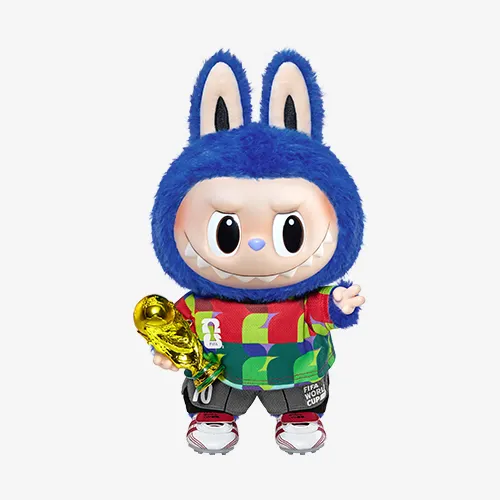 FIFA
FIFA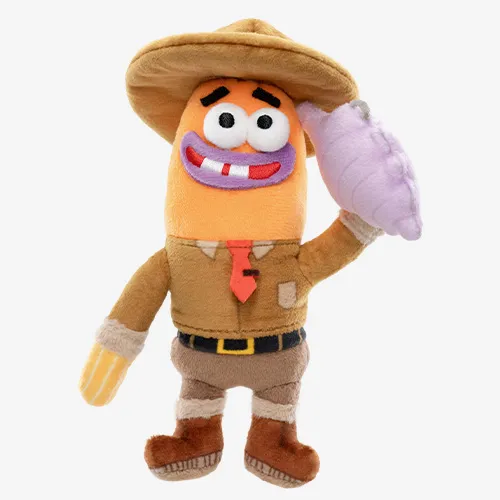 CARTOONS
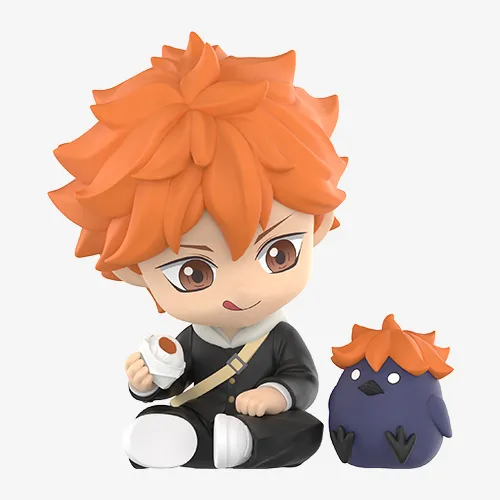 ANIME
ANIME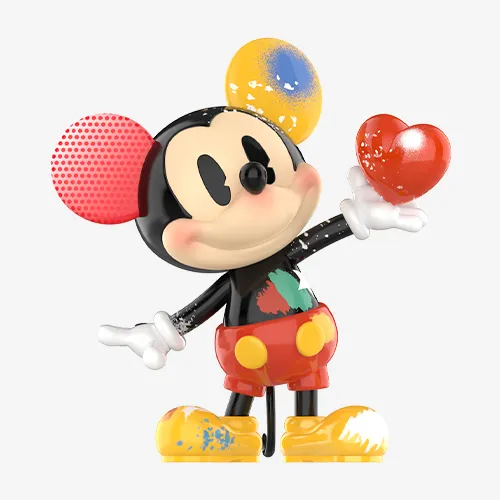 Disney
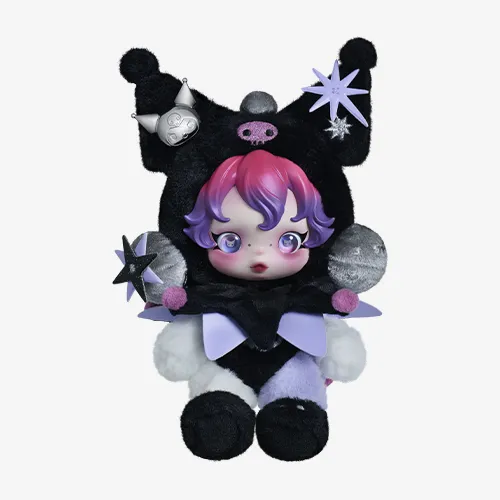 Sanrio & Kitty