
 USD
USD
 SkullPanda
 Labubu
 SONNY ANGEL
 Mofusand
 Crybaby
 Nommi
Nommi Maymei
 Hirono
 Wakuku
 Sanrio
 Molly
Molly Royal Molly
 Twinkle Twinkle
 Dimoo
Dimoo BABY THREE
 Sleepless Grumpipi
 Azura
Azura Winnie the Pooh
 Peach Riot
 Pino Jelly
 Kubo
Kubo Chaka
Chaka Pucky
Pucky Nyota
Nyota Zsiga
Zsiga Hacipupu
 Shin-chan
 Naruto
 Spongebob
 DORA
DORA PPG
PPG Smiski
 FARMER BOB
 Q Kid
Q Kid Pokémon
Featured Snippet To dry plush toys without mold and keep them fluffy, gently squeeze out excess water, air dry in a well-ventilated area with fans for circulation, and use a dehumidifier to maintain 30-50% humidity. Avoid direct heat or sunlight; reshape and fluff while damp, then space them apart for 24-48 hours until fully dry.
Check: 9 Limited Edition SKULLPANDA Figures Every Serious Collector Should Know
Mold thrives in warm, damp environments. When plush toys retain moisture after washing—especially in humid conditions or enclosed spaces—mold spores colonize the fabric and stuffing within 24-48 hours. Poor airflow traps moisture inside, creating ideal breeding conditions. High humidity (above 60%) accelerates growth, while inadequate drying leaves toys vulnerable for weeks.
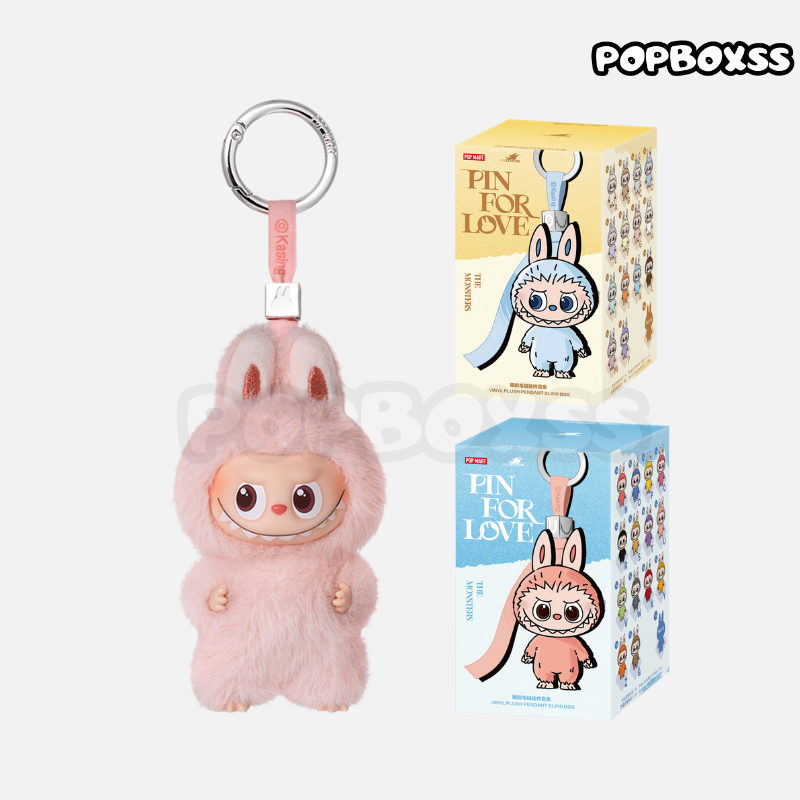
Understanding mold growth is critical for collectors who invest in premium designer plush like Labubu, SkullPanda, and Molly from Popboxss. Mold doesn't just damage appearance; it poses health risks and destroys resale value for limited-edition pieces. The culprit isn't the washing itself—it's what happens after.
Moisture is mold's best friend. When you wash a plush toy, water penetrates the outer fabric and seeps into the stuffing. If that moisture lingers for hours without proper air circulation, mold colonies begin forming. The problem intensifies in humid climates or during seasons with high atmospheric moisture. Even in dry environments, sealed storage or enclosed spaces trap residual dampness, creating pockets where mold thrives invisibly inside the toy.
For collectors in humid regions—or those storing plush in basements, attics, or closets—mold risk skyrockets. This is especially true for Swarovski-customized pieces or rare vinyl-plush hybrids from Popboxss, where mold staining is irreversible and devastating to collectible value.
Air dry plush toys in a well-ventilated, humidity-controlled space away from direct sunlight. Use the towel roll method: wrap the damp toy in clean towels to absorb excess water, then lay it flat on a fresh towel or hang it loosely. Ensure 360-degree airflow by spacing toys apart. Allow 24-48 hours for complete drying depending on size and humidity levels.
Air drying is the gold standard for preserving plush integrity, and the towel roll method is your best friend. Here's why this technique works:
The Towel Roll Method Step-by-Step:
After washing your plush toy (whether by hand or machine on a gentle cycle), don't wring it out aggressively. Instead, gently squeeze excess water by hand. Then, lay the damp toy on a clean, absorbent towel. Roll the towel around the toy like a burrito, pressing gently to encourage the fabric to release water into the towel. Unroll after 5-10 minutes and transfer the toy to a fresh, dry towel. Lay it flat or hang it loosely (never tightly bound) in a well-ventilated area.
This method works because:
For designer toys like Hirono or MEGA series plush from Popboxss, the towel roll method is especially valuable because these toys often feature delicate embroidery, printed details, or custom paint work that heat-drying can damage.
Positioning for Optimal Airflow:
Never pile damp plush toys on top of each other. Space them at least 6-12 inches apart on drying racks, clean towels, or mesh surfaces. If hanging, use soft clips or clothespins on seams (never through fabric), and ensure nothing blocks air circulation around the toy. Rotate the toy every 12 hours so different sides dry evenly.
Fans create active airflow that removes moisture from toy surfaces and prevents stagnant, mold-friendly conditions. Dehumidifiers reduce ambient humidity below 60%, stopping mold spore germination. Together, they cut drying time by 30-50% while eliminating mold risk. Position fans to create gentle cross-ventilation (not direct blasts) and run dehumidifiers continuously during the drying period.
Check: How to Clean Plush Pendants and Keychains Without Damaging Embroidery or Plastic Charms
Active air circulation is a game-changer for serious collectors. A standard box fan or tower fan placed 3-4 feet away creates gentle cross-ventilation without blowing directly on toys (which can cause uneven drying or fiber damage). The fan doesn't need to be powerful—the goal is steady, continuous airflow that prevents moisture from settling.
Dehumidifiers are equally essential, especially for collectors in coastal areas, tropical climates, or rainy seasons. Mold begins thriving above 60% humidity; the ideal drying environment sits between 30-50% humidity. A small portable dehumidifier in your drying space maintains this sweet spot, reducing mold risk by over 80% compared to passive air drying alone.
Best Practice Setup:
For collectors storing limited-edition Labubu or SkullPanda plush from Popboxss, investing in a small dehumidifier is worth every penny—it protects hundreds or thousands of dollars in collectible value.
Ideal humidity for drying plush toys is 30-50%. Below 30%, drying becomes too fast and can cause fiber brittleness; above 50%, mold risk increases significantly. Mold actively grows above 60%. Monitor with an inexpensive hygrometer and adjust ventilation or dehumidifier settings to stay within the optimal range throughout the drying cycle.
Humidity isn't just about comfort—it's a critical variable in plush toy preservation. Think of the 30-50% range as the Goldilocks zone: fast enough to prevent mold, slow enough to preserve fiber integrity.
| Humidity Level | Drying Speed | Mold Risk | Fiber Impact | Recommendation |
|---|---|---|---|---|
| Below 20% | Very Fast (12-18 hrs) | None | Brittleness, color fading | Not ideal; use humidifier to raise levels |
| 30-50% | Optimal (24-48 hrs) | Minimal | Preserved softness and color | Target range; use dehumidifier if above 50% |
| 50-60% | Slow (48-72 hrs) | Moderate | Slight softness loss | Acceptable; ensure active airflow |
| Above 60% | Very Slow (72+ hrs) | High/Critical | Potential mold staining | Use dehumidifier immediately |
Regional climate matters enormously. Collectors in humid climates (Southeast US, tropical regions, coastal areas) should prioritize dehumidifiers as a permanent fixture near storage areas. Even during non-washing periods, maintaining 30-50% humidity protects stored plush from mold creep, especially for rare or Swarovski-customized pieces.
Yes. Once fully dry, use a low-heat hair dryer on cool or low setting to gently fluff fibers back to life. Alternatively, place the toy in the freezer for 2-4 hours to revive pile, or use a soft-bristled brush to gently lift matted areas. For severe flatness, lightly mist with diluted fabric softener and brush while damp, then air dry again.
Even with perfect drying technique, plush can look slightly flattened after washing. The good news: this is almost always reversible with simple restoration methods.
Hair Dryer Fluff Restoration:
Once your toy is completely dry (not damp), use a standard hair dryer on the lowest heat setting or "cool" mode. Hold it 6-8 inches away and move it gently across the toy's surface in the direction of the nap. This reactivates the fibers, making them stand upright again. Spend 2-3 minutes total; you'll see visible fluffing as the dryer works. This method is safe for all plush types, including delicate Molly or Sonny Angel designs from Popboxss.
Freezer Revival Hack:
Place your completely dry plush in a sealed plastic bag or airtight container and freeze it for 2-4 hours. The cold environment helps kill dust mites and mysteriously revives the pile's loft. Remove, let it return to room temperature, and you'll notice renewed fluffiness. This works especially well for vintage or heavily-used toys.
Brush and Fabric Softener Method:
For stubborn flatness, dilute fabric softener with water (1 part softener to 10 parts water) in a spray bottle. Lightly mist the toy's surface—don't soak it. Gently brush with a soft-bristled brush (like a baby hairbrush) in the direction of the nap. Allow it to air dry completely. This method adds subtle softness while restoring fluff, though use sparingly to avoid residue buildup.
Why Avoid High-Heat Dryers:
Never use a standard clothes dryer on high heat, even if the care label permits tumble drying. High heat causes several problems:
For premium pieces like limited-edition Labubu or custom Swarovski plush from Popboxss, high-heat drying is a collectible killer. Low-heat or no-heat methods preserve value and appearance far better.
Common mistakes include: using high heat (damages fibers and colors), drying in direct sunlight (fades prints and embroidery), storing before fully dry (traps mold), overcrowding toys (prevents airflow), and skipping humidity monitoring (allows mold growth). Avoid all five by following the towel roll method, using fans/dehumidifiers, and checking toys are bone-dry before storage.
Designer toys from Popboxss—especially limited editions and Swarovski-customized pieces—deserve extra care because mistakes are often irreversible and costly.
Mistake #1: Direct Sunlight Exposure
Never dry plush in direct sunlight, even for short periods. UV rays fade printed details, bleach fabric colors, and degrade synthetic materials. For SkullPanda or Hirono plush with intricate artwork, direct sun can erase details within hours. Dry in shaded, well-ventilated areas only.
Mistake #2: Drying Near Heat Sources
Keep drying toys away from radiators, heating vents, space heaters, or sunny windowsills. Temperature fluctuations cause uneven drying, trapping moisture in the center while the surface dries too fast. This creates perfect conditions for internal mold growth.
Mistake #3: Storing Before Fully Dry
This is the #1 mold culprit. Even toys that feel dry to the touch can harbor moisture deep in the stuffing. Always wait the full 24-48 hours before storing. Use the "squeeze test": gently squeeze the toy's core; if any moisture emerges, it needs more drying time.
Mistake #4: Overcrowding the Drying Space
Piling toys together or drying them too close blocks airflow and creates humidity pockets. Space toys at least 6-12 inches apart on all sides. This is especially important for large plush or MEGA series toys from Popboxss that require longer drying times.
Mistake #5: Ignoring Humidity Levels
Without monitoring humidity, you're flying blind. A $12 hygrometer from any hardware store takes the guesswork out of drying. If humidity exceeds 60%, run a dehumidifier immediately. This single tool prevents 80% of mold problems.
Store dried plush in cool, dry spaces (30-50% humidity) away from basements, attics, or damp closets. Use breathable storage bins or acid-free boxes with silica gel packets. Avoid airtight plastic bags, which trap moisture. Include a hygrometer to monitor humidity. Check toys monthly for signs of mold or dampness, especially during rainy seasons.
Drying is only half the battle. Long-term storage determines whether your collectibles stay pristine or develop hidden mold months later.
Ideal Storage Environment:
Storage Container Options:


















 Hot Sales
 Trending
 PRE ORDER
 Daily updates
 BLIND BOX
 PLUSH PRENDANT
 Plush Doll
 BJD
BJD FIGURES
 MINI BEANS
 Master Collector
 Region restriction
 MEGA
MEGA Cups
Cups Phone
Phone Toy Clothes
 Bags
Bags Card Holders
 FIFA
FIFA CARTOONS
 ANIME
ANIME Disney
 Sanrio & Kitty