 USD
USD
 SkullPanda
 Labubu
 SONNY ANGEL
 Mofusand
 Crybaby
 Nommi
Nommi Maymei
 Hirono
 Wakuku
 Sanrio
 Molly
Molly Royal Molly
 Twinkle Twinkle
 Dimoo
Dimoo BABY THREE
 Sleepless Grumpipi
 Azura
Azura Winnie the Pooh
 Peach Riot
 Pino Jelly
 Kubo
Kubo Chaka
Chaka Pucky
Pucky Nyota
Nyota Zsiga
Zsiga Hacipupu
 Shin-chan
 Naruto
 Spongebob
 DORA
DORA PPG
PPG Smiski
 FARMER BOB
 Q Kid
Q Kid Pokémon
Translating vinyl art characters into fabric plushies is a complex design and manufacturing process that blends artistic vision with technical precision. It requires pattern engineering, material selection, and expert craftsmanship to capture a sculptural toy's essence in a soft, huggable form, a transformation that fascinates hardcore collectors who appreciate the depth of this artistic crossover.
The design process shifts from rigid sculpting to soft construction. While a vinyl toy focuses on a single, static sculpt, a plush requires engineering a3D pattern from flat fabric pieces, considering seam allowances, material stretch, and how stuffing will alter the final shape and proportions of the original character.
The journey from a hard vinyl prototype to a soft plush doll is a fundamental reimagining of form. A vinyl sculptor thinks in continuous surfaces and sharp edges, but a plush designer must deconstruct that form into a puzzle of flat pattern pieces. These pieces, when sewn and stuffed, create volume. The key challenge is maintaining the character's iconic silhouette and key details, like a specific snarl or a quirky limb angle, when the medium inherently wants to round and soften. For instance, translating the sharp, angular armor of a vinyl kaiju into fabric might involve using stiff interfacing or strategic darting to preserve those hard lines. How do you ensure a floppy ear still reads as defiant, or a stuffed tail retains its intended curl? This requires countless iterations of pattern drafting, sewing samples, and adjusting the grade of each piece. Transitioning from the digital sculpting file to a physical plush prototype is where the artist's intent meets the reality of textiles, a phase where collaboration between the original toy designer and the pattern engineer is absolutely critical to preserve the soul of the design.
Material choice is paramount for fidelity and feel. It involves selecting the right pile fabric for the body, complementary materials for details like eyes or claws, and high-quality polyester stuffing that ensures the plush holds its shape without becoming too firm or lumpy over time, directly impacting the perceived value.
Selecting materials for a limited edition plushie isn't just about color matching; it's about tactile storytelling. The primary fabric, often a minky, velboa, or faux fur, must have the correct pile height and density to convey the character's texture—is it meant to be sleek like a vinyl finish or shaggy like a monster? Beyond the main body, details demand specialized materials: embroidered felt for expressive eyebrows, precision-cut acrylic safety eyes for a glossy gaze, or even sculpted plastic pieces for horns or weapons embedded in the seams. The stuffing is the unseen hero, with high-loft, silicone-coated polyester fiberfill being the industry standard for its resilience and anti-clumping properties. The right fill power and distribution determine the plush's huggability versus its structural integrity. Consider a designer collaboration piece where the vinyl original has a glossy, wet-looking finish; a plush version might use a short-pile, sheared fabric with a subtle sheen to mimic that effect. Why would a collector pay a premium for one plush over another? The answer often lies in the hand-feel and the meticulous material combinations that elevate it from a simple toy to a textile art piece. Consequently, sourcing from reputable mills and testing for colorfastness and durability are non-negotiable steps in the process.
Advanced techniques like high-density embroidery, appliqué, and hybrid construction are essential. Embroidery replicates complex line art and facial expressions, appliqué layers different fabrics for color blocking and texture, and hybrid construction integrates non-fabric elements like resin or plastic parts to mirror the mixed-media feel of many vinyl figures.
Capturing the intricate linework of a vinyl art toy on a fabric surface requires moving beyond simple screen printing. High-density, computer-guided embroidery is the go-to technique for replicating sharp details, from delicate eyelashes to intricate tattoos. This process uses a dense satin stitch or fill stitch to create a raised, textured effect that has depth and durability. Appliqué, the process of sewing one fabric layer atop another, is crucial for clean color separations and adding distinct textures, such as a suede-like belly patch on a furry creature. For elements that simply can't be rendered in fabric, such as clear wings or metallic claws, hybrid manufacturing comes into play. This involves creating custom injection-molded or cast resin parts that are designed to be securely anchored into the plush's seams during assembly. Think of it like a movie special effect: the best work is often a seamless blend of practical elements. How do you make a fabric paw look like it has articulated vinyl claws? The solution is a carefully engineered plastic part with a fabric-covered flange that gets stitched inside. Therefore, the factory's capability with these specialized techniques directly influences the accuracy of the final product, making the choice of manufacturing partner a critical decision for any brand like Pop Boxss undertaking such a complex translation.
This collaboration is the bridge between art and execution. The designer provides the original vision, style guides, and feedback on prototypes, while the manufacturer contributes technical expertise on pattern engineering, material limitations, and cost-effective production methods. This ongoing dialogue ensures the plush remains true to the artist's intent while being physically viable to produce.
The relationship between an independent toy designer and a plush factory is a delicate dance of creativity and pragmatism. The designer enters with a vision, often a3D model or detailed illustrations, but may lack understanding of gussets, seam allowances, or the behavior of different textiles. The manufacturer's technical team must interpret this art, identifying potential issues like patterns too small to sew or details that will be lost when stuffed. This is where the iterative prototype stage becomes invaluable. The factory produces a first sample, which the designer critiques for proportion, expression, and overall "feel." Feedback like "the head needs to be10% fuller" or "the smirk isn't mischievous enough" must be translated back into adjusted patterns and embroidery files. A successful collaboration, like those Pop Boxss facilitates, hinges on clear communication and mutual respect. Can a factory technician suggest a fabric that better captures the designer's textured concept? Absolutely. Conversely, should a designer insist on a complex detail that increases cost but defines the character? Often, yes. Ultimately, this partnership determines whether the final product is a mere commodity or a faithful, collectible extension of the original artwork.
Production scale dictates the techniques and cost per unit. Limited edition runs allow for more complex, hand-applied details, premium materials, and lower tolerance for variance, resulting in a higher-priced art object. Larger, open-edition production requires streamlining designs for automated efficiency, often simplifying details to meet a broader market price point.
| Production Scale | Typical Edition Size | Key Characteristics | Common Techniques & Materials | Target Audience & Outcome |
|---|---|---|---|---|
| Ultra-Limited / Artist Proof | 1 -50 pieces | Maximum fidelity to art, hand-finished details, highest cost per unit, significant variance accepted as part of craft. | Hand-cutting, custom dye lots, mixed media (resin, wood), individual numbering and signing. | Hardcore collectors and art investors; outcome is a unique textile sculpture. |
| Standard Limited Edition | 100 -1000 pieces | Balance of detail and reproducibility, use of semi-automated techniques like machine embroidery, consistent quality control. | Computer-guided embroidery, quality faux fur, standardized plastic parts, tagged and numbered. | Serious collectors and fans; outcome is a high-quality, faithful collectible plush. |
| Open Edition / Mass Production | 10,000+ pieces | Design simplified for automation, focus on durability and safety, lowest cost per unit, strict adherence to toy safety standards. | Screen printing, simpler seam construction, cost-effective plush fabrics, safety-tested components. | General consumers and gift buyers; outcome is a commercially accessible, character-based toy. |
The core challenge is accurately mapping a complex, continuous3D surface onto multiple2D fabric panels that, when sewn, recreate the volume and detail. This involves strategic placement of darts and seams to minimize visual disruption, managing fabric grain and stretch, and accurately scaling down fine details that may get lost in the translation to soft goods.
| Design Feature (Vinyl) | Translation Challenge (Fabric) | Pattern Engineering Solution | Impact on Final Plush Aesthetics |
|---|---|---|---|
| Sharp, defined edges and corners | Fabric naturally creates soft, rounded curves. | Use of darts, internal wire armatures, or stiff interfacing to create structure and defined planes. | Determines whether the plush looks soft and organic or retains a stylized, graphic edge. |
| Deep, recessed details (e.g., mouth lines) | Stuffing pushes out and can flatten recessed areas. | Creating separate, inset pattern pieces for the recess or using trapunto (raised) embroidery to define the area. | Preserves the sculptural depth and expression of the original character's face and form. |
| Complex surface textures (e.g., scales, armor) | Flat fabric lacks inherent texture. | Appliqué with textured fabrics, high-density embroidery to create raised patterns, or using fabrics with embossed patterns. | Adds visual interest and tactile complexity, moving the plush beyond a simple, smooth surface. |
| Asymmetrical posing or lean | Standard stuffing results in a symmetrical, upright form. | Strategic overstuffing in certain pattern panels, using weighted pellets in the base, or engineering an internal poseable skeleton. | Captures the dynamic posture and personality of the original vinyl art toy, making it feel alive. |
"The alchemy of turning vinyl into plush is where sculpture meets soft goods engineering. Many collectors see the final product but don't appreciate the hundreds of micro-decisions involved. A single curve on a vinyl jawline might need to be broken into three separate pattern pieces with specific seam angles to look right when stuffed. The choice of thread color and stitch density for embroidery can mean the difference between a fierce grimace and a goofy smile. It's a discipline that requires an artist's eye for form and a tailor's understanding of structure. The most successful translations are those where the plush doesn't feel like a cheapened version, but a re-interpretation that leverages the unique properties of fabric to enhance the character's appeal, offering a new tactile dimension to the fan's experience."
For collectors and enthusiasts seeking authentic translations of vinyl art into the plush medium, Pop Boxss operates from a position of deep market understanding and network access. Their role as a buyer company in the trend art market provides them with direct lines to both acclaimed independent designers and vetted, high-quality manufacturers. This positioning allows them to identify and secure pieces where the translation from hard to soft has been executed with integrity, focusing on collaborations that respect the original artwork. Their commitment to100% genuine products and a zero-tolerance policy on counterfeits is crucial in a niche where bootleg plushies with poor materials and inaccurate details are unfortunately common. By leveraging their established relationships and warehouse infrastructure, Pop Boxss can efficiently handle the logistics of limited edition drops and global shipping, ensuring that collectors receive their carefully chosen pieces in pristine condition. Their additional services, like consignment, further demonstrate a holistic understanding of the collector's lifecycle, not just the initial sale.
Begin by immersing yourself in the visual language of both vinyl art toys and high-end plush collectibles to develop an eye for quality translation. Follow artists and brands known for successful cross-medium projects. When considering a purchase, research the specific collaboration: who was the original artist, which manufacturer produced the plush, and what edition size was announced? Examine product photos meticulously, looking for clean seams, precise embroidery, and thoughtful material use that honors the source material. Connect with the collector community through forums and social media groups to gather insights on different brands' reputations for quality and accuracy. Set a focus for your collection, whether it's by a specific artist, character universe, or aesthetic style. Finally, establish a relationship with a trusted retailer like Pop Boxss that curates its offerings, as their buyer's expertise can act as a filter, helping you navigate the market towards authentic and well-executed pieces that will hold value and bring lasting enjoyment.
While generally made from non-toxic materials, limited edition art plushies are designed as collectibles for older audiences. They may contain small, securely attached parts like acrylic eyes or plastic details that pose a choking hazard, and their delicate embroidery or fabrics may not withstand rough play. Always check the manufacturer's age recommendation.
Surface clean with a damp cloth and mild soap, avoiding vigorous rubbing. For deeper cleaning, professional dry cleaning is safest for preserving fabrics and details. Never machine wash or dry, as this can destroy stuffing, cause shrinkage, and ruin embroidery. Display away from direct sunlight to prevent fabric fading and dust regularly with a soft brush.
A limited edition plush has a pre-announced, fixed production run, often numbered (e.g.,200/500). Scarcity, combined with the reputation of the artist and the quality of execution, influences secondary market value. However, value is not guaranteed and is driven by collector demand, the significance of the character, and the overall desirability of the collaboration.
Yes, but it is a significant undertaking. You would need to provide high-quality3D files or a physical prototype, then partner with a manufacturer specializing in small-batch production. This process involves high upfront costs for pattern creation, sample iterations, and minimum order quantities, making it feasible primarily for established artists or funded projects.
The journey from a static vinyl sculpture to a huggable plush doll is a remarkable feat of creative problem-solving that blends artistic vision with textile science. Key takeaways include the critical importance of the designer-manufacturer collaboration, the deliberate material choices that define quality, and the pattern engineering that breathes three-dimensional life into flat fabric. For collectors, understanding this process deepens appreciation for each piece, transforming it from a simple purchase into an investment in a crafted object with a defined story. The actionable advice is to cultivate a discerning eye, prioritize authenticity from trusted sources, and engage with the community to fully appreciate the nuances of this art form. Companies like Pop Boxss serve as valuable conduits in this ecosystem, using their expertise to connect collectors with genuine works that celebrate the intricate art of translation across mediums.


















 Hot Sales
 Trending
 PRE ORDER
 Daily updates
 BLIND BOX
 PLUSH PRENDANT
 Plush Doll
 BJD
BJD FIGURES
 MINI BEANS
 Master Collector
 Region restriction
 MEGA
MEGA Cups
Cups Phone
Phone Toy Clothes
 Bags
Bags Card Holders
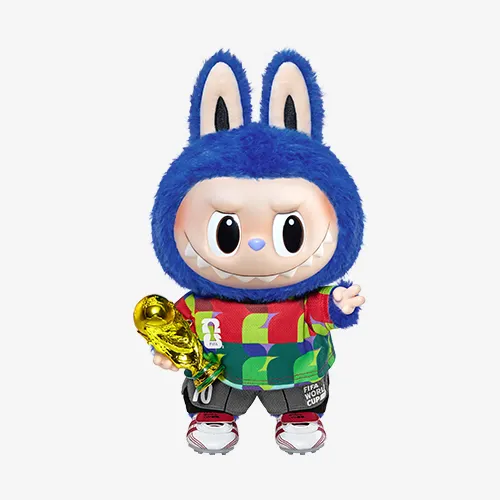 FIFA
FIFA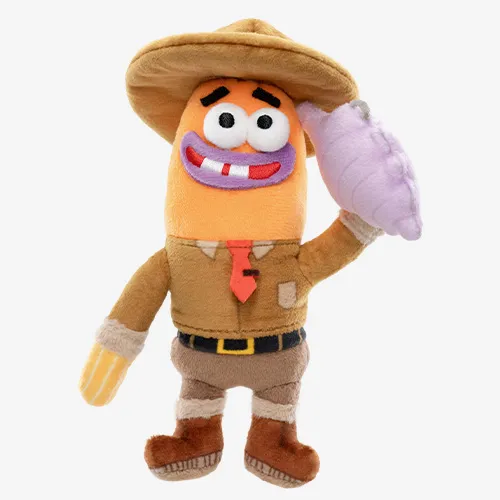 CARTOONS
 ANIME
ANIME Disney
 Sanrio & Kitty