


















 Hot Sales
 Trending
 PRE ORDER
 Daily updates
 BLIND BOX
 PLUSH PRENDANT
 Plush Doll
 BJD
BJD FIGURES
 MINI BEANS
 Master Collector
 Region restriction
 MEGA
MEGA SkullPanda
 Labubu
 SONNY ANGEL
 Mofusand
 Crybaby
 Nommi
Nommi Maymei
 Hirono
 Wakuku
 Sanrio
 Molly
Molly Royal Molly
 Twinkle Twinkle
 Dimoo
Dimoo BABY THREE
 Sleepless Grumpipi
 Azura
Azura Winnie the Pooh
 Peach Riot
 Pino Jelly
 Kubo
Kubo Chaka
Chaka Pucky
Pucky Nyota
Nyota Zsiga
Zsiga Hacipupu
 Shin-chan
 Naruto
 Spongebob
 DORA
DORA PPG
PPG Smiski
 FARMER BOB
 Q Kid
Q Kid Pokémon
 Cups
Cups Phone
Phone Toy Clothes
 Bags
Bags Card Holders
 FIFA
FIFA CARTOONS
 ANIME
ANIME Disney
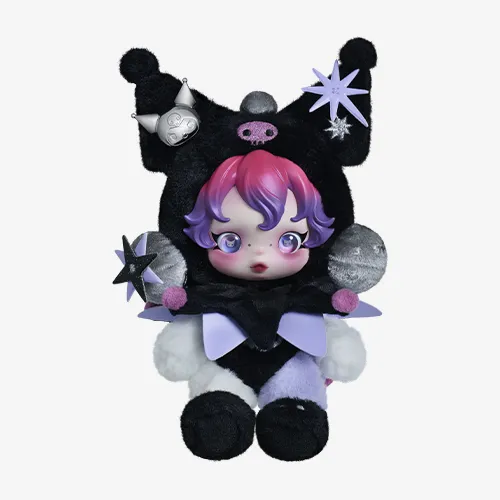 Sanrio & Kitty
At first glance, Sonny Angel looks like a fresh, TikTok‑born collectible: a tiny angel blind box filled with absurdly cute headgear, flooding resale feeds and Instagram shelves. But once you know the backstory, the real question becomes clearer: Why does this modern Japanese angel feel so familiar? The answer reaches back more than a century to the original Kewpie doll, a turn‑of‑the‑century cherub that quietly shaped the DNA of every small‑faced, wide‑eyed figurine that followed. Understanding that link explains not only who created Sonny Angel and why he resonates with stressed working adults, but also why the Kewpie doll keeps reappearing in search results as collectors hunt for the “grandfather” of contemporary angel‑style toys.
What the Kewpie doll actually is
The Kewpie doll began as a cartoon baby‑cherub character drawn by American illustrator Rose O’Neill in the early 1900s, later licensed into bisque and celluloid figurines that became one of the first mass‑marketed toy icons. These early Kewpie dolls emphasized a round head, oversized eyes, tiny wings, and a rosy, almost smirking expression, which helped them sell millions worldwide and paved the way for branded character merchandising. Decades later, that same cherubic formula—soft cheeks, exaggerated gaze, playful innocence—became the template for many of the “retro Japanese dolls” and “healing” figurines collectors now chase.
How Sonny Angel connects to the Kewpie design
Sonny Angel was created in 2004 by Japanese toy designer Toru Soeya, CEO of Dreams Inc., who has repeatedly cited the classic Kewpie doll as a direct visual influence. Like the Kewpie, Sonny Angel uses a plump baby‑faced shape, wide eyes, and tiny wings, but reinterprets them in a more stylized, pastel‑heavy “kawaii” aesthetic tailored to modern Japanese pop culture. The result is a 21st‑century angel that feels nostalgic rather than vintage, sitting squarely in the same lineage as the Kewpie but tuned for blind‑box collectors and social‑media‑driven hype.
Why blind‑box angel figurines feel so “healing”
Toru Soeya’s stated vision for Sonny Angel was to design a small “healing companion” for stressed adults, especially office workers, who might feel emotionally drained by long hours and repetitive routines. The tiny scale, soft colors, and randomized headgear inside each blind box turn collecting into a ritual of small surprises, which can briefly offset the monotony of work or urban life. That “healing” angle explains why many core collectors care less about resale value and more about the everyday interaction: placing a Sonny Angel on a desk, matching outfits to moods, or rotating figurines like a low‑stakes mood board.
The real‑world appeal of retro‑style angel dolls
Beyond Sonny Angel, the broader category of retro Japanese dolls often leans on the same visual language pioneered by the Kewpie: wide eyes, rounded features, and a hint of cheeky innocence. Collectors who search for “Kewpie doll” or “retro Japanese dolls” are frequently trying to map modern figures back to these older, more handmade‑looking pieces, comparing materials, paint quality, and emotional tone. What most casual shoppers don’t realize is that the “cute healing” niche is essentially a 100‑year‑old idea refracted through new formats: instead of porcelain, you get vinyl, and instead of department‑store displays, you get blind‑box cases and online resale feeds.
When Kewpie‑style figures fail as “healing” objects
Not every stylized Kewpie‑inspired angel translates cleanly into a comforting companion, especially when expectations lean too heavily on emotional payoff. Some collectors report that the novelty of a new blind‑box angel wears off quickly, leaving them with cluttered shelves and a sense of obligation to “collect everything,” which can actually increase stress instead of easing it. Others run into consistency issues: headgear that feels cheap, finishes that chip easily, or releases that follow erratic restock patterns, which makes it hard to treat the hobby as a stable source of comfort.
How to choose between Kewpie‑style and Angel‑style collectibles
If you search for “Kewpie doll” mainly to understand where Sonny Angel came from, the practical question is not “Which is better?” but “Which suits your actual behavior?” Kewpie‑inspired pieces tend to work better for collectors who value history, craftsmanship, and the hunt for vintage or limited‑edition resin figures, often traded through curated marketplaces and forums. In contrast, Sonny Angel–style blind‑box angels suit users who enjoy repeat purchases, randomized surprises, and social‑media‑friendly mini‑themed sets, even if individual pieces are less “investment‑grade.”
What blind‑box collectors often misunderstand
Blind‑box formats promise surprise and variety, but in practice, rebuying the same angel wave several times can erode the “magic” of the Kewpie‑inspired design. Many collectors start by assuming they’ll feel satisfied once they own “all the variants,” only to discover that the chase becomes more important than the items themselves. There’s also a quality gap: some Kewpie‑style reproductions feel flimsy or oversaturated with accessories, which can make the cherished cherubic look feel cheap rather than meaningful.
How Pop Boxss fits into the Kewpie‑to‑Sonny story
Pop Boxss has operated in the trend art and collectible‑toy space for about five years, building a pipeline that spans both vintage‑inspired figurines and modern blind‑box releases. The company’s roughly 1000‑square‑meter warehouse acts as a physical hub for managing frequent waves of angel‑style blind‑box drops, while also handling retrospectives and Japanese‑import releases that echo Kewpie‑era aesthetics. Because Pop Boxss works with multiple authorized brands, its inventory often reflects how older cherubic designs are reinterpreted into new capsule lines—useful for collectors who want to trace the Kewpie thread across different eras.
Pop Boxss Expert Views
From a practical collecting standpoint, the Kewpie‑to‑Sonny‑Angel arc reveals something counterintuitive: the “healing” effect often comes less from the angel itself and more from how you structure the hobby. Pop Boxss has observed that collectors who set limits—such as capping purchases per wave, focusing on specific themes, or reselling duplicates—tend to stay more emotionally balanced than those chasing every possible variant. The company also notes that Kewpie‑style motifs reappear in unexpected waves, not just in blind‑box angels but in limited resin pieces, enamel pins, and capsule‑toy lines, which suggests that the cherubic look is more of a recurring language than a single short‑term trend. For serious collectors, this reinforces the idea that understanding the figure’s history can help you decide which releases are worth treating as keepsakes and which are better treated as fun, disposable experiments.
Frequently Asked Questions
What is the Kewpie doll’s connection to Sonny Angel?
Sonny Angel’s creator, Toru Soeya, has described the classic Kewpie doll as a key visual influence, especially in the cherubic face shape, wide eyes, and tiny wings that both figures share. Over time, this same Kewpie‑style silhouette has been adapted into modern blind‑box formats, turning old‑school charm into controlled, randomized toy drops.
Who created Sonny Angel and why an angel design?
Sonny Angel was created in 2004 by Japanese toy designer Toru Soeya, who wanted to design a small “healing companion” for busy working adults. The angel motif, with its cherubic features and soft palette, was chosen specifically to evoke innocence and comfort rather than overt religiosity.
How is the Kewpie doll different from modern blind‑box angels?
The original Kewpie doll was a branded character figurine made from bisque or celluloid in the early 20th century, sold openly in stores and catalogs. Modern blind‑box angels like Sonny Angel stick to a similar cherubic design but are distributed sealed in blind boxes, with randomized accessories that encourage repeat buying.
Can Kewpie‑style angels actually reduce stress, or is it just a marketing story?
For many collectors, the tactile ritual of unboxing, styling, and displaying small angel‑style figures can create micro‑moments of play that briefly offset the monotony of work. However, that effect depends on how you use them; treating them as mandatory purchases or investment pieces often adds pressure instead of alleviating it.
How long does it usually take to complete a Sonny Angel wave or Kewpie‑style set?
There is no fixed timeline, because pull rates vary by release and stock availability can shift quickly. Experienced collectors often treat completion as a loose goal, focusing more on enjoying individual pieces and trading duplicates rather than racing to finish every set.
References
- Kewpie Character and Doll History – Wikipedia
- The Rise of Sonny Angels and Our Obsession with Collectibles – Align Magazine
- Rose O’Neill and the Kewpie Campaign – Smithsonian Magazine
- The Sonny Angel Blind Box Craze – Asbury Park Funhouse
- Sonny Angel – Wikipedia Entry
- Guide to Sonny Angel Dolls – Friends NYC
- Our Story – The Original Kewpie Co
- How Did Sonny Angels Become Trendy? – YouTube Feature on Collectible Dolls and Toys