 USD
USD
 SkullPanda
 Labubu
 SONNY ANGEL
 Mofusand
 Crybaby
 Nommi
Nommi Maymei
 Hirono
 Wakuku
 Sanrio
 Molly
Molly Royal Molly
 Twinkle Twinkle
 Dimoo
Dimoo BABY THREE
 Sleepless Grumpipi
 Azura
Azura Winnie the Pooh
 Peach Riot
 Pino Jelly
 Kubo
Kubo Chaka
Chaka Pucky
Pucky Nyota
Nyota Zsiga
Zsiga Hacipupu
 Shin-chan
 Naruto
 Spongebob
 DORA
DORA PPG
PPG Smiski
 FARMER BOB
 Q Kid
Q Kid Pokémon
Most blind box toys are built around cute, colorful, and easy-to-like characters. But Hirono takes a very different path.
Instead of focusing on instant cuteness, Hirono focuses on emotion, silence, and human-like storytelling. That difference is exactly why it attracts a different type of collector.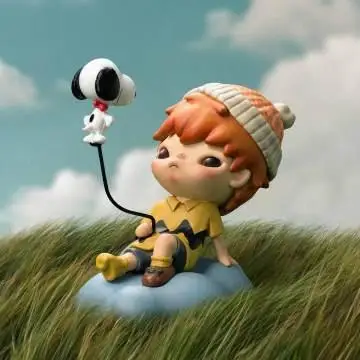
Many blind box lines aim for “likeability.”
Hirono aims for something deeper:
The designs often feel more like art pieces expressing a mood rather than playful toys.
👉 This is the first major separation from mainstream blind box IPs.
Compared to more playful characters like Labubu, Hirono leans into:
This gives Hirono a more gallery-like aesthetic, closer to contemporary art than typical collectibles.
👉 It appeals to buyers who care about design meaning, not just visual cuteness.
Most blind box figures feel like toys meant for fun interaction.
Hirono feels different:
Collectors often describe it as something you display and reflect on, not just collect.
👉 That shifts its audience completely.
Hirono attracts buyers who:
These collectors are not chasing rarity alone—they are chasing feeling.
That’s very different from traditional blind box behavior, which often focuses on:
While many blind box brands sit in the “cute collectible” category, Hirono is closer to art toy culture.
That means:
👉 It appeals to collectors who already outgrow standard cute toy aesthetics.
Hirono figures don’t rely on group chaos or bright color impact.
Instead, they work best in:
A single Hirono figure can often carry more visual weight than multiple bright figures together.
👉 Less quantity, more meaning.
Hirono buyers tend to:
This contrasts with typical blind box collecting behavior, which often involves:
👉 It’s a shift from “collecting everything” to “selecting carefully.”
In a market full of:
Hirono stands out because it does the opposite:
That difference is exactly why it doesn’t appeal to everyone—but deeply resonates with a specific group.
Hirono is not designed for mass appeal in the traditional blind box sense.
It is designed for collectors who value:
That’s why it doesn’t compete directly with typical blind box brands—it exists in a different collecting mindset entirely.
In simple terms:
Most blind boxes are about collecting characters.
Hirono is about collecting feelings.


















 Hot Sales
 Trending
 PRE ORDER
 Daily updates
 BLIND BOX
 PLUSH PRENDANT
 Plush Doll
 BJD
BJD FIGURES
 MINI BEANS
 Master Collector
 Region restriction
 MEGA
MEGA Cups
Cups Phone
Phone Toy Clothes
 Bags
Bags Card Holders
 FIFA
FIFA CARTOONS
 ANIME
ANIME Disney
 Sanrio & Kitty