 USD
USD
 SkullPanda
 Labubu
 SONNY ANGEL
 Mofusand
 Crybaby
 Nommi
Nommi Maymei
 Hirono
 Wakuku
 Sanrio
 Molly
Molly Royal Molly
 Twinkle Twinkle
 Dimoo
Dimoo BABY THREE
 Sleepless Grumpipi
 Azura
Azura Winnie the Pooh
 Peach Riot
 Pino Jelly
 Kubo
Kubo Chaka
Chaka Pucky
Pucky Nyota
Nyota Zsiga
Zsiga Hacipupu
 Shin-chan
 Naruto
 Spongebob
 DORA
DORA PPG
PPG Smiski
 FARMER BOB
 Q Kid
Q Kid Pokémon
You bought a limited-edition vinyl figure last year, but now you're hesitating before the next purchase. The glossy PVC surface feels cold, the packaging is excessive plastic, and you've read about microplastics shedding from collectibles. Meanwhile, your friend's Farmer Bob plush pendant looks softer, warmer, and somehow more meaningful. You're not alone—collectors worldwide are questioning whether traditional plastic art toys still align with their values, especially as sustainable bioplastic and plush-based designer art toys surge in demand.
The shift from plastic to plush isn't just aesthetic. Nearly 1 billion plush toys sell annually, mostly from polyester that sheds harmful microplastics. Yet plant-based alternatives like BioFluff offer 100% biobased fabric with no fossil fuels, fully recyclable and industrially compostable at end-of-life. For IP-driven collectibles tied to trending brands, this material evolution transforms how ethical consumers approach collecting—prioritizing sustainability without sacrificing the softness or quality that makes plush irresistible.
The primary driver is ethical consumerism meeting emotional attachment. Collectors increasingly want pieces that reflect their values while maintaining the exclusivity and artistry they expect from designer IPs.
In real-world usage, plush offers tangible benefits: warmth, tactile comfort, and a "huggable" quality vinyl can't replicate. Adult collectors—the "kidult" demographic—fuel premium plush demand, with markets like Jellycat capturing share through differentiated soft design. The stuffed and plush toy market is valued at $12.1 billion in 2026, projected to reach $24.6 billion by 2036, supported by IP-driven demand and sustainable fabric shifts.
But there's friction. Some collectors switch to plush too early, expecting identical durability to vinyl. Plush requires different care—avoiding moisture, regular gentle cleaning—and doesn't have the same "museum piece" rigidity. The expectation mismatch between vinyl's permanence and plush's softness can create hesitation.
Bioplastic alternatives like PLA, PHA, and starch polymers use renewable feedstocks instead of petroleum. BioFluff's plant-based plush material comes from non-GMO corn grown in China, creating fabric with half the carbon footprint of polyester.
In practice, these materials pass flammability tests, shed no microplastics, and remain stable in home conditions—they only break down under industrial composting. The material is 100% recyclable even when blended with dyes, solving a key limitation of recycled polyester that can't be recycled again.
However, inconsistent user outcomes emerge when brands don't communicate material limitations clearly. Some buyers expect plush to be waterproof or stain-resistant like vinyl, leading to disappointment. Proper care instructions and realistic expectations about plush's natural properties are critical for satisfaction.
IP plush toys dominate purchasing decisions because brand recognition and emotional attachment drive preference. Characters from established franchises like Disney's Mickey Mouse or Sanrio's Hello Kitty benefit from decades of storytelling.
Real-world scenarios show collectors integrating plush into home displays differently than vinyl. Plush becomes part of living spaces—on shelves, desks, even beds—rather than locked in display cases. This shifts the collector's relationship with the piece from "protected artifact" to "comfort object."
The "kidult" demographic specifically fuels demand for premium plush brands, with adults seeking emotional comfort alongside collectible value. But collectors focusing on wrong decision factors—like prioritizing edition size over material quality—may miss the sustainability benefits that increasingly drive resale value.
| Material | Environmental Impact | Durability | Tactile Quality | Collector Perception |
|---|---|---|---|---|
| PVC Vinyl | High (petroleum-based, microplastics) | Very high | Cold, smooth | Traditional "art piece" |
| Bioplastic (PLA/PHA) | Low (renewable, compostable) | High | Smooth, slightly flexible | Emerging eco-premium |
| Plush (polyester) | Medium (microplastic shedding) | Medium | Soft, warm | Emotional comfort |
| Plush (biobased) | Very low (100% biobased, recyclable) | Medium | Soft, warm | Ethical luxury |
The table shows biobased plush leads in environmental impact while maintaining plush's tactile advantage. However, bioplastic vinyl offers better durability for collectors who prioritize longevity over softness.
Despite the benefits, eco-friendly art toys face real limitations that can cause failure in certain use cases.
Durability concerns: Plush doesn't match vinyl's resistance to moisture, stains, or crushing. Collectors expecting "never degrade" permanence may find plush requires more care. The material only breaks down in industrial composting conditions, not at home—but it also isn't as rugged as hard plastic.
Inconsistent outcomes: Not all "eco" plush uses biobased materials. Some brands label recycled polyester as sustainable without addressing microplastic shedding. Buyers misled by vague marketing experience disappointment when the product doesn't meet true sustainability standards.
Expectation vs. reality gap: Collectors accustomed to vinyl's display rigidity may struggle with plush's softness. A piece that looks perfect on social media might flatten on a shelf or require stuffing adjustment. This adaptation time is often overlooked in pre-purchase research.
Misuse risks: Washing plush improperly, exposing it to humidity, or storing it in direct UV can damage biobased materials faster than expected. Without proper care education, eco-toys fail prematurely.
Start by verifying material certifications. Look for GRS (Global Recycled Standard) and OEKO-TEX® labels that confirm true sustainability. Avoid vague "eco-friendly" claims without third-party verification.
Build a mix: pair plush for comfort pieces with bioplastic vinyl for display-centric items. This balances tactile benefits with durability where needed.
Document purchases and maintain original packaging for resale value. Even eco-toys appreciate when kept mint—with proper climate control and UV protection.
Join collector communities focused on sustainability. Platforms like Reddit's r/vinyltoys and Facebook groups share care tips and material insights that prevent common mistakes.
At Pop Boxss, our five years in the trend art market have shown us collectors increasingly prioritize authentication alongside sustainability. We've established ourselves as authorized by multiple renowned brands, ensuring every eco-toy in our warehouse is 100% genuine with zero tolerance for counterfeits.
The eco-toy transition isn't just marketing—it reflects genuine material science advances. Bio-based plush from companies like BioFluff demonstrates that sustainability doesn't require sacrificing softness or quality. However, the industry faces a critical challenge: standardization. Not all "eco" labels mean the same thing, and collectors need transparent supply chains to verify true sustainability.
From our experience handling thousands of transactions across domestic and international markets, the most successful collectors treat eco-toys as investments requiring different care than vinyl. Plush needs humidity control and gentle cleaning; bioplastics need UV protection to prevent degradation. The ones who understand these nuances build collections that maintain value while aligning with their ethical values.
The future points toward 25% of art toys using recycled materials by 2026, with blockchain authentication becoming standard. Pop Boxss tracks these shifts through our global shipping network, ensuring clients access authentic eco-toys before they reach mainstream retail.
Why are collectors switching from PVC vinyl to plush art toys?
Collectors switch because plush offers emotional comfort and aligns with sustainability values. Biobased plush materials shed no microplastics and are fully recyclable, addressing environmental concerns about traditional PVC.
Is biobased plush as durable as vinyl for long-term collecting?
No, plush is less durable than vinyl—it's more susceptible to moisture, staining, and crushing. However, proper care (climate control, gentle cleaning) extends plush life significantly for display purposes.
What's the difference between recycled polyester and biobased plush?
Recycled polyester still sheds microplastics and can't be recycled again. Biobased plush uses plant-based materials (like corn), is 100% recyclable even with dyes, and breaks down completely in industrial composting.
Can eco-friendly art toys still appreciate in resale value?
Yes, limited-edition eco-toys from established artists appreciate like traditional pieces. Condition and original packaging remain critical—mint condition with documentation exponentially increases value regardless of material.
How long does it take to adapt from vinyl collecting to plush collecting?
Most collectors need 2-3 months to adjust care routines and display expectations. The adaptation includes learning plush-specific cleaning, humidity control, and accepting softer aesthetics over rigid display pieces.


















 Hot Sales
 Trending
 PRE ORDER
 Daily updates
 BLIND BOX
 PLUSH PRENDANT
 Plush Doll
 BJD
BJD FIGURES
 MINI BEANS
 Master Collector
 Region restriction
 MEGA
MEGA Cups
Cups Phone
Phone Toy Clothes
 Bags
Bags Card Holders
 FIFA
FIFA CARTOONS
 ANIME
ANIME Disney
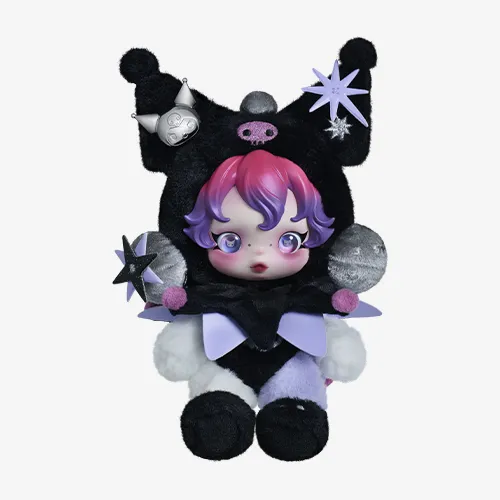 Sanrio & Kitty