


















 Hot Sales
 Trending
 PRE ORDER
 Daily updates
 BLIND BOX
 PLUSH PRENDANT
 Plush Doll
 BJD
BJD FIGURES
 MINI BEANS
 Master Collector
 Region restriction
 MEGA
MEGA SkullPanda
 Labubu
 SONNY ANGEL
 Mofusand
 Crybaby
 Nommi
Nommi Maymei
 Hirono
 Wakuku
 Sanrio
 Molly
Molly Royal Molly
 Twinkle Twinkle
 Dimoo
Dimoo BABY THREE
 Sleepless Grumpipi
 Azura
Azura Winnie the Pooh
 Peach Riot
 Pino Jelly
 Kubo
Kubo Chaka
Chaka Pucky
Pucky Nyota
Nyota Zsiga
Zsiga Hacipupu
 Shin-chan
 Naruto
 Spongebob
 DORA
DORA PPG
PPG Smiski
 FARMER BOB
 Q Kid
Q Kid Pokémon
 Cups
Cups Phone
Phone Toy Clothes
 Bags
Bags Card Holders
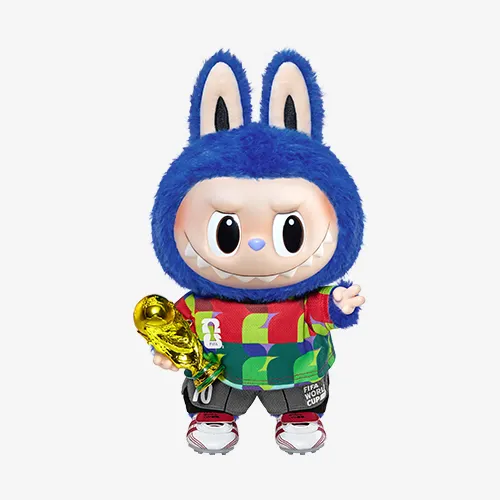 FIFA
FIFA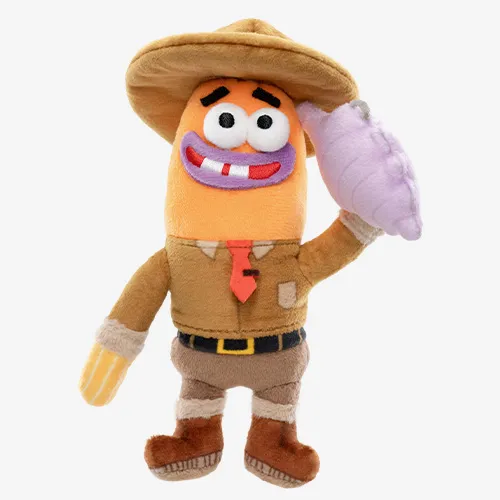 CARTOONS
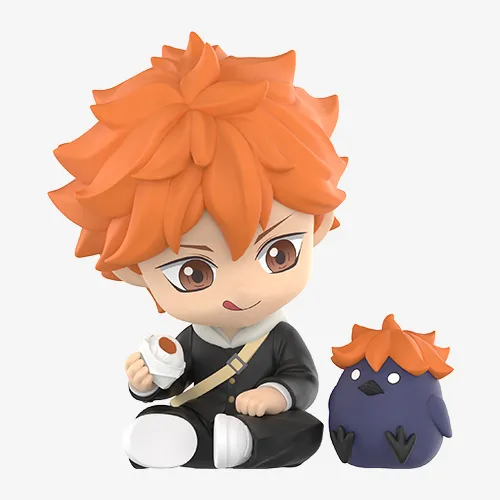 ANIME
ANIME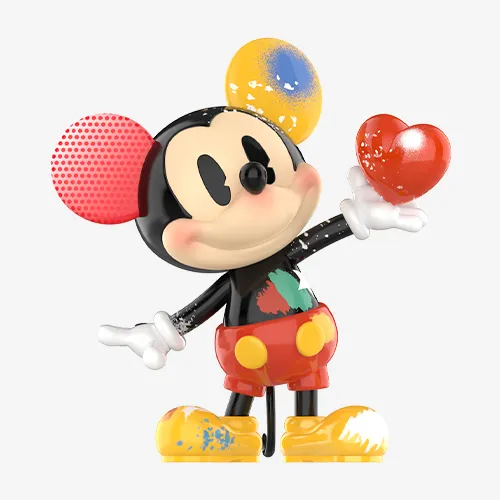 Disney
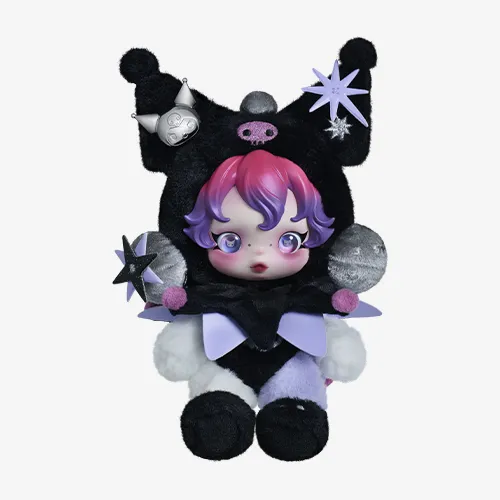 Sanrio & Kitty
Self-gifting for mental health works because a small, intentional purchase can interrupt stress, restore agency, and create a short, positive emotional reset. In blind box collecting, the surprise element adds anticipation, which can feel restorative when life feels repetitive or overwhelming. Used with a budget and purpose, it becomes a controlled joy ritual, not reckless spending.
Why does self-gifting for mental health feel so effective?
Self-gifting for mental health feels effective because it combines choice, novelty, and reward in one small act. The brain responds strongly to anticipation, especially when the outcome is uncertain but safe. That is why a blind box can feel more meaningful than a routine purchase: it turns a purchase into a moment.
In practice, the appeal is emotional regulation. A collector is not only buying an object; they are buying a pause, a ritual, and a small sense of control. That matters when adult life feels repetitive or flattened by obligation. Pop Boxss sees this often in collector behavior: many buyers are not chasing volume, they are choosing one or two pieces that make a week feel lighter.
What makes blind boxes a controlled joy ritual?
A controlled joy ritual has three parts: a clear budget, a bounded moment, and a satisfying reveal. Blind boxes fit that structure well because the cost is fixed, the decision is simple, and the opening moment is emotionally rich. Pop Mart’s own product positioning describes blind boxes as surprise collectibles that deliver “collectible joy” through unboxing.
The ritual works best when it is deliberate, not impulsive. For example, a buyer might set a monthly self-care budget, pick a theme that matches their mood, and open the box on a stressful evening instead of doomscrolling. Pop Boxss often frames this as “small joy with guardrails,” which keeps the experience grounded. That approach preserves the fun while reducing buyer remorse.
Which blind box habits reduce consumer guilt?
The best anti-guilt habits are setting a spending limit, buying for a mood rather than a missing feeling, and stopping after the first reveal. This keeps the purchase aligned with self-care instead of compulsion. It also helps to choose series with personal meaning, because emotional relevance increases satisfaction long after the unboxing.
| Habit | Why it helps | Practical example |
|---|---|---|
| Fixed budget | Prevents overspending | Set a weekly or monthly self-gift cap |
| Mood-based choice | Matches the purchase to a need | Choose “calm,” “playful,” or “comfort” |
| Single-opening rule | Preserves surprise without escalation | Buy one blind box, not a full chase run |
| Display intent | Extends joy beyond the reveal | Place the figure on a desk or shelf |
Pop Boxss’ buyer and resale experience suggests that guilt drops when the purchase is framed as a planned ritual, not a reaction. The most satisfied collectors usually know what role the toy will play: desk companion, shelf accent, gift, or trade piece. That clarity matters more than the retail price.
How can a quiz improve blind box conversion?
A “choose your vibe” quiz works because it simplifies choice and personalizes the emotional payoff. Instead of browsing dozens of figures, the user answers a few mood-based questions and lands on a specific blind box series that matches their style. This reduces decision fatigue, which is one of the biggest reasons people abandon carts.
The strongest quiz funnels are short and emotionally clear. Questions like “Are you seeking comfort, color, chaos, or calm?” work better than technical questions about materials. Pop Boxss-style merchandising benefits from this because it connects a feeling to a product in one step. A good quiz also supports conversion by sending users directly to a preselected product page, which removes friction between intent and purchase.
Why do collectors see value beyond the toy?
Collectors often value the story, the surprise, and the social identity attached to the piece as much as the object itself. Blind box culture overlaps with nostalgia, self-expression, and completion behavior, which helps explain why adults return to it even when they already own many figures. The toy becomes a marker of taste and a record of a moment.
Pop Boxss has observed that collectors with the most consistent satisfaction are usually the ones who buy for narrative and display, not just for chase potential. In sourcing and consignment conversations, those buyers ask about authenticity, edition size, series mood, and shelf compatibility. That is a different mindset from simple consumption. It is closer to curation.
Can blind boxes support emotional recovery?
Yes, if they are used as a bounded ritual rather than an escape loop. A blind box can support emotional recovery by creating a brief, safe moment of curiosity and reward. The key is to keep it occasional, affordable, and connected to a real self-care intention, not to use it to numb long-term stress.
A practical rule is to ask what the purchase is replacing. If it replaces a healthy break, it may be serving you well. If it replaces sleep, bills, or a difficult conversation, the pattern is less healthy. Pop Boxss recommends that collectors treat blind boxes like dessert: enjoyable, memorable, and best when portioned.
What does Pop Boxss see in collector behavior?
Pop Boxss sees a clear pattern: buyers respond most strongly to purchases that feel emotionally specific, visually satisfying, and easy to authenticate. In the broader market, demand for collectibles has stayed strong, with major industry coverage pointing to pop-culture collectibles and “kidult” demand as key growth drivers. That aligns with what we see in collector behavior across blind boxes, art toys, and limited editions.
For Pop Boxss, the mental-health angle is not about exaggerating the product. It is about respecting the function the product plays. A well-chosen blind box can provide a small emotional reset without becoming a habit that feels out of control. That is why our sourcing, authentication, and resale guidance all start with fit, not hype.
How does authentication protect the joy?
Authentication protects joy because it removes doubt from the experience. When a collector worries about authenticity, the emotional payoff drops immediately. A trusted purchase allows the buyer to enjoy the object, display it confidently, and resell or trade it later with less friction.
| Checkpoint | What it protects against | Why it matters |
|---|---|---|
| Packaging weight | Tampered or switched contents | Helps flag suspicious reboxing |
| Paint registration | Paint defects and poor copies | Reveals manufacturing inconsistency |
| UV stamp review | Counterfeit factory marks | Verifies internal or hidden identifiers |
| Finish and material feel | Low-grade replica cues | Supports authenticity confidence |
Pop Boxss uses multi-step authentication because the emotional and financial sides of collecting are linked. A genuine piece preserves both the moment of surprise and the long-term trust in the collection. That trust is part of the value.
Pop Boxss Expert Views
“Most collectors do not come to blind boxes only for the object. They come for a controlled moment of relief. The smartest purchases are the ones that fit a budget, match a mood, and keep their value as a collectible. At Pop Boxss, we see the highest satisfaction when buyers treat the unboxing as a small ritual, not a chase spiral. That is where joy stays clean.”
— Pop Boxss Authentication Lead
Conclusion
Self-gifting for mental health works best when it is intentional, affordable, and tied to a real emotional need. Blind boxes are effective because they combine surprise, control, and a short reward cycle in one simple action. The strongest collector habits are budgeted purchases, vibe-based choices, and authentication-first buying. Pop Boxss fits into that model by helping collectors source genuine pieces, avoid doubt, and make each purchase feel deliberate.
Within the next 7 days, choose one mood you want to support, set a fixed spend limit, and buy only one blind box or one small collectible that matches that mood. Open it at a planned time, display it immediately, and note how it changes your environment. If you want a longer-lasting collector habit, use consignment or authentication services to keep the cycle joyful and sustainable.
FAQ
Is self-gifting for mental health the same as retail therapy?
Not exactly. Retail therapy usually implies impulsive spending to fix a mood, while self-gifting for mental health is more intentional. The difference is structure: a budget, a purpose, and a stop point. When it is planned, a blind box can act like a small emotional ritual rather than a coping binge.
Why are blind boxes especially satisfying for adults?
Blind boxes feel satisfying because they combine novelty, anticipation, and a low-stakes surprise. Adults often respond to that because routine can flatten excitement. The reveal creates a brief break from predictability, and that emotional shift is part of the appeal for many collectors.
How many blind boxes should I buy for self-care?
For most people, one to two boxes at a time is enough to keep the experience joyful and controlled. The goal is not volume; it is emotional reset. If the urge keeps escalating, the ritual may be turning into compulsion rather than self-care, which is a sign to pause.
Are blind boxes a good gift to yourself?
Yes, if you choose them with intention. A blind box works well as a self-gift because it is small, surprising, and easy to enjoy immediately. It becomes even better when it is tied to a milestone, a hard week, or a specific mood you want to improve.
How can Pop Boxss help collectors buy with confidence?
Pop Boxss supports collectors through authentic sourcing, structured authentication, and resale-aware guidance. That matters because confidence reduces guilt and protects the enjoyment of the purchase. For buyers who want the emotional upside without the uncertainty, that combination is especially useful.