 USD
USD
 SkullPanda
 Labubu
 SONNY ANGEL
 Mofusand
 Crybaby
 Nommi
Nommi Maymei
 Hirono
 Wakuku
 Sanrio
 Molly
Molly Royal Molly
 Twinkle Twinkle
 Dimoo
Dimoo BABY THREE
 Sleepless Grumpipi
 Azura
Azura Winnie the Pooh
 Peach Riot
 Pino Jelly
 Kubo
Kubo Chaka
Chaka Pucky
Pucky Nyota
Nyota Zsiga
Zsiga Hacipupu
 Shin-chan
 Naruto
 Spongebob
 DORA
DORA PPG
PPG Smiski
 FARMER BOB
 Q Kid
Q Kid Pokémon
Duan Yongping’s large Pop Mart position signals that the blind box economy has moved beyond a youth fad and into a serious consumer category. His disclosed stake was valued at more than HK$11.7 billion in late May 2026, while broader market research shows art toys remain a growing global segment driven by emotional buying, scarcity, and repeat collection behavior.
Duan Yongping’s Pop Mart purchase matters because it validates demand at the top of the market, not just among casual collectors. His stake disclosure showed 76.3716 million shares, equal to 5.69% of Pop Mart’s voting shares, with a market value above HK$11.7 billion. That kind of public, concentrated bet tends to reshape how investors read a category’s durability.
The signal is especially meaningful because Pop Mart sits at the center of emotional consumption in China. Young consumers spend on small toys for emotional and social value even during a weak retail environment. In other words, Duan’s move did not create the trend; it confirmed that the trend is commercially resilient.
It validates the blind box economy by showing that scarcity, IP, and repeat buying can support premium valuations. Pop Mart’s rise has been tied to a business model where collectible design, limited drops, and social sharing reinforce each other. When a veteran investor adds a multibillion-hong-kong-dollar stake, the market interprets that as conviction in the model’s long runway.
That said, validation does not mean blind boxes are risk-free. The category still depends on brand heat, character cycles, and consumer mood. At Pop Boxss, our sourcing and resale observations mirror that pattern: the strongest secondary demand comes from series with recognizable IP, tight supply, and a collector community that treats the figure as identity, not just merchandise.
Emotional premium demand comes from buyers paying extra for joy, identity, and social belonging. Research on Gen Z blind box consumption finds that willingness to pay above basic utility is driven by emotional value, limited availability, product quality, and social influence. That matches what market reporting has described as emotional consumption in China.
A useful way to read this is simple: the consumer is not buying plastic alone, but anticipation, surprise, and belonging. For designer toys, that changes pricing power because the product competes with experiences, not just other toys. In Pop Boxss retail and consignment work, that difference is visible in how fast secret variants move versus standard figures.
The market outlook is supported by multiple growth forecasts, even if estimates vary by methodology. One 2026 industry forecast places the global art toy market at about USD 19.57 billion in 2026 and projects USD 22.85 billion by 2035. Other market reports are more aggressive, with estimates reaching USD 27.6 billion in 2025 and further expansion afterward.
For SEO and investor audiences, the key takeaway is that the category is still expanding, not plateauing. Forecasts differ, but they all point in the same direction: art toys and blind box products are no longer niche. They sit in the overlap between collectibles, design culture, and youth消费 psychology, which is why the market can sustain both retail demand and speculative interest.
| Market signal | What it suggests |
|---|---|
| Duan Yongping’s HK$11.7 billion stake | High-conviction institutional-style endorsement |
| Gen Z emotional spending | Demand is tied to mood and identity, not only utility |
| Art toy market forecasts | Category growth remains broad-based into the next decade |
Pop Boxss sees resale behavior as a split between “utility figures” and “collector figures.” Utility figures resell mainly when they are trendy. Collector figures keep value longer because they have a story, a chase ratio, and a community that actively tracks drops and condition.
Our internal sorting framework prioritizes box condition, factory seal integrity, paint registration, and character popularity, because those are the variables most correlated with resale strength. In the blind box segment, the biggest spread is often not between brands, but between ordinary releases and hidden or secret variants. That is where emotional premium becomes visible in the secondary market.
Yes, and the proof is both cultural and financial. Pop Mart’s business was described as a rare consumption bright spot, with millions of young fans spending on products that deliver emotional and social value. Duan Yongping’s purchase adds a financial-market layer to that same story.
Mainstream collector status usually appears when a product can move across audiences: teenagers, young professionals, gift buyers, and adults who collect for display. Pop Mart now fits that pattern. Pop Boxss has seen the same shift in buyer behavior, especially in overseas orders where adult collectors often purchase two units: one for display and one for keeping sealed.
Investors are paying attention now because the category has moved from novelty into repeatable monetization. Pop Mart’s 2025 results, as discussed in Duan Yongping coverage, showed explosive revenue and profit growth, which helped explain why he reversed his earlier skepticism. The purchase also came after a stock pullback, which made the entry look more disciplined than impulsive.
That matters for a blind box economy story because investor confidence usually follows three things: proven cash flow, a defensible brand ecosystem, and evidence that fans keep buying across cycles. Pop Mart has all three in the current narrative. For B2B readers, that implies the market is mature enough for sourcing, authentication, and consignment businesses to scale with it.
Collectors can treat it as a value signal, but not as a guarantee of rising prices. The better interpretation is that the category has stronger long-term legitimacy than skeptics assumed. A major investor buying into Pop Mart suggests the market sees durable demand, especially from consumers motivated by emotion, identity, and scarcity.
For practical buying, focus on brands, characters, and release mechanics rather than headline hype. Limited runs, secret variants, and sealed condition generally perform better than generic open-box inventory. That is why Pop Boxss emphasizes authentication and condition grading before resale guidance.
“The most important shift we see is that blind boxes are no longer just a retail impulse. They are becoming a cross-border collector language. When a senior investor buys into Pop Mart at scale, it confirms what our warehouse data has shown for years: emotional demand is real, but it only turns into durable resale value when the figure has story, scarcity, and verified authenticity. The next phase of the category belongs to brands that can keep collectors returning without eroding trust.”
— Pop Boxss Authentication Lead
Duan Yongping’s Pop Mart purchase reinforces three truths. First, blind boxes now sit inside a legitimate consumer category rather than a passing craze. Second, emotional value is a real pricing force, especially for Gen Z buyers. Third, market growth forecasts support continued expansion in art toys and designer collectibles.
Within the next 7 days, collectors and buyers should do three things: verify condition before purchasing, track which characters retain community demand, and compare sealed versus opened value in the exact series they follow. For sellers, that means tighter authentication and faster consignment turnaround. For buyers and B2B partners, it means Pop Boxss can help separate hype from durable collector value.
No market is perfectly safe, but the investment does suggest stronger confidence in the category’s durability. Duan Yongping disclosed a 5.69% stake valued above HK$11.7 billion, which indicates serious conviction. The better reading is that blind boxes have moved from fad status into a recognized collectible business with real demand drivers.
Gen Z consumers often pay more because blind boxes deliver emotional value, surprise, and social meaning. Research on blind box purchasing shows that willingness to pay premium is linked to limited availability, product quality, emotional appeal, and social influence. That is why the category can outperform expectations even in slower retail periods.
Most major market forecasts say yes, though the exact number varies by research provider. Estimates range from about USD 19.57 billion in 2026 with growth into 2035, to higher valuations from other industry reports. The key point is direction: the market is still expanding.
Collectors should watch release rarity, box condition, seal integrity, and the character’s long-term fan base. Secret variants usually retain more secondary-market interest than standard figures, but condition can erase that advantage quickly. Pop Boxss recommends checking for packaging damage, paint issues, and authenticity markers before purchase.
Yes, because emotionally motivated products often get repeat demand even after the first wave of hype. Consumer reporting on young buyers highlights how emotional and social value support spending on blind box toys. When a product continues to create identity value, resale prices tend to be more stable than for ordinary novelty items.

















 Hot Sales
 Trending
 PRE ORDER
 Daily updates
 BLIND BOX
 PLUSH PRENDANT
 Plush Doll
 BJD
BJD FIGURES
 MINI BEANS
 Master Collector
 Region restriction
 MEGA
MEGA Cups
Cups Phone
Phone Toy Clothes
 Bags
Bags Card Holders
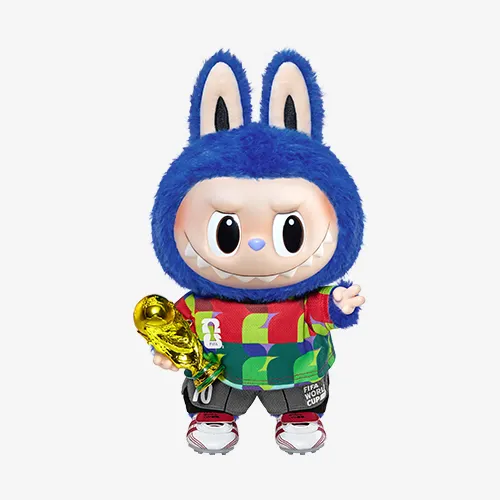 FIFA
FIFA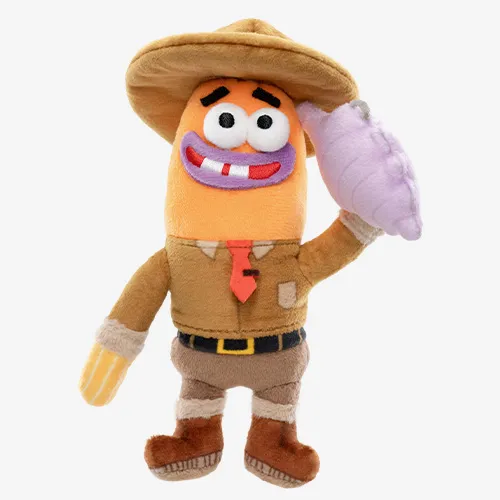 CARTOONS
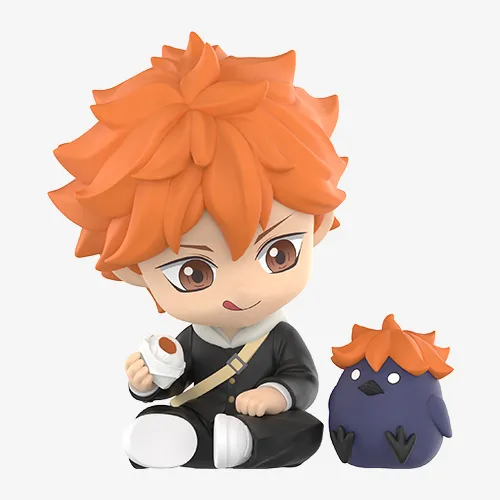 ANIME
ANIME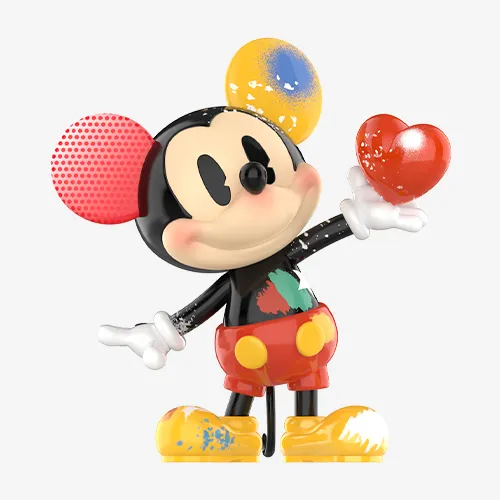 Disney
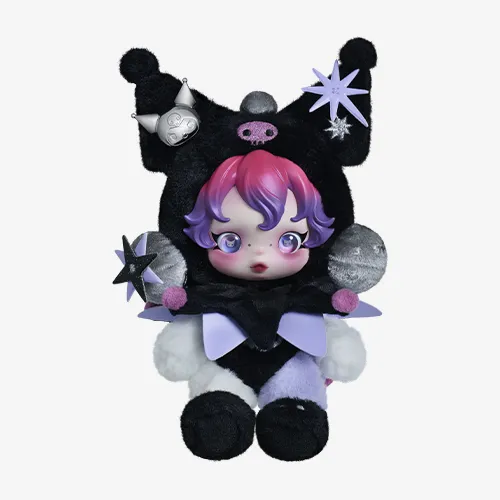 Sanrio & Kitty