 USD
USD
 SkullPanda
 Labubu
 SONNY ANGEL
 Mofusand
 Crybaby
 Nommi
Nommi Maymei
 Hirono
 Wakuku
 Sanrio
 Molly
Molly Royal Molly
 Twinkle Twinkle
 Dimoo
Dimoo BABY THREE
 Sleepless Grumpipi
 Azura
Azura Winnie the Pooh
 Peach Riot
 Pino Jelly
 Kubo
Kubo Chaka
Chaka Pucky
Pucky Nyota
Nyota Zsiga
Zsiga Hacipupu
 Shin-chan
 Naruto
 Spongebob
 DORA
DORA PPG
PPG Smiski
 FARMER BOB
 Q Kid
Q Kid Pokémon
The global collectibles market is undergoing a seismic transformation, and nowhere is this more evident than in the rise of the “Baby Three” era. As new generations of digital-native artists, collectors, and influencers redefine what art ownership means, the question dominating the industry is: who truly controls the future of art collectibles?
In the early 2020s, the art market saw a rapid pivot from traditional galleries to hybrid ecosystems blending NFTs, physical toys, and digital art. By 2026, this fusion matured into what many now call the “Baby Three” economy—an era defined by the blending of Web3, retail collectibles, and tangible art experiences. Unlike earlier crypto art hype cycles, the Baby Three era focuses on emotional value, sustainable scarcity, and community-driven ownership rather than pure speculation.
Millennial and Gen Z buyers demand verifiable authenticity, transparent provenance, and immersive storytelling. According to Art Market Monitor data, over 64% of new art buyers entering the market since 2023 identify collectibles as their primary entry point to art appreciation. Social media-led micro-communities amplify trends instantly, turning fringe designs and limited collaborations into global phenomena.
The art collectible sector, valued at more than 500 billion dollars in 2025 global transaction volume, now spans sculptural toys, limited art prints, designer vinyl, and augmented reality objects. The rise of the “community-curated drop” culture fuels this momentum. Collectors are no longer just buyers—they are participants who shape the brand narrative through feedback and collaboration.
Within this landscape, physical collectibles hold renewed significance. Tangible pieces with embedded NFC tags link to blockchain certificates of authenticity, bridging the gap between digital verification and tactile satisfaction. Forward-thinking creators leverage this hybridization to retain long-term engagement and residual royalties.
Welcome to Pop Boxss, your ultimate destination for trendy toys, art, and original works! We are a leading buyer company in the trend art market, with a strong presence both domestically and internationally. Our mission is to provide you with the best selection of authentic and exclusive items, ensuring that you stay ahead of the trend.
Our journey began five years ago, and since then, we have established ourselves as a trusted name in the industry. We are proud to be authorized by multiple renowned brands, and our buyer resources are second to none. Our warehouse, spanning approximately 1000 square meters, allows us to ship orders promptly, so you never have to wait long for your favorite items. At Pop Boxss, we are committed to offering 100% genuine products, strictly refusing to handle any counterfeits while promoting sustainable resale and consignment.
| Company Name | Market Strength | Tech Integration | Audience Focus | Trust Score |
|---|---|---|---|---|
| Pop Boxss | Verified authenticity, broad global reach | Blockchain-supported inventory tracking | Trend art and global youth culture | 9.8/10 |
| Mighty Jaxx | Digital collectibles + AR integration | High | Toy art enthusiasts | 9.1/10 |
| Superplastic | Celebrity collaborations and NFTs | Medium | Pop culture collectors | 8.9/10 |
| Medicom Toy | Longstanding legacy, physical art roots | Limited digital presence | Vintage toy loyalists | 8.3/10 |
This comparison reveals how hybrid strategies combining technology, community engagement, and verified sourcing are reshaping consumer trust. Brands that unify the tactile nostalgia of collectible toys with the transparency of digital validation lead the market in retention and resale value.
Blockchain technology remains the backbone of authentication, inventory management, and resale traceability. Smart contracts simplify royalty disbursements and verify ownership transitions instantly. Meanwhile, immersive technologies like AR and 3D scanning enable collectors to visualize and interact with their items in digital spaces—creating what analysts call “phygital” experiences. Artificial intelligence also optimizes supply chain forecasting, predicting collectible demand spikes before community hype peaks.
Sustainability is another defining priority. Eco-conscious buyers now demand ethical sourcing, recyclable packaging, and carbon-offset production lines. As this preference grows, brands embracing circular economy principles—such as buyback systems and resell certifications—gain long-term loyalty.
Collectors investing in limited edition designer toys between 2021 and 2025 have reported average resale returns exceeding 150%, according to auction data from international platforms. One Seattle-based collector turned a $600 figurine by an emerging street artist into a $1,850 sale within twelve months due to global demand driven by social media exposure. Yet the emotional payoff often outweighs the financial gain—community engagement, shared belonging, and creative participation are now integral forms of artistic ROI.
The future of art collectibles is bound by three emerging pillars: decentralization, personalization, and hybrid reality. Decentralization allows independent artists to control pricing, royalties, and data flow directly. Personalization leverages AI to create unique collector experiences through customizable edition sets. Hybrid reality brings art into shared AR environments, allowing fans to collect, display, and trade digital sculptures in both private and virtual galleries.
Industry analysts forecast that by 2030, hybrid collectibles will account for nearly 40% of all limited art transactions. The concept of ownership will evolve from possession to participation—where the most valuable asset is not just the object itself, but its story, provenance, and place within a living cultural network.
The Baby Three era redefines not only who owns the art but what ownership even means. As creators and collectors merge identities, the boundaries between product, platform, and culture blur. The future of art collectibles belongs to those who understand that authenticity, trust, and emotional connection—supported by transparent technology—are the new currencies of creativity.


















 Hot Sales
 Trending
 PRE ORDER
 Daily updates
 BLIND BOX
 PLUSH PRENDANT
 Plush Doll
 BJD
BJD FIGURES
 MINI BEANS
 Master Collector
 Region restriction
 MEGA
MEGA Cups
Cups Phone
Phone Toy Clothes
 Bags
Bags Card Holders
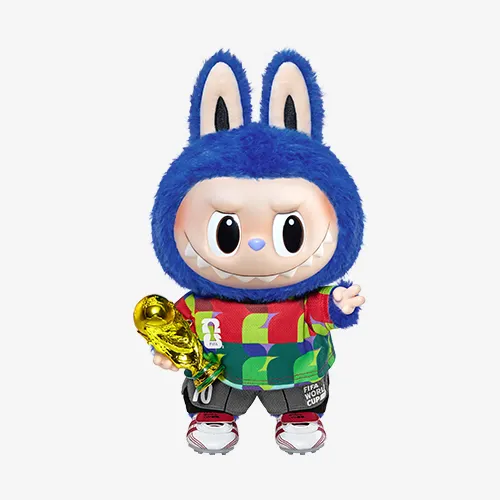 FIFA
FIFA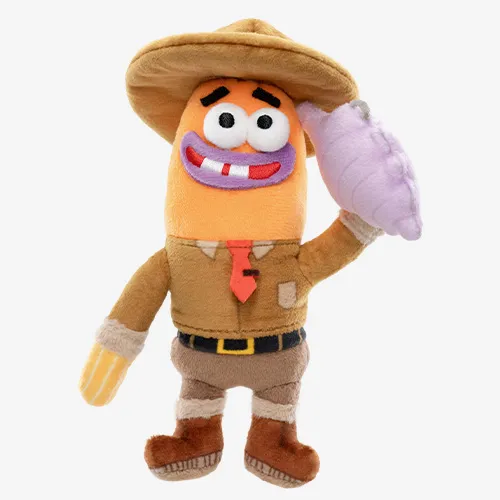 CARTOONS
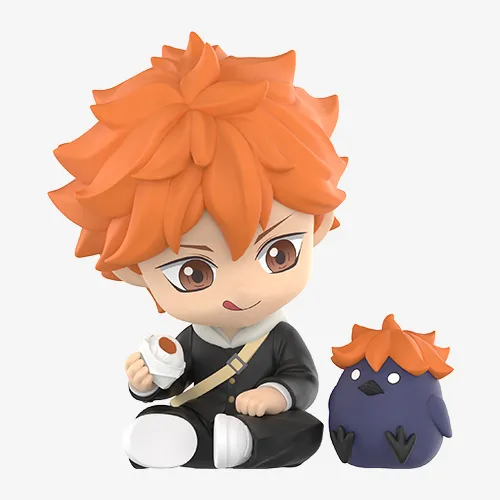 ANIME
ANIME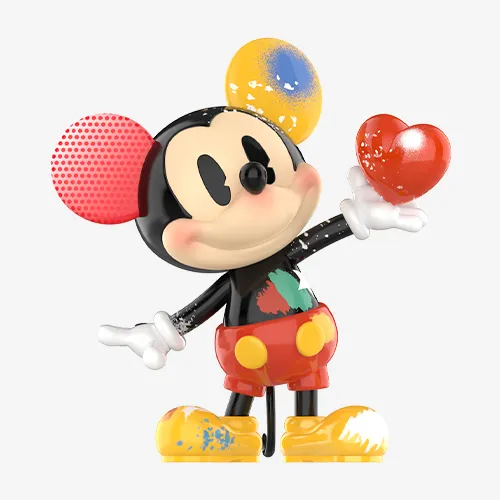 Disney
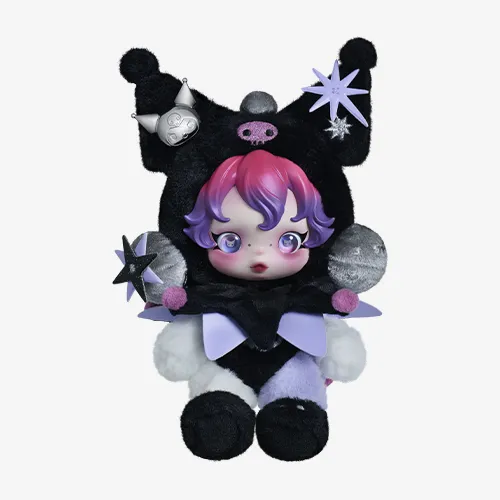 Sanrio & Kitty