 USD
USD
 SkullPanda
 Labubu
 SONNY ANGEL
 Mofusand
 Crybaby
 Nommi
Nommi Maymei
 Hirono
 Wakuku
 Sanrio
 Molly
Molly Royal Molly
 Twinkle Twinkle
 Dimoo
Dimoo BABY THREE
 Sleepless Grumpipi
 Azura
Azura Winnie the Pooh
 Peach Riot
 Pino Jelly
 Kubo
Kubo Chaka
Chaka Pucky
Pucky Nyota
Nyota Zsiga
Zsiga Hacipupu
 Shin-chan
 Naruto
 Spongebob
 DORA
DORA PPG
PPG Smiski
 FARMER BOB
 Q Kid
Q Kid Pokémon
At a glance, Skullpanda looks like just another blind box character.
In reality, it has become one of the most collectible designer toy lines because it combines art, emotion, and smart product structure in a way few others do.
Collectibility is not random. It’s built.
Here’s why Skullpanda consistently attracts both new buyers and serious collectors.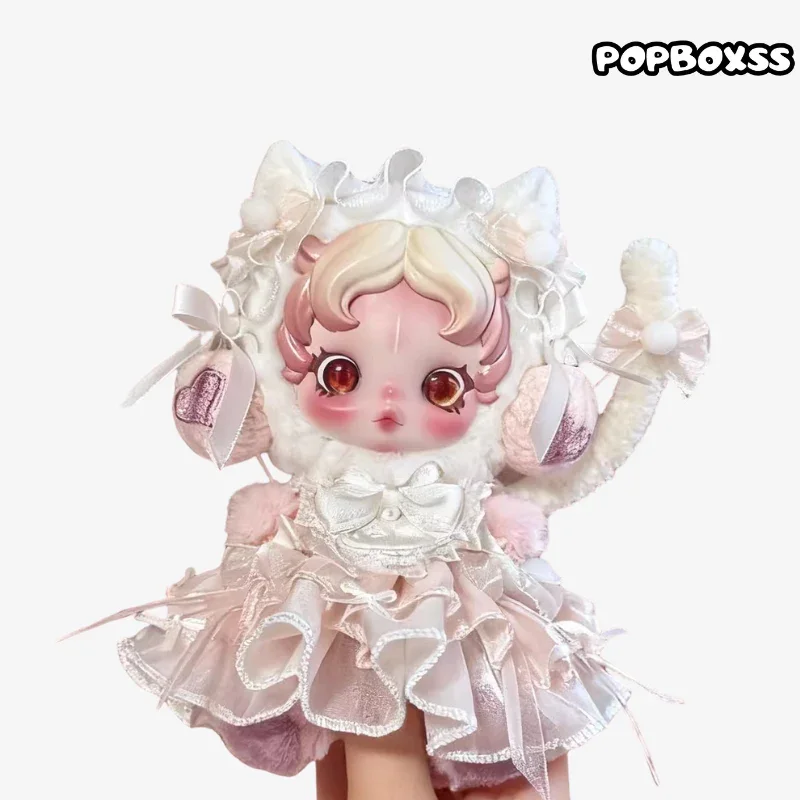
Most blind box characters rely on cuteness. Skullpanda relies on identity.
Key design traits:
That consistency makes every figure instantly recognizable, even when themes change.
Compared to softer characters like Labubu, Skullpanda feels more like a designer brand than a single toy line.
👉 Recognition is the foundation of collectibility.
Skullpanda doesn’t release random designs—it releases cohesive series.
Each series usually follows a theme:
This creates a powerful effect:
That’s why collectors are more likely to:
👉 Collectibility increases when items feel connected.
A major reason Skullpanda stands out is emotion.
Many figures represent:
Collectors are not just buying a design—they are buying a feeling or identity.
This creates:
👉 Emotional connection drives long-term collecting behavior.
Skullpanda benefits heavily from the blind box system.
Each series typically includes:
This creates:
Collectors often buy multiple boxes because:
👉 The system itself encourages collecting.
Not every Skullpanda figure stays available.
Some releases are:
Once sold out, availability drops while demand often remains.
This leads to:
👉 Scarcity is one of the oldest drivers of collectibility—and Skullpanda uses it well.
Skullpanda figures are designed to look good together, not just individually.
They often feature:
Even a partial set can look intentional on a shelf.
This matters because many collectors care about:
👉 A collectible that displays well is more likely to be kept—and expanded.
Some designer toys are too niche. Others are too generic.
Skullpanda sits in a very effective middle position:
This balance allows it to:
👉 Accessibility + uniqueness = sustainable collectibility.
Skullpanda isn’t only for toy collectors.
It also attracts:
This expands demand beyond the core collector base.
More buyers → more visibility → stronger long-term relevance.
Skullpanda is collectible because it combines multiple layers of appeal, not just one:
Many toy lines have one or two of these.
Skullpanda has all of them working together.
That’s why it doesn’t just sell—it builds collectors.

















 Hot Sales
 Trending
 PRE ORDER
 Daily updates
 BLIND BOX
 PLUSH PRENDANT
 Plush Doll
 BJD
BJD FIGURES
 MINI BEANS
 Master Collector
 Region restriction
 MEGA
MEGA Cups
Cups Phone
Phone Toy Clothes
 Bags
Bags Card Holders
 FIFA
FIFA CARTOONS
 ANIME
ANIME Disney
 Sanrio & Kitty