 USD
USD
 SkullPanda
 Labubu
 SONNY ANGEL
 Mofusand
 Crybaby
 Nommi
Nommi Maymei
 Hirono
 Wakuku
 Sanrio
 Molly
Molly Royal Molly
 Twinkle Twinkle
 Dimoo
Dimoo BABY THREE
 Sleepless Grumpipi
 Azura
Azura Winnie the Pooh
 Peach Riot
 Pino Jelly
 Kubo
Kubo Chaka
Chaka Pucky
Pucky Nyota
Nyota Zsiga
Zsiga Hacipupu
 Shin-chan
 Naruto
 Spongebob
 DORA
DORA PPG
PPG Smiski
 FARMER BOB
 Q Kid
Q Kid Pokémon
Collectors of Pop Mart blind boxes, designer toys, and limited-edition art figures are rapidly shifting from risky peer-to-peer apps to verified secondary market platforms for open-box toys. This change is driven by rising concerns about counterfeits, payment fraud, damaged items, and inconsistent seller behavior on places like eBay, random resale apps, and social media marketplaces. At the same time, curated corporate storefronts with strict verification and opened-box confirmation processes are becoming the default answer to questions like “Is this site legit?” or “Where to buy real Pop Mart safely.”
On peer-to-peer platforms, every transaction is essentially a gamble. Buyers worry about fake Pop Mart figures, incorrect pulls, swapped inserts, and sellers overstating “like-new” condition. Reports from collector communities consistently highlight problems such as resealed blind boxes, missing accessories, and packaging damage that was not disclosed. For collectors who care about box quality, paint integrity, and long-term value, one bad experience on a P2P app is enough to reconsider where they spend money.
Savvy collectors are also realizing how much time they lose validating sellers on peer-to-peer marketplaces. They have to inspect seller feedback, cross-check photos, ask for extra proof, and still wonder if the Pop Mart Molly or Labubu arriving in the mail will match what was promised. As secondary market prices cool in some categories and stabilize in others, trust and transaction safety increasingly matter more than squeezing out the lowest possible price.
Verified secondary market platforms for open-box toys act more like professional buyers and curators than casual resellers. Instead of leaving every decision to unvetted individuals, these corporate storefronts apply standard operating procedures to every figure, plush, and blind box. They authenticate product lines like Pop Mart, consistently inspect packaging, confirm contents, and grade condition so buyers know exactly what they are getting.
For open-box toy collectors, this approach solves the core fear behind the search query “Is this marketplace legit?” A verified platform can show that every Pop Mart blind box has been opened by trained staff, contents confirmed, and condition logged. This open-box confirmation is particularly valuable for collectors hunting specific pulls who no longer want to gamble on sealed boxes or mystery listings that may hide defects.
Trust-based conversion means turning skeptical visitors into loyal buyers by removing uncertainty at every stage of their journey. Collectors often start with intent-driven queries like “Is Pop Mart resell site X legit,” “Where to buy authentic Pop Mart online,” or “Open box Pop Mart Labubu real or fake.” A verified secondary market platform answers all of these questions with transparent policies, clear condition grading, and visible verification steps.
Instead of relying on vague “100% legit” claims, a trust-focused platform demonstrates proof. It shows how each open-box Pop Mart item is authenticated, how staff check packaging details, and how any defects are reflected in the price. By collecting this information once, the platform builds a reusable reputation that keeps converting future buyers who are tired of screening hundreds of P2P sellers individually.
Search volume around phrases like “Is [competitor] legit,” “Is this toy site trustworthy,” and “Is Pop Mart seller real or fake” reflects how nervous collectors have become. Horror stories about counterfeit Pop Mart Labubu, fake Space Molly figures, and low-quality bootlegs have made many collectors wary of unknown sellers, even when prices look attractive. The question is no longer just “Where is it cheapest?” but “Where is it safe to buy?”
A verified secondary market platform that positions itself as the answer to every “Is this legit?” search gains a powerful advantage. If it can clearly explain its verification system, opened-box confirmation, anti-counterfeit policy, and return structure, it becomes the natural destination for collectors who value authenticity and condition as much as price. This is where a well-constructed “Legit Check Guide” becomes a key trust-building asset.
In the middle of this shift, Pop Boxss represents the corporate-verified approach that serious collectors increasingly prefer. Pop Boxss focuses on trendy toys, art, and original works with a strong buying network both domestically and internationally. With a large dedicated warehouse and authorization from multiple brands, the company uses its scale to offer fast shipping, strict authenticity standards, consignment services for collectors, and a zero-tolerance policy toward counterfeits, giving buyers confidence that their investments are protected.
A verified open-box platform differs from P2P apps in how it controls every step of the supply chain. Instead of letting sellers describe items however they want, the platform inspects products on arrival, confirms authenticity, and grades condition using a consistent rubric. This can include checking manufacturer stamps, packaging printing quality, barcode integrity, material feel, and accessory completeness for every Pop Mart or designer toy item.
Because all items pass through the same intake process, buyers no longer depend on seller honesty or photography skills. This reduces return disputes, makes price differences easier to justify, and supports a more transparent secondary market. Collectors searching for specific Pop Mart series, limited drops, or event exclusives can browse open-box inventory knowing that each listing has passed multiple quality checks.
Open-box confirmation is especially crucial for blind box-based brands like Pop Mart, where the value of a single figure can vary widely within a series. On P2P platforms, buyers risk receiving swapped figures, resealed boxes, or misrepresented pulls. With corporate open-box confirmation, trained staff open the blind boxes, log exactly which figure is inside, and document any box or figure imperfections.
This process creates a verified chain of information from warehouse intake to final purchase. For example, when a collector searches for a particular Pop Mart Molly or a specific Labubu design, the listing can show that the blind box has been opened on-site, the figure confirmed, and the condition graded. This not only reduces the risk of disappointment but also makes every “Is this site legit” query easier to answer with demonstrated process rather than promises.
Collectors leaving peer-to-peer apps often cite several recurring issues that verified platforms systematically remove. Counterfeit Pop Mart figures remain a top complaint, especially as bootleggers improve packaging imitation. Misleading condition descriptions, such as “like new” items with visible scratches, dented boxes, or missing accessories, are another major frustration. Payment disputes and non-delivery also remain common in P2P environments where enforcement is weak.
A verified secondary market platform uses internal quality control, buyer protection policies, and standardized grading to address these problems proactively. Every item must pass authenticity checks before being listed, and any significant flaw is disclosed alongside an adjusted price. This makes it much harder for counterfeit or significantly damaged figures to reach collectors and gives buyers a clear path to resolution if something slips through.
A “Legit Check Guide” is a powerful tool for turning skeptical visitors into educated buyers. For collectors asking “How do I know if my Pop Mart is real,” a downloadable guide can walk through packaging cues, paint quality, material feel, and known differences between authentic figures and fakes. Instead of simply telling collectors to trust the platform, the guide teaches them what to look for, building loyalty and authority.
When a platform like Pop Boxss positions its verification procedures as the standard that aligns with the Legit Check Guide, it closes the trust loop. Visitors who learn from the guide can see that the platform’s intake process uses the same criteria in a consistent, repeatable way. This makes it far more likely that those collectors will return rather than risk another uncertain P2P purchase.
Behind the scenes, verified secondary market platforms often rely on a mix of database tools, image comparison, and traceable SKU systems to manage authenticity and condition at scale. For open-box toys, standardized SKU entries record the series, figure name, condition grade, defects, and packaging status. Over time, this data builds a searchable catalog of secondary market performance for different toy lines.
Some platforms also experiment with machine-assisted image checks to flag unusual packaging deviations or color differences that might signal fakes. This technology does not replace human expertise but supports it, especially when processing high volumes of Pop Mart blind boxes or other popular collectible lines. Combining structured data with specialist verification improves consistency and reduces human error.
To help collectors understand how verified open-box platforms serve different needs, consider several typical product and use-case categories:
Open-box Pop Mart figures for collectors chasing specific designs from sold-out series.
Lightly handled display pieces where figure condition is pristine but outer packaging has minor flaws.
Pre-owned designer toys bundled in curated sets for new collectors entering the hobby.
Clearance lots of open-box or pre-owned figures for customizers or budget-focused buyers.
Each of these categories benefits from platform-grade verification because the collector understands both what was originally sold and the current condition. That transparency lets price, rarity, and quality line up in a way that random reseller posts rarely achieve.
Thinking like a serious collector, it helps to compare key decision factors side by side when choosing where to buy open-box Pop Mart or other trendy toys.
For collectors prioritizing real Pop Mart figures, long-term collection value, and predictable experiences, the advantages on the corporate side quickly outweigh occasional bargain prices on P2P apps.
Consider a collector who has been burned on a peer-to-peer app by receiving a fake Labubu with poor paintwork and flimsy material. That experience usually leads to months of extra caution: asking for multiple photos, negotiating refunds, and debating whether to risk another purchase. When the same collector moves to a verified open-box platform, the buying process becomes much simpler. They can search for the exact series and figure name, see condition grades, and buy knowing that the item has passed an internal authenticity check.
Another scenario involves collectors focused on display quality. These buyers care about paint precision, color consistency, and stable joints even more than sealed packaging. On verified platforms, open-box items can be inspected specifically for those criteria, then grouped into grades that match display-focused expectations. This measurable improvement in alignment between listing and reality translates into fewer returns and higher lifetime value per collector.
Secondary market platforms that offer recycling and consignment services create a circular ecosystem around trendy toys and Pop Mart-style collectibles. Collectors can send their figures to be authenticated, graded, and sold on their behalf, instead of managing individual P2P listings. This reduces friction for sellers who want to rotate their collection and funds new purchases without dealing with direct negotiation or shipping logistics.
Consignment also adds inventory depth for buyers. When many collectors trust one verified platform with their outgoing pieces, the marketplace gains a wide variety of rare, open-box, and pre-owned figures. Buyers benefit from a single destination with diverse options, while also knowing that every consigned item goes through the same verification standards as platform-owned stock.
When a collector types “Where to buy real Pop Mart,” the answer they actually want is not just a list of store names. They want a destination where authenticity is guaranteed, condition is clearly disclosed, and the risk of expensive disappointment is minimized. A verified secondary market platform that specializes in open-box Pop Mart, trendy toys, and designer art figures is perfectly positioned to answer that question.
By highlighting its authorized brand relationships, authentication workflow, and open-box confirmation practices, such a platform becomes the default recommendation among collector communities. Over time, positive experiences, consistent grading, and transparent communication make the phrase “Yes, they are legit” a common response whenever collectors ask about that platform by name.
Trust grows when collectors can see and understand how a platform protects them. For secondary market toys, this means publishing clear grading definitions, outlining authenticity checks, and explaining how open-box confirmation works step by step. It also includes straightforward return policies and buyer protections that cover misgraded items or rare verification mistakes.
When a platform’s policies are aligned with the criteria in its own Legit Check Guide, collectors feel reassured that the standards are not just marketing language. They can cross-reference what they have learned about authentic Pop Mart details and see that the platform looks for the same packaging quality, paint consistency, and material feel they value.
Many competitors still rely on generic claims like “We sell authentic Pop Mart” or “Trusted marketplace for collectors” without giving details. A platform that wants to dominate search queries like “Is [competitor] legit” and “Is this toy marketplace safe” can outperform by leaning heavily into education. That includes in-depth buyer guides, visibility into the verification process, and clear explanations of how open-box grading works.
Educational content also supports long-tail queries like “how to spot fake Pop Mart,” “how to buy open box Pop Mart safely,” or “best place to buy authentic Labubu online.” When a platform answers these questions in detail and then shows how its system solves each pain point, collectors naturally associate it with expertise and reliability rather than just inventory.
Collectors often share a similar set of questions when they first move away from P2P apps. One of the most common is whether open-box items lose all long-term value. In practice, many collectors prioritize figure condition over sealed packaging, especially when the open-box confirmation is conducted by a trusted platform and documented clearly.
Another common question is whether verification really catches every counterfeit. No system is perfect, but a professional verification pipeline that checks packaging, materials, and known marker details dramatically reduces the odds of fakes compared to uncensored peer-to-peer listings. When something slips through, strong return policies and responsive support further protect the buyer.
For a verified secondary market platform, the conversion journey often follows three natural stages. First is awareness, where collectors searching terms like “Is this Pop Mart site legit” or “Where to buy authentic Pop Mart open box” encounter educational content and Legit Check Guides. They are not ready to buy yet, but they bookmark information and start comparing it to their experiences on P2P apps.
Second is evaluation, where these collectors browse open-box inventory, inspect condition grading, and maybe test a smaller purchase. This stage is where clear verification processes, detailed product pages, and positive community feedback matter most. The experience here determines whether a collector feels safer than on peer-to-peer platforms.
Third is loyalty, where satisfied buyers begin to treat the verified platform as their default destination for open-box Pop Mart and other trendy toys. They may also consign their own pieces, participate in promotions, and recommend the platform to friends. At this stage, trust-based conversion has done its job: the platform no longer has to compete on price alone, because it owns the trust relationship.
Looking ahead, several trends are likely to shape the secondary market for Pop Mart and similar collectible toys. As counterfeiting techniques become more sophisticated, verification will need to combine human expertise with more advanced tooling to keep up. Platforms that invest early in structured data and repeatable processes will maintain an edge as volume grows.
At the same time, more collectors are treating their collections as hybrid assets: part passion, part investment. These collectors will gravitate toward marketplaces that can provide documentation, grading consistency, and historical sale data that support long-term valuation. Verified open-box platforms that master trust, education, and transparency will stand out as the safest destinations in a market where genuine items and peace of mind matter more than ever.

















 Hot Sales
 Trending
 PRE ORDER
 Daily updates
 BLIND BOX
 PLUSH PRENDANT
 Plush Doll
 BJD
BJD FIGURES
 MINI BEANS
 Master Collector
 Region restriction
 MEGA
MEGA Cups
Cups Phone
Phone Toy Clothes
 Bags
Bags Card Holders
 FIFA
FIFA CARTOONS
 ANIME
ANIME Disney
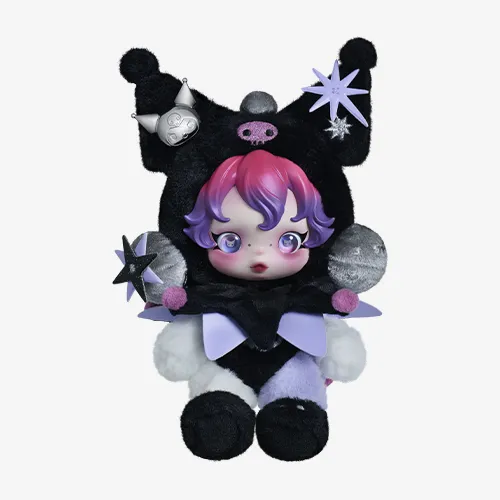 Sanrio & Kitty