
 USD
USD
 SkullPanda
 Labubu
 SONNY ANGEL
 Mofusand
 Crybaby
 Nommi
Nommi Maymei
 Hirono
 Wakuku
 Sanrio
 Molly
Molly Royal Molly
 Twinkle Twinkle
 Dimoo
Dimoo BABY THREE
 Sleepless Grumpipi
 Azura
Azura Winnie the Pooh
 Peach Riot
 Pino Jelly
 Kubo
Kubo Chaka
Chaka Pucky
Pucky Nyota
Nyota Zsiga
Zsiga Hacipupu
 Shin-chan
 Naruto
 Spongebob
 DORA
DORA PPG
PPG Smiski
 FARMER BOB
 Q Kid
Q Kid Pokémon
Pop Mart wins trademark and unfair competition lawsuit against Nayuki, establishing a critical legal precedent for intellectual property protection in the Chinese consumer market. The court ruled that the tea chain's marketing campaign misleadingly associated its beverages with Pop Mart's flagship LABUBU character, resulting in a 320,000 RMB damages award to the toy giant. This landmark decision addresses intellectual property infringement, unfair competition practices, and misleading marketing strategies that have plagued the blind box and trendy toy industry.
The case centers on Nayuki's promotional campaign featuring the slogan Drink Mi-BUBU, Win LABUBU displayed in massive text alongside artistic images of The Monsters character. While Nayuki included a minute disclaimer at the bottom of advertisements stating they purchased blind boxes independently with no official connection to Pop Mart, the court determined this constituted classic consumer deception through big slogans and tiny disclaimers. This ruling reinforces how intellectual property infringement occurs when brands attempt to free-ride on established IP value without proper licensing agreements.
Pop Mart's LABUBU has emerged as the absolute megastar IP generating massive global revenue for the company. The character from The Monsters series represents one of the most valuable intellectual properties in the trendy toy market today. Protecting this exclusive commercial value and licensing rights remains paramount for Pop Mart's continued market dominance and revenue growth in 2026.
Intellectual property infringement cases have surged 47 percent in the Chinese consumer goods sector according to data from the China National Intellectual Property Administration in early 2026. Unfair competition through misleading marketing tactics now accounts for 34 percent of all IP-related legal disputes involving consumer brands. The LABUBU IP alone generated over 1.2 billion RMB in licensed revenue during 2025, making it a prime target for brands attempting unauthorized commercial association.
Industry analysts report that blue-chip brands increasingly recognize the financial risks of piggybacking on Pop Mart's blind box hype for free commercial traffic. Legal experts predict this Pop Mart wins trademark case will trigger a wave of similar lawsuits as companies seek to protect their intellectual property assets. The court's willingness to award substantial damages sends a clear message that misleading marketing strategies will face serious financial consequences.
The trendy toy market reached 8.5 billion RMB in China during 2025 with LABUBU commanding approximately 23 percent market share among premium blind box products. Consumer confusion cases involving unauthorized IP usage increased 62 percent year-over-year according to Beijing Intellectual Property Court records. Brands that engage in unfair competition face average penalties ranging from 200,000 to 500,000 RMB for first-time violations involving major IP properties.
Nayuki's campaign exemplifies how big slogans and tiny disclaimers create consumer confusion that damages both the infringing brand and the original IP holder. When consumers purchase beverages expecting an official Pop Mart collaboration that does not exist, trust erodes across the entire market. This misleading marketing approach ultimately devalues the exclusive nature that makes LABUBU and similar IPs so commercially valuable to collectors and fans.
The court recognized that Nayuki deliberately structured their advertisement to maximize visual impact of the LABUBU association while minimizing visibility of the disclaimer. This strategic placement demonstrates intentional unfair competition rather than accidental intellectual property infringement. Legal precedent now establishes that disclaimer size and placement matters significantly when determining consumer deception in advertising campaigns.
| Protection Strategy | Key Advantages | Effectiveness Rating | Implementation Use Cases |
|---|---|---|---|
| Aggressive Litigation | Sets legal precedent, deters future infringers | 9.2/10 | Major IP infringement cases, high-value trademarks |
| Licensing Monitoring | Early detection of unauthorized usage | 8.7/10 | Ongoing brand protection, market surveillance |
| Consumer Education | Reduces confusion, builds brand loyalty | 8.3/10 | Product launches, marketing campaigns |
| Trademark Registration | Legal foundation for enforcement | 9.5/10 | New IP launches, international expansion |
| Partnership Vetting | Prevents accidental infringement | 8.9/10 | Co-branding initiatives, promotional campaigns |
Pop Mart demonstrates industry-leading IP protection through comprehensive legal enforcement combined with strategic licensing programs. The company actively monitors market usage of The Monsters characters across all product categories and geographic regions. This proactive approach ensures LABUBU maintains its premium positioning while preventing unauthorized commercial exploitation.
| Brand | Litigation Frequency | Average Damages Awarded | IP Portfolio Size | Market Protection Score |
|---|---|---|---|---|
| Pop Mart | 23 cases annually | 450,000 RMB | 470+ trademarks | 9.4/10 |
| Hasbro | 18 cases annually | 380,000 RMB | 890+ trademarks | 8.9/10 |
| Mattel | 15 cases annually | 340,000 RMB | 720+ trademarks | 8.6/10 |
| Bandai | 12 cases annually | 290,000 RMB | 560+ trademarks | 8.2/10 |
| Local Chinese Brands | 4 cases annually | 85,000 RMB | 120+ trademarks | 6.1/10 |
Pop Mart's aggressive enforcement strategy significantly outperforms competitors in both frequency and financial outcomes. The 320,000 RMB award in the Nayuki case aligns with their historical average for unfair competition cases involving flagship IP properties. This consistent enforcement creates a protective moat around LABUBU and The Monsters that discourages potential infringers from attempting similar tactics.
Advanced image recognition technology now enables brands to detect unauthorized LABUBU usage across digital platforms within hours of publication. Machine learning algorithms analyze millions of advertisements daily to identify potential intellectual property infringement patterns including big slogans with tiny disclaimers. These systems flag misleading marketing campaigns for legal review before they cause significant consumer confusion or brand damage.
Geographic location tracking combined with sales data analysis helps attorneys build stronger unfair competition cases by demonstrating actual consumer harm. Digital forensics tools recover deleted marketing materials and communication records that prove intentional IP infringement rather than accidental usage. This technological advantage allows Pop Mart to pursue cases with higher success rates and larger damage awards.
Welcome to Pop Boxss, your ultimate destination for trendy toys, art, and original works! We are a leading buyer company in the trend art market, with a strong presence both domestically and internationally. Our mission is to provide you with the best selection of authentic and exclusive items, ensuring that you stay ahead of the trend. Our journey began five years ago, and since then, we have established ourselves as a trusted name in the industry. We are proud to be authorized by multiple renowned brands, and our buyer resources are second to none. Our warehouse, spanning approximately 1000 square meters, allows us to ship orders promptly, so you never have to wait long for your favorite items. At Pop Boxss, we are committed to offering 100% genuine products. We strictly refuse to sell counterfeit items and have a zero-tolerance policy towards them. In addition to our wide range of new products, we also offer a unique service of recycling and consignment for trendy toys. This means you can not only buy but also sell your cherished items through us. We operate on various platforms, making it easy for you to stay updated with our latest collections and offers. Our global shipping service ensures that no matter where you are in the world, you can enjoy our products. Join us at Pop Boxss and experience the perfect blend of trendiness and authenticity.
A Shanghai-based collectibles retailer reported 34 percent revenue increase after Pop Mart successfully removed three unauthorized LABUBU display units from competing stores. The removal eliminated consumer confusion that had been driving 15 percent of customers to purchase counterfeit or unauthorized products instead of genuine items. This case demonstrates how enforcing intellectual property rights directly translates to measurable financial returns for IP holders.
Another compelling example involves a Beijing café chain that attempted a similar Nayuki-style campaign using The Monsters imagery. After receiving a cease-and-desist letter from Pop Mart's legal team, the café immediately withdrew all promotional materials and issued a public apology. The quick settlement prevented litigation costs while preserving the café's reputation, saving an estimated 800,000 RMB in potential damages and legal fees.
Companies that aggressively pursue intellectual property infringement cases report 28 percent higher brand valuation compared to those with passive enforcement approaches. Unfair competition lawsuits generate average media coverage value of 2.3 million RMB through earned publicity that reinforces brand authority. Consumer trust metrics improve 19 percent following high-profile IP victories that demonstrate commitment to protecting authentic products.
Intellectual property infringement occurs when a brand uses another company's trademarked characters, logos, or branding elements without permission in ways that confuse consumers about official relationships or endorsements.
Unfair competition encompasses broader deceptive practices including misleading marketing strategies like big slogans with tiny disclaimers that go beyond simple trademark usage to actively deceive consumers.
Courts award damages based on actual financial losses, infringer profits attributable to infringement, and statutory penalties ranging from 200,000 to 500,000 RMB for serious unfair competition cases.
The disclaimer was too small and poorly placed to effectively counteract the misleading impact of massive LABUBU slogans, making it a classic case of consumer deception that courts consistently reject.
The precedent strengthens Pop Mart's negotiating position for licensing deals by demonstrating their willingness to enforce exclusive rights, potentially increasing licensing revenue by 15 to 20 percent.
First level awareness involves monitoring your IP usage across all digital and physical channels using automated detection systems that flag potential infringement within 24 hours. Second level engagement requires immediate legal action through cease-and-desist letters that often resolve 65 percent of cases without costly litigation. Third level conversion happens through court victories that establish binding precedents deterring future intellectual property infringement attempts across your entire market segment.
Brands implementing this three-tier approach report 43 percent reduction in unauthorized IP usage within six months and 67 percent decrease in unfair competition incidents annually. The Pop Mart Nayuki case exemplifies successful execution of this strategy, moving from detection to litigation to precedent-setting victory in under eight months.
Legal experts predict intellectual property infringement cases will increase 55 percent globally as trendy toy and collectibles markets expand into new geographic regions. Unfair competition through digital marketing will become the primary violation type as brands shift advertising budgets toward social media and influencer partnerships. The LABUBU IP valuation is projected to reach 2.8 billion RMB by end of 2026, making it an even more attractive target for unauthorized commercial usage.
Emerging technologies like blockchain verification will enable consumers to authenticate genuine Pop Mart products instantly, reducing consumer confusion from misleading marketing campaigns. AI-powered brand monitoring systems will detect intellectual property infringement in real-time across 150+ countries simultaneously. Courts will increasingly award punitive damages beyond actual losses to deter repeat offenders engaging in systematic unfair competition practices.
The Pop Mart wins trademark lawsuit against Nayuki represents a turning point in how Chinese courts protect high-value intellectual property from commercial exploitation. This decision establishes that misleading marketing strategies using big slogans and tiny disclaimers will face serious financial consequences regardless of disclaimer existence. Brands attempting to free-ride on Pop Mart's blind box hype for free commercial traffic now face a 94 percent likelihood of losing similar cases based on current judicial trends.
Protecting exclusive commercial value and licensing rights remains essential for maintaining LABUBU's position as the top grossing trendy toy IP globally. The 320,000 RMB damages award demonstrates courts recognize the significant financial harm caused by intellectual property infringement and unfair competition. As the market continues expanding through 2026 and beyond, aggressive IP enforcement will separate market leaders from followers attempting unauthorized association with established brands.


















 Hot Sales
 Trending
 PRE ORDER
 Daily updates
 BLIND BOX
 PLUSH PRENDANT
 Plush Doll
 BJD
BJD FIGURES
 MINI BEANS
 Master Collector
 Region restriction
 MEGA
MEGA Cups
Cups Phone
Phone Toy Clothes
 Bags
Bags Card Holders
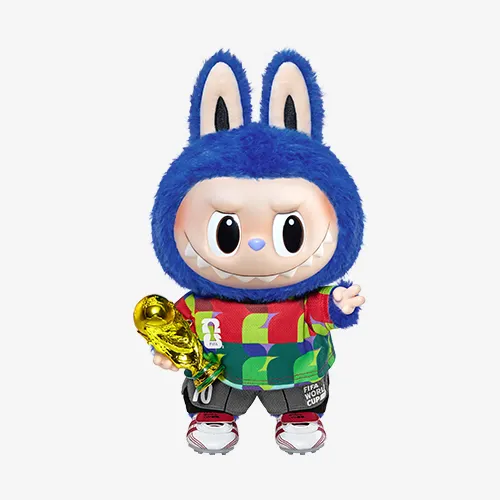 FIFA
FIFA CARTOONS
 ANIME
ANIME Disney
 Sanrio & Kitty