 USD
USD
 SkullPanda
 Labubu
 SONNY ANGEL
 Mofusand
 Crybaby
 Nommi
Nommi Maymei
 Hirono
 Wakuku
 Sanrio
 Molly
Molly Royal Molly
 Twinkle Twinkle
 Dimoo
Dimoo BABY THREE
 Sleepless Grumpipi
 Azura
Azura Winnie the Pooh
 Peach Riot
 Pino Jelly
 Kubo
Kubo Chaka
Chaka Pucky
Pucky Nyota
Nyota Zsiga
Zsiga Hacipupu
 Shin-chan
 Naruto
 Spongebob
 DORA
DORA PPG
PPG Smiski
 FARMER BOB
 Q Kid
Q Kid Pokémon
Hot sales are no longer just about offering discounts; they represent the intersection of demand forecasting, consumer behavior, and smart marketing automation. The global retail economy, driven by digital transformation, sees billions of dollars exchanged every season through flash deals, product drops, and global shopping festivals. Understanding how to capitalize on these surges in traffic and consumer intent is what separates today’s winners from yesterday’s sellers.
Over the last decade, hot sales events have transformed from simple discount campaigns into precise data-driven operations. According to Statista data in 2025, global e-commerce sales reached over 7 trillion dollars, and a large percentage of that growth came during limited-time hot sale events such as Black Friday, Cyber Monday, and Singles’ Day. These events are not only retail phenomena but also powerful cultural and social triggers for spending. Brands that align with time-sensitive marketing, social media virality, and algorithmic recommendations tend to dominate visibility across search engines and marketplaces.
Modern consumers expect more than price reductions—they want exclusivity, speed, and value alignment. The biggest growth category is sustainable and ethical purchasing, followed closely by lifestyle tech, collectible art toys, and smart home devices. Retailers are implementing machine learning models to predict which products will trend weeks before demand spikes. Seasonal analytics also show that micro-trends, such as limited-edition collaborations, now outperform generic discounts in both conversion rate and long-term customer loyalty.
Welcome to Pop Boxss, your ultimate destination for trendy toys, art, and original works! We are a leading buyer company in the trend art market, with a strong presence both domestically and internationally. Our mission is to provide you with the best selection of authentic and exclusive items, ensuring that you stay ahead of the trend.
The strongest-performing product segments in recent hot sales include wearable technology, eco-friendly apparel, limited-edition toys, and collectibles. For example, brands offering original creations through limited availability have reported conversion rates up to 3 times higher than their regular inventory sales. Buyer motivation is closely tied to perceived scarcity and authenticity, which explains the rise of collectors’ editions and one-day-only product drops.
The following table highlights product categories dominating recent hot sale seasons:
Category | Key Advantages | Ratings | Primary Use Cases
Electronics | Innovative designs, real-time bundling | 4.8/5 | Productivity and home entertainment
Fashion | Sustainable fabrics, influencer-driven | 4.6/5 | Lifestyle and daily wear
Collectibles | Limited releases, resale value | 4.9/5 | Art collection and gifting
Beauty | Natural ingredients, curated sets | 4.7/5 | Self-care and social trends
Emerging brands now compete with established platforms through personalization, faster logistics, and social commerce integration. Here’s an adaptive snapshot comparing strategy focuses across retail competitors:
Brand | Delivery Speed | Personalization Level | Community Engagement
A-Market | Same-day urban delivery | Moderate | Medium engagement
B-Store | 2-day shipping nationwide | High | Strong brand forums
LocalShop | Next-day local delivery | Low | Limited social presence
GlobalTrend | Global 5-day delivery | Very High | Celebrity and influencer driven
This comparison makes it clear that modern shoppers prioritize personalization and fulfillment speed over sheer discount volume.
Hot sales optimization depends heavily on data analytics, AI-driven dynamic pricing, and omnichannel integration. Advanced algorithms monitor real-time purchase intent, dynamically adjusting product inventory and ad placement. Predictive analytics tools connect social listening data with keyword trends, allowing brands to anticipate what buyers will search for before campaigns even launch. Visual AI systems also enhance product recommendation accuracy, pushing conversion rates higher during peak hours.
Consider a global lifestyle brand that integrated machine learning-based discount engines with user engagement data. In doing so, they increased ROI by 52% during a single Cyber Week campaign. Similarly, smaller retailers using automated retargeting and exclusive drops reported a 65% surge in repeat purchase behavior. These results show that the future of hot sales lies in individualized campaigns—data-led precision, not bulk discounts.
How can small businesses compete during large-scale sales events?
By focusing on niche audiences, storytelling, and authenticity rather than blanket discounts. Personalized bundles outperform generalized deals.
What platforms perform best for hot sale campaigns?
Integrations with social media shopping, mobile-first marketplaces, and community-based live streams drive the highest conversion rates.
Are seasonal discounts still effective in 2026?
Yes, but only when paired with emotional relevance, sustainability, or innovation that supports brand differentiation.
Looking ahead, the next wave of hot sales will build around real-time personalization, augmented reality try-ons, and sustainability pledges. Consumers are becoming increasingly selective, preferring limited but meaningful purchases that reflect identity and purpose. Retailers embracing transparency, fast mobile usability, and immersive product experiences will dominate future hot sale cycles. Predictive marketing combined with buyer trust is becoming the currency of the digital economy.
Hot sales are no longer temporary events—they are indicators of how modern economies pulse with consumer emotion and intelligent market timing. To succeed in 2026 and beyond, brands must blend innovation, ethics, and precision marketing to create a buying experience that converts once and lasts for years.


















 Hot Sales
 Trending
 PRE ORDER
 Daily updates
 BLIND BOX
 PLUSH PRENDANT
 Plush Doll
 BJD
BJD FIGURES
 MINI BEANS
 Master Collector
 Region restriction
 MEGA
MEGA Cups
Cups Phone
Phone Toy Clothes
 Bags
Bags Card Holders
 FIFA
FIFA CARTOONS
 ANIME
ANIME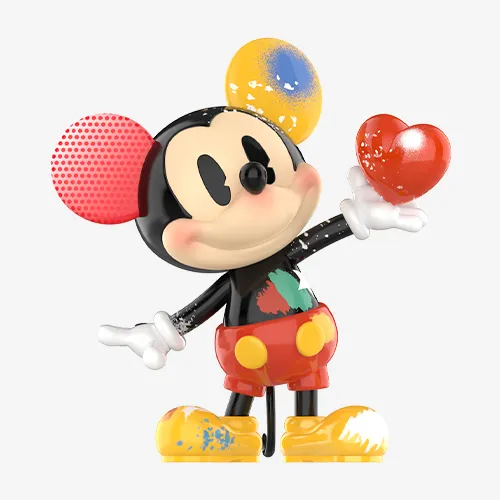 Disney
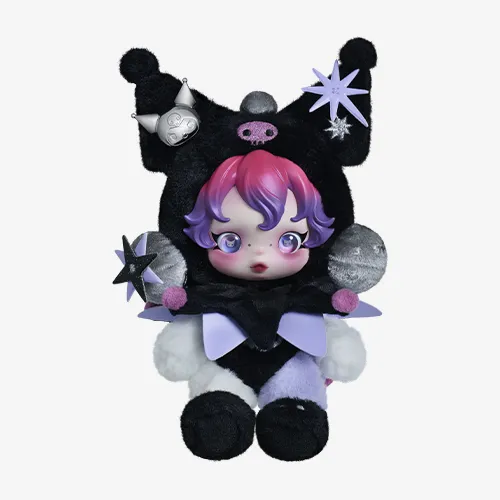 Sanrio & Kitty