 USD
USD
 SkullPanda
 Labubu
 SONNY ANGEL
 Mofusand
 Crybaby
 Nommi
Nommi Maymei
 Hirono
 Wakuku
 Sanrio
 Molly
Molly Royal Molly
 Twinkle Twinkle
 Dimoo
Dimoo BABY THREE
 Sleepless Grumpipi
 Azura
Azura Winnie the Pooh
 Peach Riot
 Pino Jelly
 Kubo
Kubo Chaka
Chaka Pucky
Pucky Nyota
Nyota Zsiga
Zsiga Hacipupu
 Shin-chan
 Naruto
 Spongebob
 DORA
DORA PPG
PPG Smiski
 FARMER BOB
 Q Kid
Q Kid Pokémon
The world of collectible toys has rapidly transformed from a niche hobby into a global art movement. A designer toy store today is not just a retailer—it’s a cultural hub connecting collectors, artists, and toy brands that define modern pop art. Whether you’re new to urban vinyl figures or a seasoned collector of resin sculptures, understanding the evolving landscape of designer toy stores can help you make smarter purchasing and investing decisions in this fast-growing market.
Designer toys, also known as art toys or collectible figures, first emerged in the 1990s when independent artists began creating limited-edition vinyl pieces as expressions of personal creativity. The culture expanded rapidly across Asia, the United States, and Europe, fueled by collaborations with contemporary artists, graffiti designers, and luxury brands. Today’s designer toy stores curate everything from blind box series and soft vinyl kaiju figures to resin art statues and cross-brand collaborations featuring painters and digital creators. What distinguishes these toys is authenticity—each piece conveys a story, emotion, or artistic vision that resonates with collectors and fans alike.
According to global toy industry reports in 2025, the designer toy market surpassed one billion dollars in annual sales and continues to grow year over year. Limited-edition releases create hype-driven demand while encouraging collectors to trade, resell, and display their favorite art pieces both online and at conventions. Social media platforms now act as discovery engines, helping collectors connect directly with designer toy stores and upcoming drops. The intersection of fandom, art, and investment value fuels this trend—as more collectors view these toys as a fusion of art ownership and cultural participation.
From handcrafted resin sculpts to mass-produced blind boxes, designer toy stores showcase a vast range of art toys. Some of the most sought-after categories include urban vinyl, sofubi figures, mechanical sculptures, plush art collectibles, and limited-series collaborations between brands and artists. Collectors value exclusivity and originality, which makes each toy’s design story crucial to its long-term value. A successful designer toy store must expertly curate brands, partnerships, and release schedules that balance accessibility with rarity.
Welcome to Pop Boxss, your ultimate destination for trendy toys, art, and original works! We are a leading buyer company in the trend art market, with a strong presence both domestically and internationally. Our mission is to provide you with the best selection of authentic and exclusive items, ensuring that you stay ahead of the trend.
The best designer toy stores blend authenticity, curation, and community. These stores handpick collectibles from respected artists, emerging talents, and major brands, ensuring every piece remains true to the spirit of art toy culture. They maintain strict quality control, offer transparent pricing, and provide collectors with access to exclusive drops and event collaborations. Stores that offer global shipping, membership rewards, and secure resale options tend to attract loyal international audiences who value both convenience and credibility.
| Brand Name | Style Focus | Popularity | Notable Releases | Collector Appeal |
|---|---|---|---|---|
| Kidrobot | Urban & graffiti-inspired vinyl | High | Dunny Series | Artistic collectibility |
| Medicom Toy | Cultural collaborations | Very High | BE@RBRICK | Designer art crossover |
| Mighty Jaxx | Digital art & pop culture | Rising | XXRAY Series | Modern pop fusion |
| POP MART | Blind boxes & kawaii art | Mainstream High | DIMOO, MOLLY | Mass appeal & affordability |
These brands represent the core of contemporary designer toy store inventories, offering variety for every type of collector.
For many enthusiasts, collecting designer toys is not just a passion—it’s an investment. Some limited pieces appreciate significantly in secondary markets, where collector demand, rarity, and condition dictate pricing. Expert collectors often track release calendars, follow toy conventions, and maintain long-term relations with reputable designer toy stores to secure early access to limited drops. Owning original pieces from recognized artists or first collaborations can yield impressive returns over time.
The next decade will see further integration between digital assets and physical collectibles. Designer toy stores are already experimenting with augmented reality packaging, NFT-linked ownership certificates, and artist-driven limited digital releases. This merging of virtual and tangible artistry promises to redefine how collectors safeguard authenticity and engage with creators globally.
When purchasing from any designer toy store, it’s essential to verify authenticity, research the artist’s reputation, and understand edition sizes. Choose reputable stores with transparent sourcing, secure shipping, and responsive customer service. Beware of counterfeit toys or unauthorized sellers—buying from approved distributors ensures both collectible value and peace of mind.
Many collectors describe their designer toy journeys as deeply personal. A Los Angeles-based collector recently shared how curating a small shelf of vinyl art pieces transformed his workspace into a daily source of inspiration. Another in Tokyo noted how participating in store-exclusive releases allowed him to meet like-minded fans and even collaborate with independent creators. The sense of identity and connection built through designer toy communities is often as meaningful as the objects themselves.
Designer toy stores thrive when they create immersive experiences, from launch events and artist signings to interactive exhibitions. These spaces turn retail into storytelling—allowing visitors to feel the creative energy behind each piece. Many stores also host online clubs or app-based platforms where members can trade, review, and showcase their collections. This shift from traditional retail to cultural engagement defines the modern art toy ecosystem.
Looking ahead, expect continued growth in limited-edition drops, eco-conscious materials, and cross-platform artist collaborations. Sustainability is becoming a central theme as designers experiment with recycled vinyl and biodegradable resin. Globalization of art toy culture means designer toy stores will continue expanding into new markets while maintaining ties with established collectors. Industry research predicts that collaborations between luxury brands, street artists, and toy designers will remain a dominant trend well into 2030.
A designer toy store today represents more than a place to buy collectibles—it’s an intersection of art, craftsmanship, and lifestyle. As the community expands and creativity pushes new boundaries, both novice and veteran collectors will find themselves immersed in a world that blends passion with innovation. Whether you’re looking to build a serious collection or discover limited-edition gifts, exploring the designer toy universe opens endless opportunities for expression and value.
















 Hot Sales
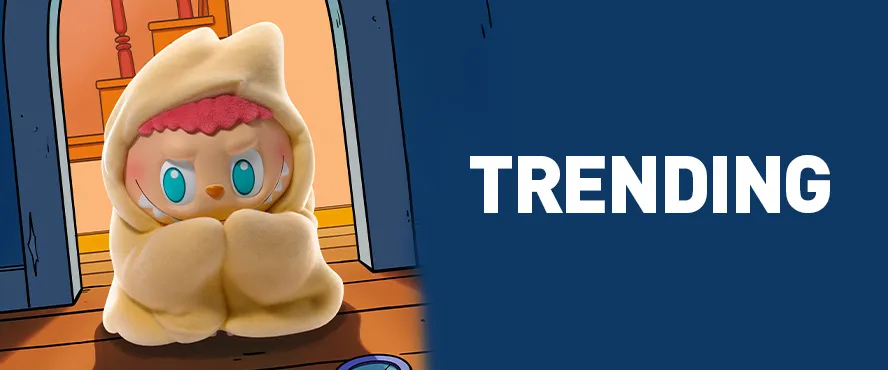 Trending
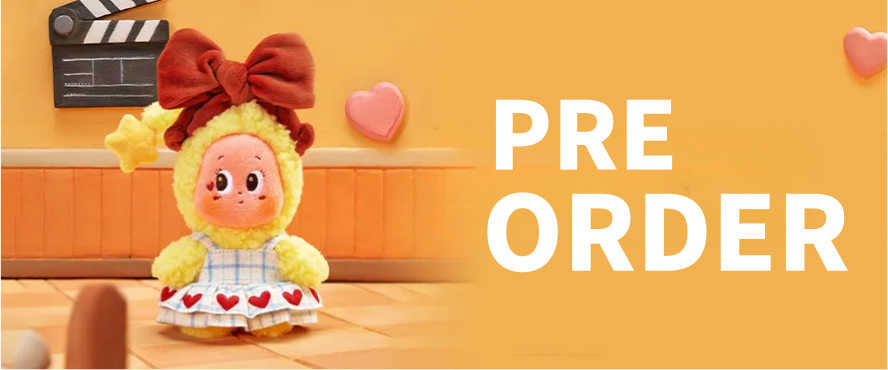 PRE ORDER
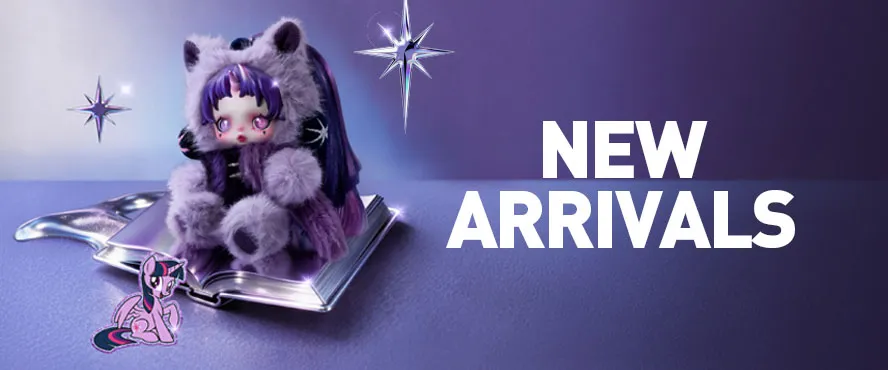 Daily updates
 BLIND BOX
 PLUSH PRENDANT
 Plush Doll
 BJD
BJD FIGURES
 MINI BEANS
 Master Collector
 Region restriction
 MEGA
MEGA Cups
Cups Phone
Phone Toy Clothes
 Bags
Bags Card Holders
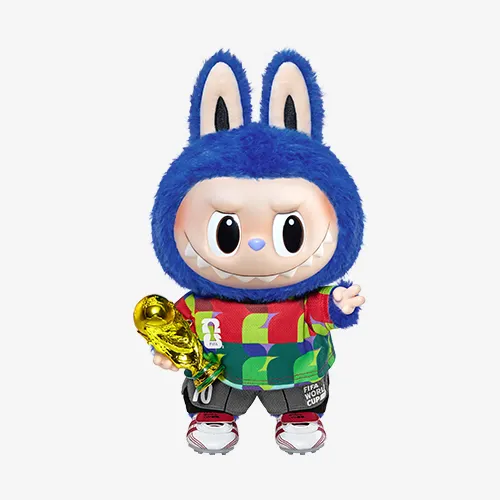 FIFA
FIFA CARTOONS
 ANIME
ANIME Disney
 Sanrio & Kitty