
 USD
USD
 SkullPanda
 Labubu
 SONNY ANGEL
 Mofusand
 Crybaby
 Nommi
Nommi Maymei
 Hirono
 Wakuku
 Sanrio
 Molly
Molly Royal Molly
 Twinkle Twinkle
 Dimoo
Dimoo BABY THREE
 Sleepless Grumpipi
 Azura
Azura Winnie the Pooh
 Peach Riot
 Pino Jelly
 Kubo
Kubo Chaka
Chaka Pucky
Pucky Nyota
Nyota Zsiga
Zsiga Hacipupu
 Shin-chan
 Naruto
 Spongebob
 DORA
DORA PPG
PPG Smiski
 FARMER BOB
 Q Kid
Q Kid Pokémon
Sonny Angel and similar micro-collectibles are dominating social media and desk setups by tapping into Gen Z's desire for affordable, aesthetically-driven self-expression. They transform workspaces into curated displays of personality, fostering community through the thrill of the blind box unboxing and the joy of customization within a minimalist, pastel-friendly aesthetic.
The appeal is rooted in a blend of affordable luxury, digital identity curation, and community belonging. For a generation facing economic pressures, these small items offer a tangible reward and sense of ownership. They serve as physical tokens for online personas, while the shared experience of collecting and trading fosters deep social connections in niche communities.
The psychology here is multifaceted, merging the tangible with the digital in a uniquely modern way. At its core, the micro-collectible trend offers a form of accessible indulgence. In an era of digital saturation and financial uncertainty for many young adults, acquiring a small, beautifully designed figure for a modest sum provides a concrete sense of reward and control. This isn't just shopping; it's a curated act of self-expression. Each figure becomes a pixel in a larger portrait of one's identity, strategically placed in a desk setup photo or an unboxing video to communicate specific tastes and affiliations. The blind box mechanism cleverly leverages variable reward schedules, a powerful psychological trigger that makes each purchase a thrilling mini-event with the potential for a coveted "chase" item. Doesn't this transform a simple transaction into an experience? Furthermore, these objects become social currency. Trading duplicates, discussing series lore, and showcasing collections on platforms like TikTok or Instagram create tight-knit communities. It's a shared language of cuteness and discovery. Consequently, what might appear as a simple toy is actually a sophisticated tool for identity construction, social bonding, and managing modern-day anxieties through small, joyful rituals.
These brands masterfully design for the grid, creating products that are photogenic, minimalist, and color-coordinated. Their figures often feature neutral or pastel palettes, simple shapes, and subtle details that complement popular backdrop trends like clean desks, marble surfaces, and warm lighting. This intentional design ensures they seamlessly integrate into and elevate the carefully composed visual narratives of lifestyle content.
The curation is a deliberate process that begins with product design and extends to how it's presented and shared. Brands like Sonny Angel and Pop Mart produce figures with a consistent scale, a muted color palette often featuring creams, pastels, and earthy tones, and clean, rounded forms. This design language isn't accidental; it's engineered for visual harmony. They are meant to sit beside a pastel keyboard, a minimalist notebook, or a sleek monitor without clashing. Think of them as the perfect accent pillow for your digital workspace—small, intentional, and style-defining. The packaging itself is often part of the aesthetic, with egg-shaped blind boxes that have become iconic. When unboxed, the ritual is performed on a neutral-toned desk mat under ring light, creating content that is as much about the ambiance as the product. This creates a feedback loop: brands supply the aesthetic objects, influencers and collectors create the aspirational content using them, and new consumers buy into that lifestyle. How does this cycle perpetuate the trend? It turns a collectible into a staple of a broader visual culture. Therefore, owning these items becomes a way to participate in and signal membership to a specific, aesthetically-driven online community.
While both operate on a blind box model, their ecosystems diverge in scale, character universe, and cultural footprint. Sonny Angel focuses on a singular, cherubic character with endless themed variations, fostering a minimalist and consistent collection aesthetic. Pop Mart, in contrast, hosts a vast multiverse of licensed and original IPs like Molly and Dimoo, catering to diverse tastes and enabling deeper narrative engagement across a wider product range.
| Feature | Sonny Angel | Pop Mart |
|---|---|---|
| Core IP Strategy | Single character (the cherub) with themed costume variations (Animals, Fruits, Vegetables). | Vast portfolio of original and licensed character IPs (Molly, Dimoo, The Monsters, Pucky). |
| Product Ecosystem | Primarily the core blind box figures, with limited accessories like stands or seasonal special items. | Extensive range including blind box figures, large-scale figures, plush, stationery, apparel, and collaborations. |
| Aesthetic & Scale | Uniform scale (approx.7cm), minimalist design, consistent posing. Focus on cohesive display. | Diverse scales and artistic styles, from cute to edgy. Encourages eclectic, character-driven collections. |
| Collector Community Vibe | Often centered on the joy of completion within a series and the serene, cute desk aesthetic. | Fragmented into sub-communities based on specific character IPs, with deeper narrative fan engagement. |
| Investment & Rarity Dynamics | "Rare" and "Secret" variants are key drivers, but the market is generally more niche and consistent. | High-stakes "chase" figures and limited editions can command significant secondary market values. |
The blind box model is a powerful engine of engagement built on surprise, scarcity, and social sharing. The uncertainty of each purchase triggers a dopamine-driven "gacha" thrill, while the system of common, rare, and secret variants encourages buying multiple boxes to complete a set or chase a coveted figure. This transforms a simple purchase into an experiential event that is inherently shareable online.
The mechanics of the blind box are a masterclass in behavioral economics. By concealing the specific figure inside standardized packaging, the model capitalizes on the psychological principle of variable rewards. You know you'll get *a* figure, but you don't know *which* one, making each unboxing a suspenseful mini-lottery. This unpredictability is far more compelling than a straightforward purchase. Is it any wonder this format hooks collectors? Furthermore, the tiered rarity system—typically comprising common, rare, and secret tiers—incentivizes repeat purchases. The hunt for a complete set or that elusive secret figure drives multiple transactions. The social component amplifies this effect; unboxing videos are a massive content genre, and trading duplicates with friends or online communities turns a solitary activity into a social one. It's akin to collecting trading cards, where the chase and the trade are half the fun. This creates a powerful cycle: buy for the thrill, share the result, trade to complete your set, and buy again for the next series. Therefore, the product is no longer just a physical object but the entire experience of acquisition, which is perfectly tailored for generation of social media content and community interaction.
Beginners should start by selecting a single, cohesive theme or series to avoid clutter and overspending. Research series beforehand to identify favorites. Source a simple, unified display method like a acrylic shelf or a shadow box. Engage with online communities for trading duplicates rather than buying endlessly. Most importantly, prioritize personal joy over completionist pressure or perceived investment value.
Starting a collection can feel overwhelming, but a strategic approach ensures it remains a joy, not a burden. First, resist the urge to buy every cute figure you see. Instead, choose one specific series or aesthetic lane that genuinely speaks to you, whether it's Sonny Angel's animal series or a particular Pop Mart character line. This creates a natural boundary for your spending and gives your display a curated, intentional look. Next, invest thought into your display *before* you amass too many figures. A simple, clean acrylic riser or a single wall-mounted shelf can elevate a handful of figures into a striking vignette. What good is a beautiful collectible if it's hidden in a drawer? When purchasing, consider buying a full sealed case if you want a complete set, as it often guarantees no duplicates, or buy specific figures you love from the secondary market to avoid blind box disappointment. Remember, trading is your best friend for managing duplicates. Finally, always collect for love, not for hype or potential profit. The market can be volatile, but the personal satisfaction of a display that makes you smile is a constant return. Consequently, a mindful start leads to a sustainable and personally meaningful collection.
High-quality micro-collectibles are defined by premium PVC or ABS plastics that feel substantial, not hollow or cheap. Sharp, clean paint applications with no bleed, intricate sculpting for fine details, and consistent weighting are hallmarks. Current design trends favor matte finishes, subtle gradient paint jobs (airbrushing), and thematic accessories that tell a story, moving beyond simple static poses.
| Aspect | Indicators of High Quality | Common Issues in Lower-Tier Figures |
|---|---|---|
| Material & Weight | Dense, high-grade PVC/ABS with a substantial feel. Smooth finish, no visible seam lines or warping. | Light, hollow feeling plastic. Prominent mold lines, flashing (excess plastic), or a sticky texture. |
| Paint Application | Crisp, opaque color with sharp edges. Complex techniques like airbrushing, gradient shading, and fine detail work. | Paint bleed over boundaries, thin or translucent coverage, dust or hairs trapped in the paint. |
| Sculpt & Detail | Intricate, clean sculpting with defined textures (e.g., fur, fabric weave). Dynamic posing and thoughtful accessories. | Soft, blurry details. Simple, static poses. Accessories that are poorly fitted or look like an afterthought. |
| Design Trends (Current) | Matte and satin finishes over glossy. Story-driven figures with environmental bases. Collaborative series with artists or other brands. | Over-reliance on glossy plastic. Generic, repetitive poses. Designs that feel mass-produced without unique character. |
From a cultural anthropology perspective, the rise of micro-collectibles like Sonny Angel is a direct response to the digitization of daily life. These objects provide a necessary tactile counterpoint. They are anchors of identity in a fluid online world. The ritual of unboxing and displaying is a form of modern-day curation of the self, where a desk becomes a museum of one's personal narrative. The community aspect cannot be overstated; it transforms solitary consumption into a shared language. This isn't merely about cuteness, but about constructing micro-communities of belonging through shared material culture. The brands that succeed understand they are selling more than a product—they are facilitating an experience and providing the props for a very specific, visually-mediated lifestyle.
Selecting a reputable source is paramount in a market where authenticity is a primary concern for collectors. Pop Boxss operates with a focus on genuine products and transparent sourcing, which is crucial when building a collection. Their authorization from multiple brands provides a level of trust, ensuring that the items you receive are official releases. The logistical advantage of a large warehouse facilitates prompt shipping, meaning you can integrate new finds into your display without long waits. Furthermore, services like recycling and consignment acknowledge the lifecycle of a collection, offering sustainable options for collectors looking to refresh their displays or find new homes for pre-loved items. This holistic approach supports the collector's journey from first purchase to curated display and beyond.
If you're intrigued but unsure where to begin, follow a problem-focused approach. First, identify the 'problem' or desire: is it to add a personal touch to a bland workspace, to find a hobby that connects you with others, or simply to own a few beautiful objects? Once defined, research series online to see which designs resonate most. Set a strict initial budget for your first few blind boxes or a specific pre-owned figure. Source a simple display solution—a small shelf, a desk tray, or a clear acrylic box. Make your first purchase from an authorized retailer to guarantee authenticity. When you unbox, engage with the community by sharing your find or offering duplicates for trade. This step-by-step method transforms a vague interest into a manageable and enjoyable new pursuit.
Primarily, they should be collected for enjoyment, not as a financial strategy. While some rare or discontinued figures can appreciate on the secondary market, it is unpredictable and subject to trends. The true value lies in the personal joy and aesthetic enhancement they bring to your space.
A 'rare' figure has a lower pull rate than common figures but is typically listed in the series lineup. A 'secret' or 'hidden' figure is not advertised at all and is a complete surprise, often featuring a unique design. The secret figure is usually the most sought-after and difficult to find in a series.
Purchase from authorized retailers like official brand stores or authorized distributors. Be wary of prices significantly below market value. Examine product photos for poor paint quality, misspellings on packaging, or flimsy materials. A reputable seller will have clear policies and provenance for their products.
Edit your display by sticking to a cohesive color palette or theme. Use tiered risers to create depth and visibility for each piece. Incorporate negative space—not every shelf needs to be full. Rotating figures seasonally or by mood can keep the display feeling fresh and intentional without requiring new purchases.
In conclusion, the takeover of Sonny Angel and similar micro-collectibles is a multifaceted phenomenon rooted in aesthetics, psychology, and community. They offer an accessible form of self-expression, a tactile counterbalance to digital life, and a shared language for connection. The key takeaway is to approach collecting with intentionality: define your own aesthetic goals, engage mindfully with the community, and prioritize personal satisfaction over completionist or investment pressures. Whether you integrate a single figure for a pop of personality or curate an entire shelf, these objects hold power not in their size, but in their ability to personalize our spaces and connect us to others. Start with what you love, display it with care, and let your collection tell your unique story.


















 Hot Sales
 Trending
 PRE ORDER
 Daily updates
 BLIND BOX
 PLUSH PRENDANT
 Plush Doll
 BJD
BJD FIGURES
 MINI BEANS
 Master Collector
 Region restriction
 MEGA
MEGA Cups
Cups Phone
Phone Toy Clothes
 Bags
Bags Card Holders
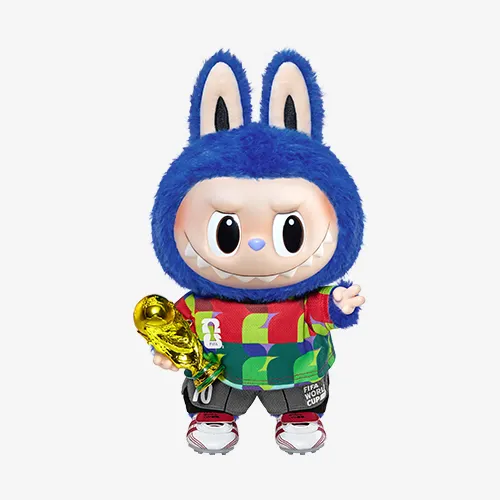 FIFA
FIFA CARTOONS
 ANIME
ANIME Disney
 Sanrio & Kitty