
 USD
USD
 SkullPanda
 Labubu
 SONNY ANGEL
 Mofusand
 Crybaby
 Nommi
Nommi Maymei
 Hirono
 Wakuku
 Sanrio
 Molly
Molly Royal Molly
 Twinkle Twinkle
 Dimoo
Dimoo BABY THREE
 Sleepless Grumpipi
 Azura
Azura Winnie the Pooh
 Peach Riot
 Pino Jelly
 Kubo
Kubo Chaka
Chaka Pucky
Pucky Nyota
Nyota Zsiga
Zsiga Hacipupu
 Shin-chan
 Naruto
 Spongebob
 DORA
DORA PPG
PPG Smiski
 FARMER BOB
 Q Kid
Q Kid Pokémon
To paint your first blind box duplicate: Gather acrylic paints, primer, fine brushes, and sealant. Clean and prime the vinyl figure, apply thin base coats, add details with layered colors, then seal for protection. Focus on Pop Mart IPs like Labubu—test on duplicates first for stunning, personalized results that boost your collection.
Check: Blind Box
Essential supplies include acrylic paints, vinyl primer, fine-tipped brushes (sizes 0-2), a palette, water cup, matte varnish sealant, and optional acrylic markers for fine details. Quality matters—professional-grade paints adhere better to vinyl than craft-store basics. Test brands on duplicate figures before committing to your favorite piece.
Before you transform that duplicate SkullPanda or Molly sitting in your collection, assembling the right toolkit is crucial. Acrylic paints are your best friend here—they're affordable, non-toxic, and dry quickly on vinyl surfaces. Look for paint sets specifically formulated for small-scale work; brands used by miniature painters tend to have better pigmentation and coverage on tiny figures.
Brushes deserve special attention. A set of fine-tipped brushes (sizes 0, 1, and 2) gives you precision for detailed work. Synthetic brushes work better with acrylics than natural bristles, which can absorb moisture and swell. Keep a dedicated water cup for rinsing—this prevents color mixing accidents.
The often-overlooked hero of blind box customization is primer. Vinyl can be slippery, and paint won't adhere smoothly without proper preparation. Gesso or acrylic primer designed for plastic surfaces creates a foundation that holds paint longer and prevents chipping.
Finally, invest in a good matte varnish sealant. Glossy finishes can look plastic-y on custom work, while matte gives your figures a professional, gallery-quality appearance. Two coats of matte varnish protect your artwork from dust, UV fading, and minor scratches—essential for pieces you'll display or share in the collector community.
| Supply | Purpose | Budget Recommendation | Pro Tip |
|---|---|---|---|
| Acrylic Paint Set | Base and detail colors | $15-30 for quality starter set | Start with primary colors; you can mix custom shades |
| Vinyl Primer/Gesso | Surface preparation | $8-12 per bottle | One bottle lasts for 50+ figures |
| Fine Brush Set | Precision painting | $10-20 for synthetic set | Wash immediately after use to extend brush life |
| Matte Varnish Sealant | Protection and finish | $10-15 per bottle | Apply thin coats; thick applications look cloudy |
| Acrylic Markers (Optional) | Fine details and line work | $15-25 for set | Perfect for eyes, mouths, and small accents |
Clean your duplicate with warm soapy water and a soft cloth to remove dust and factory residue. Dry completely with a lint-free cloth. Lightly sand the surface with fine-grit sandpaper (220-320) to improve paint adhesion, then wipe away dust. Never skip this step—it's the foundation of lasting custom work.
Preparation separates amateur repaints from professional-looking customs. When you unbox a duplicate Labubu or Sonny Angel, factory residue and oils coat the vinyl surface. These invisible layers prevent paint from bonding properly, leading to peeling and chipping within weeks.
Start by gently washing your figure under warm running water with a soft cloth and mild dish soap. Pay special attention to crevices, joints, and textured areas where dust accumulates. Rinse thoroughly and pat dry with a lint-free cloth—cotton t-shirts work perfectly. Let it air-dry completely for at least 30 minutes before proceeding.
Next, lightly sand the figure with fine-grit sandpaper (220-320 grit). This creates microscopic texture that helps paint grip the vinyl. Use gentle, circular motions and avoid aggressive scrubbing, which can damage delicate sculpted details. Focus on flat surfaces and avoid sharp edges or thin appendages.
After sanding, wipe the entire figure with a damp cloth to remove all dust particles. Let it dry again for 15-20 minutes. This prep work might seem tedious, but it's the difference between a custom that lasts years and one that chips off in months. Collectors who invest time in prep work consistently report satisfaction with their finished pieces when shared in online communities.
Acrylic gesso or plastic-specific primers work best on vinyl blind boxes. Apply thin, even coats (2-3 layers) rather than one thick coat. Gesso dries quickly and provides excellent paint adhesion on Pop Mart figures. Test on a duplicate before priming your grail piece to ensure compatibility with your chosen paint brand.
Primer is non-negotiable for blind box customization. Vinyl is inherently glossy and slippery—paint applied directly to bare vinyl will eventually peel. Gesso, a primer traditionally used in fine art, creates a slightly textured surface that accepts acrylic paint like paper accepts ink.
For blind box figures, white or neutral-gray gesso works best. White provides a clean base for lighter colors and allows you to see your design clearly as you build layers. Gray gesso works beautifully if you're planning darker color schemes on figures like SkullPanda or Molly.
Apply primer in thin, even coats using a small brush or sponge applicator. Thick primer coats obscure fine sculpted details—the goal is coverage, not buildup. Most figures need 2-3 thin coats for complete coverage. Allow 10-15 minutes drying time between coats. Rushing this step results in chalky, uneven primer that causes paint adhesion problems later.
Some collectors prefer spray primers for faster, more even application. If you choose this route, work in a well-ventilated area and apply light, quick bursts rather than heavy coats. Spray primer dries faster than brush-applied gesso but requires more careful technique to avoid dripping on delicate features.
High-pigment acrylic paints designed for miniatures or fine art work best on Labubu and SkullPanda figures. Brands like Vallejo, Citadel, or quality craft acrylics provide excellent coverage and color vibrancy. Avoid cheap craft paints—they crack on flexible vinyl. Test colors on duplicate figures first to perfect your technique before customizing rare variants.
Paint selection dramatically impacts your final result. Cheap craft paints contain less pigment and more filler, causing them to crack and peel on vinyl's flexible surface. For Labubu's delicate features and SkullPanda's intricate details, you need paints with excellent adhesion and color payoff.
Miniature painting brands like Vallejo, Citadel, and Army Painter are industry standards for small-scale work. These paints are formulated specifically for vinyl and plastic gaming figures, making them ideal for blind box customization. They have better flow, superior pigmentation, and exceptional durability compared to general craft paints.
Color theory matters here. Labubu's signature soft aesthetic pairs beautifully with pastel shades and metallic accents. Consider warm tones for skin, cool tones for shadows, and highlights in cream or white to add dimension. SkullPanda's edgy character benefits from bold contrasts—think deep purples against bright whites, or matte blacks with iridescent accents.
Build colors in thin layers rather than applying one thick coat. This approach prevents paint from pooling in crevices and maintains the figure's sculpted definition. Each layer should be transparent enough to see the primer beneath; you're building up color gradually rather than covering it all at once.
| Pop Mart IP | Recommended Color Palette | Paint Finish | Customization Trend |
|---|---|---|---|
| Labubu | Pastels, metallics, soft neutrals | Matte or satin | Gradient blending, glitter accents |
| SkullPanda | Bold darks, neon accents, whites | Matte with gloss accents | Skull detail enhancement, glow effects |
| Molly | Jewel tones, pastels, metallics | Matte | Character reimagining, seasonal themes |
| Sonny Angel | Skin tones, pastels, gold accents | Satin or matte | Angel wing details, celestial themes |
| Hirono | Rich jewel tones, metallics | Matte | Fashion-inspired repaints, color blocking |
Use size 0-1 brushes for Molly's delicate features. Paint eyes first with white base, then add pupils with dark paint and highlights with white dots. Work on the mouth and facial details next, then move to larger areas. Thin your paints with water to maintain precision. Practice on duplicate Molly figures before customizing rare variants or limited editions.
Check: What Are Pucky Tap Tap Babies?
Molly's charm lies in her expressive face and intricate details. Painting her requires patience and a steady hand, but the results are incredibly rewarding. Start with the eyes, as they define character and emotion in any figure.
Apply a thin white base to each eye area using your finest brush. Once dry, paint a small dark pupil in the upper portion of the eye, leaving space for highlights. Add a tiny white dot in the upper-left corner of each pupil—this "eye shine" creates depth and makes Molly look alive and dimensional.
Next, tackle the mouth. Molly's signature smile deserves careful attention. Use a thin brush and warm pink or coral paint to define the mouth shape. Add a thin black or dark brown outline to emphasize the smile. If you're feeling adventurous, add subtle shading under the lower lip for three-dimensional effect.
For larger areas like clothing or body color, switch to slightly larger brushes (size 1-2) and apply thin coats. Molly's dress or outfit offers creative customization opportunities. Consider reimagining her in seasonal themes—autumn Molly in warm oranges and browns, winter Molly in cool silvers and blues, or fantasy Molly in jewel tones and metallics.
The key to detailed work is patience. Thin your paints with a tiny amount of water to improve flow and precision. Thick paint is harder to control on small surfaces. Let each layer dry completely before adding details on top. Rushing this process results in muddy colors and lost detail.
Sealant protects your custom work from dust, UV fading, and minor scratches while enhancing color depth. Apply 2-3 thin coats of matte varnish using a soft brush or spray application. Matte finish looks professional on blind box customs; glossy can appear plastic-y. Allow 24 hours drying time before handling or displaying your finished piece.
Sealing your custom blind box is the final, crucial step that determines longevity. Without protection, your beautiful paintwork gradually fades, collects dust in crevices, and becomes vulnerable to accidental damage. Varnish acts as a shield while enhancing the overall appearance of your work.
Matte varnish is the preferred choice for blind box customs. It provides a professional, gallery-quality finish that complements the figures' aesthetic without adding artificial shine. Glossy finishes can make hand-painted work look cheap or plastic-y, undercutting the artistry you've invested in customization.
Apply varnish in thin, even coats using a soft brush or spray application. Brush application gives you control; spray application provides more even coverage but requires ventilation and practice. Allow 10-15 minutes between coats. Thick varnish coats look cloudy and can obscure fine details, so prioritize thin, multiple layers over one heavy coat.
After applying your final varnish coat, allow 24 hours of complete drying time before handling or displaying. Store finished pieces away from direct sunlight to prevent UV fading of both paint and varnish. Properly sealed customs can look vibrant for years, making them worthy display pieces or potential trades within the collector community.
Avoid thick paint coats that obscure Sonny Angel's delicate sculpted features. Don't skip primer application—bare vinyl causes paint peeling. Never paint before cleaning and drying the figure completely. Avoid glossy finishes on skin tones; matte or satin looks more natural. Test color combinations on duplicate figures before committing to rare variants or limited editions.
Sonny Angel's gentle, cherubic aesthetic requires a delicate touch. Common mistakes can quickly ruin a custom project, so learning from others' experiences accelerates your success.
Mistake #1: Applying Paint Too Thickly Sonny Angel's beauty lies in fine sculptural details—the curve of wings, the expression on the face, the texture of clothing. Thick paint fills these details and makes the figure look flat and lifeless. Always apply thin coats, building color gradually. This approach maintains definition while achieving vibrant color.
Mistake #2: Skipping Primer Painting directly onto bare vinyl is tempting but results in frustration. Paint peels and flakes within weeks on unprimed figures. Always apply primer, even on duplicates you're practicing with. It's a small investment that dramatically improves results.
Mistake #3: Painting Wet or Damp Figures Moisture prevents paint adhesion and causes uneven coverage. Always ensure your figure is completely dry before painting. If you've just cleaned it, wait at least 30-45 minutes before starting.
Mistake #4: Using Wrong Paint Finish on Skin Tones Glossy paint looks unnatural on Sonny Angel's face and body. Matte or satin finishes create skin-like appearance. Reserve glossy finishes for accents like jewelry, wings, or special effects.
Mistake #5: Not


















 Hot Sales
 Trending
 PRE ORDER
 Daily updates
 BLIND BOX
 PLUSH PRENDANT
 Plush Doll
 BJD
BJD FIGURES
 MINI BEANS
 Master Collector
 Region restriction
 MEGA
MEGA Cups
Cups Phone
Phone Toy Clothes
 Bags
Bags Card Holders
 FIFA
FIFA CARTOONS
 ANIME
ANIME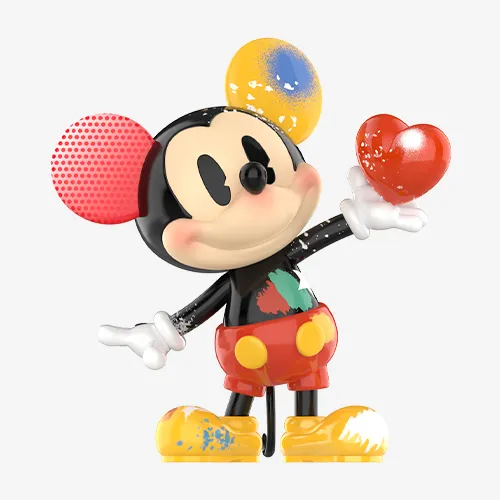 Disney
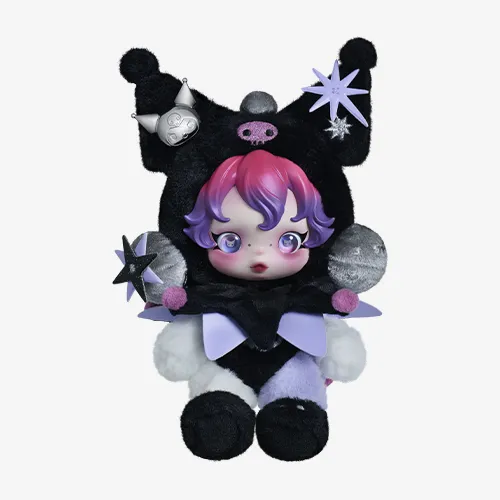 Sanrio & Kitty