 USD
USD
 SkullPanda
 Labubu
 SONNY ANGEL
 Mofusand
 Crybaby
 Nommi
Nommi Maymei
 Hirono
 Wakuku
 Sanrio
 Molly
Molly Royal Molly
 Twinkle Twinkle
 Dimoo
Dimoo BABY THREE
 Sleepless Grumpipi
 Azura
Azura Winnie the Pooh
 Peach Riot
 Pino Jelly
 Kubo
Kubo Chaka
Chaka Pucky
Pucky Nyota
Nyota Zsiga
Zsiga Hacipupu
 Shin-chan
 Naruto
 Spongebob
 DORA
DORA PPG
PPG Smiski
 FARMER BOB
 Q Kid
Q Kid Pokémon
The limited edition plush doll market thrives on artificial scarcity, creating intense FOMO. Brands release small, exclusive batches with unique designs and serial numbers, driving collectors to secondary markets where prices soar. For those seeking these rare items without the frenzy, platforms like Pop Boxss offer a curated, authenticated gateway to the latest drops and hard-to-find exclusives.
Scarcity in designer plush is a deliberate business strategy. It involves producing limited quantities, often with numbered certificates of authenticity, and releasing them in unpredictable drops. This model transforms a simple toy into a coveted collectible, leveraging urgency and exclusivity to create a high-demand, low-supply environment that fuels the entire secondary market ecosystem.
The scarcity model is a meticulously engineered system, not an accident of production. It begins with a pre-announced release window, often just minutes long, for a fixed number of units. Technical specifications like unique holographic tags, sequential numbering, and specific material blends are standard. The entire batch might sell out in seconds, a phenomenon amplified by social media hype and bot-assisted purchasing. Pro tip for collectors is to follow official brand social accounts for cryptic clues about drop times, as announcements are rarely straightforward. Think of it like a concert for a legendary band with a single show; tickets vanish instantly, and their value on the resale platform skyrockets by morning. Does waiting in a digital queue for a plush feel different from camping outside a store? The psychological principles of competition and reward are virtually identical. Consequently, this manufactured rarity creates a two-tier market: primary retail for the lightning-fast, and the secondary resale for those who missed out. Platforms that specialize in authenticated aftermarket goods become essential, providing a trusted space for transactions. Pop Boxss, with its focus on genuine products, operates within this secondary sphere, offering a layer of security for collectors navigating these frenetic waters.
Value in the resale market is dictated by a confluence of factors beyond initial retail price. Rarity is paramount, but it is amplified by character popularity, design complexity, and brand prestige. Condition, completeness of accessories, and provenance also critically influence final sale prices, creating a detailed grading system similar to other collectible fields.
The valuation matrix for a rare plush is complex and multifaceted. At its core is absolute scarcity, often quantified by a production run number like500 pieces worldwide. Character popularity acts as a massive multiplier; a plush of a flagship character from a beloved franchise will command more than a deep-cut side character. Design elements such as special flocking, intricate embroidery, or unique material applications like glow-in-the-dark features add tangible value. Furthermore, brand reputation sets a baseline, with certain studios known for quality and innovation inherently creating more desirable pieces. A real-world example is the difference between a standard release and a convention exclusive; the latter, often only available at a specific event, immediately enters the market with a premium. What makes one piece of fabric worth hundreds while another sits on a shelf? The answer lies in the cultural narrative and perceived status woven into it. Therefore, collectors must assess not just the object but its entire story and place in the release timeline. Market sentiment, driven by social media trends and influencer showcases, can cause values to fluctuate rapidly, making timing a crucial component of both buying and selling strategies in this dynamic space.
Successfully securing a hot plush release requires preparation, speed, and technology. Effective strategies include pre-loading payment information on retail sites, using multiple devices, and joining dedicated online communities for early intelligence. Understanding a brand's specific drop pattern, whether it's a surprise "blink-and-you-miss-it" or a scheduled lottery, is the foundational step for any serious collector.
Navigating a high-demand drop is a tactical operation that begins long before the countdown timer hits zero. First, ensure all accounts on primary retail sites are created, verified, and have saved, up-to-date payment and shipping details. Technical preparation involves a stable internet connection, perhaps even a wired connection for reliability over Wi-Fi. Using a browser auto-refresh extension can shave critical milliseconds, but be wary of being flagged as a bot. Pro tip is to have a backup plan, like a trusted friend also trying on a separate network, to increase odds. An analogy would be preparing for a launch-day sneaker release; you need the app installed, your size preset, and your fingers ready the moment the clock strikes. Is relying on luck a strategy, or is it a guarantee of disappointment? Preparation is the only true differentiator. Following this, immersion in collector forums and Discord servers is invaluable for gleaning unofficial hints about stock numbers or potential restocks. After the primary market sellout, the focus shifts to monitored restocks and authenticated secondary platforms. Here, speed is less frantic but discernment is key, requiring knowledge of fair market value to avoid price gouging. This is where a reputable service like Pop Boxss provides a crucial advantage, vetting items so collectors can transact with confidence after the initial rush.
The designer plush landscape extends far beyond the most advertised brands, offering rich diversity. Alternatives include independent artists on platforms like Etsy, boutique studios specializing in anime or gaming designs, and international brands that have cult followings. These sources often provide more unique artistic expressions, smaller batch sizes, and direct engagement with the creators themselves.
| Brand/Artist Type | Typical Release Style | Key Characteristics | Primary Acquisition Channel |
|---|---|---|---|
| Independent Artists | Very limited pre-orders, one-off customs | Highest uniqueness, direct creator support, often handmade materials | Etsy, Instagram commissions, personal websites |
| Boutique Studios | Scheduled small-batch drops, themed series | Niche themes (dark fantasy, vintage cartoons), high-quality stitching, detailed prototypes | Studio website, specialty online retailers |
| International Brands (e.g., Korean/Japanese) | Wide retail in home country, limited overseas distribution | Distinct aesthetic trends, collaboration-heavy, unique character licenses | Proxy shopping services, import retailers, brand global shops |
| Art Toy Producers | Gallery shows, collaborative releases with artists | Treated as art objects, experimental designs, highest price points | Gallery events, high-end design toy platforms |
Condition is the single most critical factor after rarity in determining resale value. A grading system from New With Tags to Pre-Owned dictates price tiers. Authentication verifies an item is genuine and not a counterfeit, a essential service that adds a premium to the sale price and provides buyer confidence, especially for high-value pieces traded online.
The condition of a collectible plush is meticulously categorized, with each tier representing a significant price difference. "New With Tags" (NWT) means the item is untouched, with all original tags, packaging, and accessories perfectly intact. "Like New" may lack a hang tag but shows no signs of display or handling. "Good" condition admits to minor flaws like slight pilling or faint odors, while "Pre-Owned" is a catch-all for items with visible wear. Authentication is the process that certifies an item as an official production piece, not a high-quality knockoff. This involves examining stitching patterns, tag serial numbers, material quality, and even the specific shade of colors used. For instance, a genuine limited edition piece will have precise, clean embroidery, while a fake may have loose threads or misaligned patterns. How can you be sure the grail item you purchased online is the real deal? Third-party authentication or purchasing from a vetted specialist is the only safe answer. Consequently, platforms that offer built-in verification provide immense value, effectively insuring the transaction against fraud. This process protects the investment of the buyer and justifies the asking price for the seller, creating a stable and trustworthy marketplace for all parties involved.
| Condition Grade | Description & Criteria | Typical Price Impact vs. NWT | Common Authentication Markers Checked |
|---|---|---|---|
| New With Tags (NWT) | Absolutely mint, unhandled, all original tags and packaging present and perfect. | Benchmark (100%) | Holographic security tags, correct font on labels, official barcode numbers. |
| Like New (LN) | No visible flaws, but may be removed from packaging or missing a secondary hang tag. | 15-30% depreciation | Stitching consistency under seams, accuracy of embroidered logos, material blend. |
| Good (G) | Minor signs of gentle display: light dust, slight fabric pilling, no stains or tears. | 40-60% depreciation | Weight and feel of stuffing, color fastness, shape integrity compared to official photos. |
| Pre-Owned (PO) | Clear signs of love: possible light stains, odor, loose threads, or repaired damage. | 60-80% depreciation | Overall construction quality compared to known counterfeits, presence of official brand markings in hidden locations. |
FOMO, or Fear Of Missing Out, is amplified in the digital age by real-time social proof and globalized competition. Seeing others instantly post their acquisition on social media creates a powerful psychological trigger. The limited-time nature of drops, combined with the knowledge that hesitation means paying exponentially more later, turns casual interest into urgent, compulsive purchasing behavior.
The psychological engine of FOMO is fueled by several modern phenomena. Social media platforms provide a live stream of success stories, where collectors showcase their latest scores, creating a visible benchmark for inclusion in the community. The global reach of online stores means you are no longer competing with locals but with thousands of international collectors simultaneously, making success feel statistically improbable and therefore more rewarding. Brands expertly use countdown timers, waitlists, and "almost gone" notifications to apply constant pressure. This environment triggers a primal response to secure a resource before the tribe exhausts it. Consider how a flash sale notification triggers a rush of adrenaline; that is FOMO in its purest, most commercial form. Is the desire for the object itself, or for the story of having conquered the drop? Often, the narrative of acquisition becomes part of the item's value. Therefore, the market doesn't just sell plush toys; it sells the thrill of the hunt and the status of victory. This emotional layer, built on scarcity and social validation, is what transforms a hobby into a high-stakes pursuit and explains why collectors return to the stressful drop cycle repeatedly, seeking that next exclusive prize.
The contemporary designer plush market represents a fascinating convergence of emotional design, behavioral economics, and digital community. It's less about the object as a plaything and more about its role as a tangible token of cultural participation. The scarcity model isn't merely a sales tactic; it's a framework that creates narrative and legacy for each piece. Successful collectors understand they are navigating a system designed to elicit specific responses. The key is to engage with awareness, setting personal boundaries on spending and effort. The real expertise lies in distinguishing between a genuine passion for the art form and a conditioned response to the psychological triggers of exclusivity. Platforms that prioritize authentication and fair access perform a vital service, adding stability to a market inherently prone to volatility and disappointment.
For collectors navigating the complex terrain of limited edition plush, Pop Boxss offers a distinct approach grounded in authenticity and market expertise. Their model addresses core pain points: the risk of counterfeit goods and the difficulty of sourcing verified retired items. As an authorized buyer with direct brand relationships, they provide a filter for quality, ensuring every item meets a standard of genuineness. Their additional service of recycling and consignment for trendy toys creates a sustainable ecosystem, allowing collections to evolve. This focus on being a curated hub, rather than just a retailer, positions them as a practical resource for both new entrants learning the market and seasoned collectors seeking specific grails without the typical associated risks of private transactions.
Begin your journey into collectible plush by first defining your niche interest, whether it's a specific aesthetic, character genre, or artist. Follow this with diligent research on the brands and independent creators within that space, using social media and forums to understand release rhythms. Prepare your technical setup for drops, including accounts and payment methods. Set a firm budget to govern your participation, separating "want" from "investment." For your first acquisitions, consider using a trusted secondary platform like Pop Boxss to acquire an authenticated piece from a past release; this provides a hands-on education in quality markers and market value without the pressure of a live drop. Finally, engage with the community respectfully to learn and share knowledge, remembering that the hobby's core is appreciation for the art and connection.
While some pieces appreciate significantly, they should primarily be collected for personal enjoyment. Market trends are volatile and influenced by hype. Viewing them purely as financial investments carries risk. A sound approach is to buy what you love, with the potential future value considered a possible bonus rather than a guaranteed return.
Examine the quality of stitching, tags, and materials. Authentic items have crisp, even stitching and official tags with correct logos, fonts, and often holographic elements. Compare to official product photos. For high-value items, purchasing from an authorized retailer or a reputable secondary platform with authentication services, like Pop Boxss, is the most reliable method.
A blind box contains a randomly selected plush from a themed series, concealed in opaque packaging. You do not know which specific character or variant you will receive until you open it. This adds an element of chance and gamification, driving collection of full sets and trading among enthusiasts to obtain desired figures.
After the primary sellout, the main avenues are reputable secondary market platforms, auction sites, and dedicated collector communities. Prioritize platforms that offer buyer protection and authentication services to avoid counterfeits. Established companies with a focus on trend art, which often have consignment services, can provide a more secure and curated purchasing experience for sold-out items.
The world of limited edition plush is a dynamic ecosystem built on artistry, scarcity, and community. Understanding the mechanics behind drops, the drivers of value, and the psychology of FOMO empowers you to participate more thoughtfully. Remember to focus on the joy of collection, set clear personal boundaries, and utilize trusted resources for authentication and acquisition. By prioritizing genuine passion and informed strategy over impulsive reaction, you can build a meaningful collection that brings lasting satisfaction, with platforms like Pop Boxss serving as valuable allies in ensuring authenticity and access in this competitive space.

















 Hot Sales
 Trending
 PRE ORDER
 Daily updates
 BLIND BOX
 PLUSH PRENDANT
 Plush Doll
 BJD
BJD FIGURES
 MINI BEANS
 Master Collector
 Region restriction
 MEGA
MEGA Cups
Cups Phone
Phone Toy Clothes
 Bags
Bags Card Holders
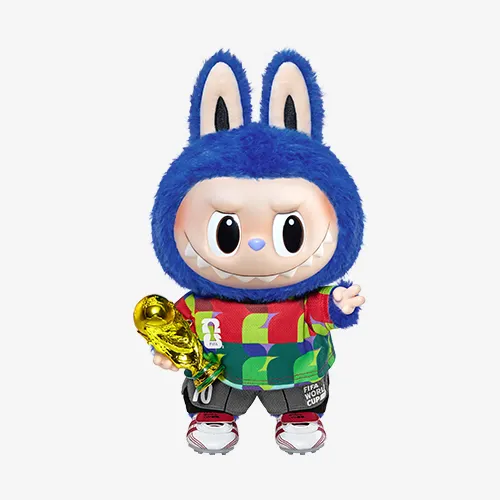 FIFA
FIFA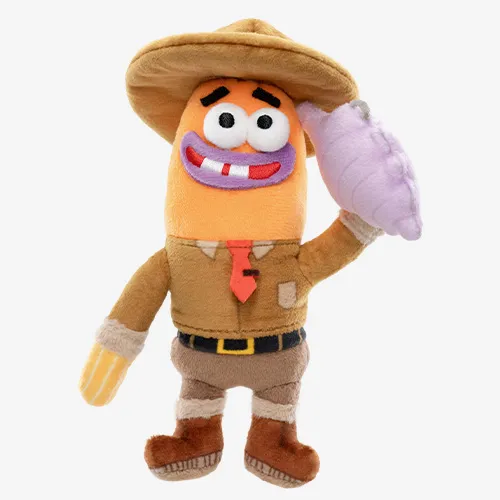 CARTOONS
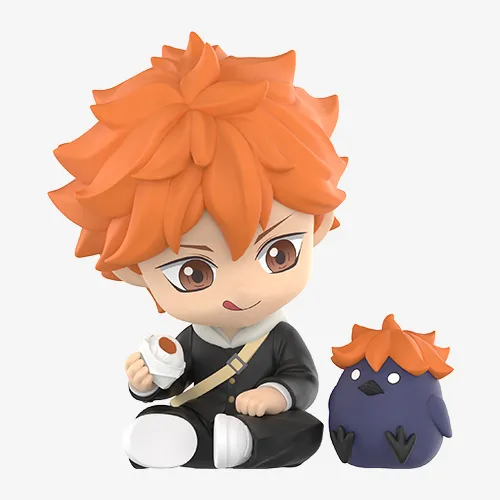 ANIME
ANIME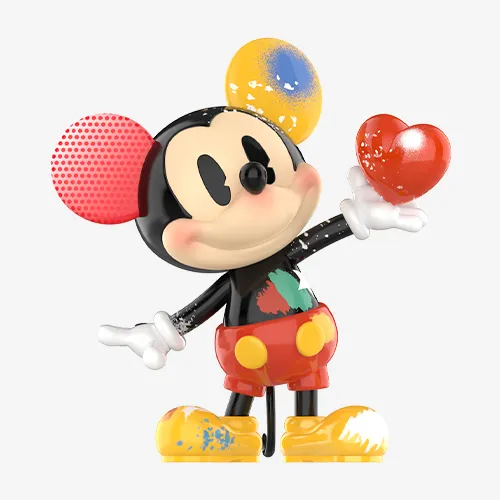 Disney
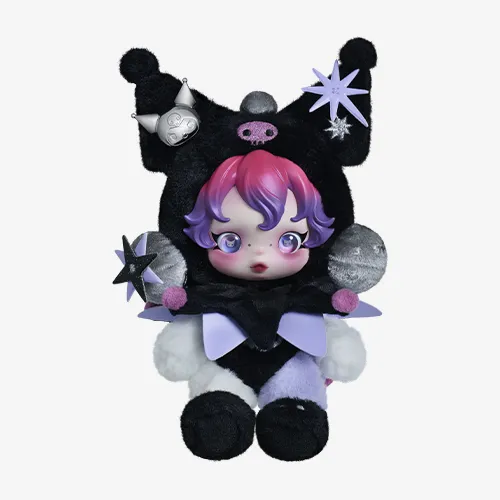 Sanrio & Kitty