 USD
USD
 SkullPanda
 Labubu
 SONNY ANGEL
 Mofusand
 Crybaby
 Nommi
Nommi Maymei
 Hirono
 Wakuku
 Sanrio
 Molly
Molly Royal Molly
 Twinkle Twinkle
 Dimoo
Dimoo BABY THREE
 Sleepless Grumpipi
 Azura
Azura Winnie the Pooh
 Peach Riot
 Pino Jelly
 Kubo
Kubo Chaka
Chaka Pucky
Pucky Nyota
Nyota Zsiga
Zsiga Hacipupu
 Shin-chan
 Naruto
 Spongebob
 DORA
DORA PPG
PPG Smiski
 FARMER BOB
 Q Kid
Q Kid Pokémon
Replace your plush when it shows irreparable tears, excessive fading of IP prints, severe stuffing loss, falling eyes or accessories, persistent odors or stains, or fur matting that devalues collectibles—common in designer toys like SkullPanda or Labubu after 5-10 years of display or play, prioritizing safety and resale value.
Check: 9 Limited Edition SKULLPANDA Figures Every Serious Collector Should Know
For collectors of designer toys and blind box plushies, knowing when to retire a beloved piece is as important as knowing how to care for it. Whether you're displaying limited-edition Pop Mart figures or treasured SkullPanda plush from your collection, understanding the difference between minor wear and permanent damage helps you make informed decisions about safety, display aesthetics, and resale potential. This guide walks you through the signs that signal it's time to say goodbye—and how to transition to authentic replacements that will stand the test of time.
Permanent wear includes irreparable seam tears, severe stuffing loss at limbs or seams, matted or pilled fabric that won't restore, fading IP prints or embroidery, detached eyes or accessories that can't be reattached safely, and persistent odors or stains resistant to cleaning—all indicators your plush has reached end-of-life.
Identifying permanent damage early helps you decide whether repair is worthwhile or retirement is the safer choice. Unlike minor issues like loose threads or small stains, permanent wear fundamentally compromises the structural integrity, aesthetic appeal, or safety of your plush.
The most telling signs include:
For collectors, these signs matter beyond comfort—they directly impact resale value, display presentation, and whether the piece remains safe to handle or display in cases alongside other rare items.
Frayed seams become permanent when they extend across multiple stitches, stuffing actively leaks from gaps, or seam separation affects the toy's structural integrity—at this point, hand-stitching repairs are temporary fixes, and replacement ensures collection longevity and safety.
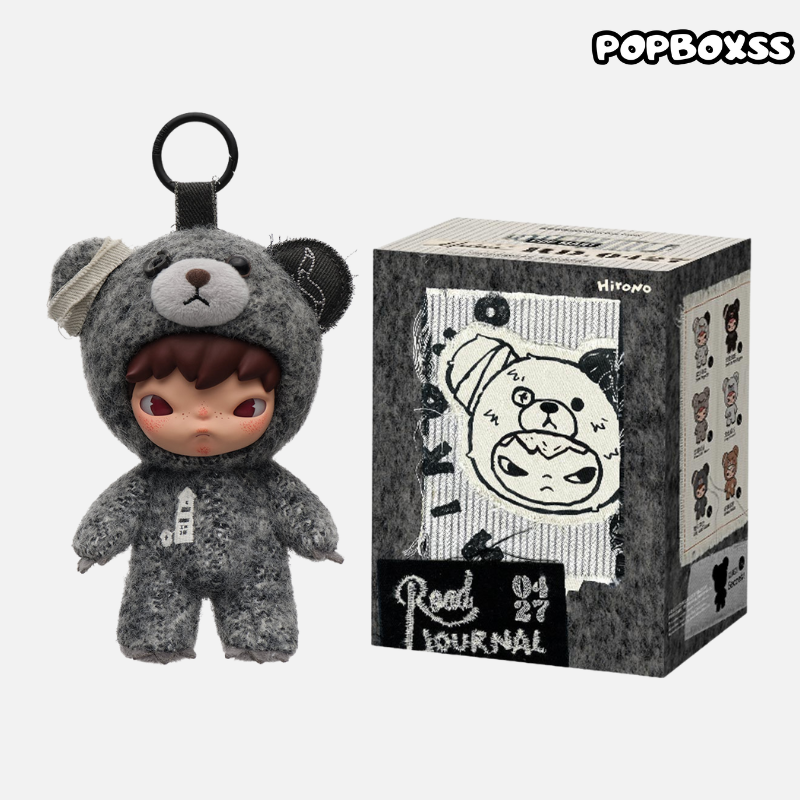
Frayed seams are one of the most common wear indicators, but not all fraying means retirement. Minor loose threads at a single stitch can be trimmed or re-stitched. However, when fraying becomes systemic—affecting seams across the neck, limbs, or torso—replacement becomes the smarter choice.
Here's how to assess seam damage:
| Seam Condition | Severity | Action |
|---|---|---|
| Loose threads at one stitch | Minor | Trim or hand-stitch; display-safe |
| Fraying across 2-3 stitches, no stuffing leak | Moderate | Reinforce with needle and thread; monitor |
| Seam separation with visible stuffing leaking | Severe | Retire or display-only; replacement recommended |
| Multiple seams separating; structural collapse | Permanent | Replace; unsafe for handling or display in cases |
For collectible plushies like Labubu or SkullPanda, visible seam damage also signals to potential buyers that the toy was heavily played with or improperly stored, reducing resale value by 30-50%. If you're holding a limited-edition piece for your collection, addressing seam issues early through proper storage (breathable cloth bags, climate-controlled shelves) prevents permanent damage. When seams do fail beyond repair, transitioning to a fresh Popboxss authentic replacement ensures your display remains pristine and your investment protected.
Fading of IP prints—SkullPanda's skull face, Molly's signature eyes, or Labubu's detailed embroidery—is permanent and directly devalues limited editions; severe fading makes rares indistinguishable from common variants, warranting retirement and replacement with new authentic stock.
Check: How to Clean Plush Pendants and Keychains Without Damaging Embroidery or Plastic Charms
For designer toy collectors, fading isn't just a cosmetic issue—it's a value killer. Pop Mart IPs like SkullPanda, Molly, Hirono, and Sonny Angel are prized for their precise, vibrant print details. When these fade, the toy loses its visual identity and collector appeal.
Fading happens through:
To assess whether fading is permanent, compare your plush to an unworn variant or reference image. If the IP print is noticeably lighter, uneven, or blurred—especially on signature features like eyes or logos—the damage is irreversible. Collectors often retire faded limited editions to storage or pass them to younger fans, then refresh their display with new authentic pieces from Popboxss, where stock rotation ensures vibrant, fresh inventory of SkullPanda, Labubu, and MEGA series plush with full color integrity.
Stuffing loss is permanent because it collapses the toy's shape, creates visible lumps or flat areas that can't be refluffed, and signals internal breakdown—critical for display pieces where aesthetic consistency matters, making replacement essential for cohesive collection presentation.
Plushies are only as good as their fill. When high-density, hypoallergenic stuffing begins to thin, clump, or migrate away from limbs and seams, the toy loses its dimensional form and tactile appeal. For display-focused collectors, this is a deal-breaker.
Stuffing degradation occurs through:
Unlike frayed seams (which can be hand-stitched) or stains (which can fade over time), stuffing loss is irreversible. You can fluff a plushie by hand to temporarily restore volume, but if the stuffing has migrated out of seams or degraded, the toy will never return to its original shape. For rare Pop Mart pieces or limited-edition blind box finds, this means the collectible loses both visual appeal and resale value. Popboxss's vinyl plush dolls and premium SkullPanda/Labubu figures use high-density stuffing specifically engineered to resist compression, ensuring your collection stays photo-ready for years.
Fallen eyes or detached accessories are permanent safety and aesthetic concerns—loose plastic parts pose choking hazards, and reattachment often looks visibly repaired; retirement is safest, with replacement ensuring display integrity and collector standards.
Plastic eyes, embroidered noses, and attached accessories are signature elements of designer toys. When they fall off, the impact is immediate and irreversible.
Common detachment causes:
For collectors, fallen eyes are particularly problematic because:
If a beloved piece loses an eye or key accessory, the kindest choice is to retire it to a memory box or pass it to a younger collector, then replace it with a fresh authentic piece. Popboxss ensures all Pop Mart IPs—from SkullPanda to Sonny Angel—arrive with secure, factory-stitched eyes and accessories, backed by 100% authenticity guarantees and our loyalty rewards program for seamless replacements.
Stains and odors are permanent when they survive gentle spot-cleaning, indicate biological contamination (mold, mildew, pet accidents), or have set into fibers—these pose health risks and can't be fully eliminated, making retirement the safer choice for display pieces.
Unlike wear-and-tear damage, stains and odors often signal deeper problems. A coffee spill or dirt smudge might fade with gentle care, but persistent stains or musty smells indicate the damage has penetrated the fabric or internal stuffing.
When are stains and odors permanent?
For collectors, stained or odorous plushies are problematic because they can't be safely displayed in cases with other pieces—odors spread, and stains attract pests. If you've tried gentle spot-cleaning with mild soap and a damp cloth (the recommended method) and the stain or smell persists after air-drying, it's time to retire the piece.
| Stain/Odor Type | Cleanable? | Recommendation |
|---|---|---|
| Fresh dirt or dust | Yes | Spot-clean immediately; air-dry |
| Light food or drink stain (not set) | Yes | Gentle washing in mesh bag; air-dry fully |
| Set-in stain (dried, darkened) | No | Retire or display-only; consider replacement |
| Musty or moldy odor | No | Retire immediately; health risk; replace |
| Pet accident or biological contamination | No | Retire; not safe for display or handling |
When permanent stains or odors force retirement, Popboxss offers fresh, authenticated replacements with fast US warehouse shipping (3-5 days from Los Angeles), ensuring your collection stays pristine and display-ready without compromise.
Retire rare Pop Mart plush when visible wear (fading, seam damage, stuffing loss) drops resale value below 50% of original retail, or when damage affects authenticity verification—at this threshold, keeping it for nostalgia outweighs collector value, making fresh stock a smarter investment.
For serious collectors, resale value is a key consideration. Limited-edition SkullPanda variants, rare Labubu colorways, and exclusive Molly releases can appreciate or depreciate dramatically based on condition. Knowing when wear crosses the threshold from "gently loved" to "heavily used" helps you decide whether to hold, display, or replace.
Resale value impact by wear type:
















 Hot Sales
 Trending
 PRE ORDER
 Daily updates
 BLIND BOX
 PLUSH PRENDANT
 Plush Doll
 BJD
BJD FIGURES
 MINI BEANS
 Master Collector
 Region restriction
 MEGA
MEGA Cups
Cups Phone
Phone Toy Clothes
 Bags
Bags Card Holders
 FIFA
FIFA CARTOONS
 ANIME
ANIME Disney
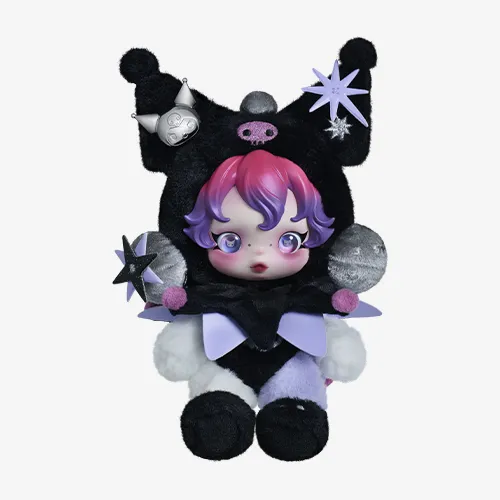 Sanrio & Kitty