
 USD
USD
 SkullPanda
 Labubu
 SONNY ANGEL
 Mofusand
 Crybaby
 Nommi
Nommi Maymei
 Hirono
 Wakuku
 Sanrio
 Molly
Molly Royal Molly
 Twinkle Twinkle
 Dimoo
Dimoo BABY THREE
 Sleepless Grumpipi
 Azura
Azura Winnie the Pooh
 Peach Riot
 Pino Jelly
 Kubo
Kubo Chaka
Chaka Pucky
Pucky Nyota
Nyota Zsiga
Zsiga Hacipupu
 Shin-chan
 Naruto
 Spongebob
 DORA
DORA PPG
PPG Smiski
 FARMER BOB
 Q Kid
Q Kid Pokémon
Featured Snippet Build a DIY designer toy display by choosing a base structure (metal shelving or IKEA BILLY cabinets), adding LED strip lighting with 3M adhesive, installing hardboard backing painted black, and securing figures with support stands. Most builds take 3–5 hours and cost under $200, making them ideal for Pop Mart blind box collections and limited-edition vinyl figures requiring dust-proof protection.
Check: What Are Labubu x Sanrio Blind Box Secret Odds & Rarity Guide?
Select your base structure based on space and budget: IKEA BILLY cabinets ($60–$150) offer glass doors and compact footprints for apartments; metal industrial shelving ($100–$300) provides durability and adjustability for larger collections; and wall-mounted floating shelves ($30–$80) maximize vertical space in tight quarters. Each supports LED integration and dust control differently.
The foundation of any display case determines how well your Pop Mart figures, SkullPanda series, and rare blind boxes will be showcased. For most collectors starting out, IKEA BILLY cabinets have become the gold standard because they arrive ready-to-assemble, feature adjustable shelves, and accept glass or acrylic door modifications easily. If you're displaying delicate Labubu or Sonny Angel figures, the enclosed design keeps dust away while allowing full visibility.
Metal industrial shelving units (commonly called garage shelving) offer flexibility for growing collections. These typically feature five to seven tiers and can hold substantial weight, perfect if you're stacking multiple blind box series. The open design means you'll need to add backing and dust covers, but the investment pays off when you integrate LED strips—the metal frame conducts heat efficiently away from your lighting setup.
For collectors in urban apartments with limited floor space, wall-mounted floating shelves create an Instagram-ready aesthetic without taking up room. Secure them properly to wall studs or use heavy-duty drywall anchors to prevent accidents with your valuable collectibles, especially Swarovski-customized figures that demand extra protection.
Essential materials include hardboard backing ($15–$25), black foam core or styrene sheets ($20–$40), LED strip lighting ($25–$60), 3M adhesive strips ($10), support stands ($15–$30 per pack), and optional acrylic risers ($40–$100). Total budget for a mid-sized case: $150–$250, depending on complexity and lighting quality.
Building a display case on a budget doesn't mean sacrificing aesthetics or protection. Start with hardboard backing—a thin plywood alternative that costs significantly less than glass. Paint it matte black to create depth and make your figures pop visually. This backing also serves as a dust barrier when sealed properly along the edges.
For the shelving surface itself, consider black foam core board or styrene sheets. These materials are lightweight, affordable, and easy to cut to custom dimensions. If you're displaying heavier figures like the MEGA series, reinforce the undersides with poplar wood strips or metal U-channels to prevent sagging over time.
LED strip lighting is where your investment truly transforms the display. Warm white (2700K) or cool white (4000K–5000K) LED strips work best—avoid warm yellow tones that can distort vinyl figure colors. Mount strips along the bottom of each shelf and just above each tier to eliminate shadows. Quality LED strips from reputable brands run $25–$60 and last 25,000+ hours.
| Material | Cost Range | Best For | Durability |
|---|---|---|---|
| Hardboard Backing | $15–$25 | Dust protection, aesthetic depth | 5–10 years |
| Metal Shelving Frame | $100–$300 | Heavy collections, industrial look | 10+ years |
| LED Strip Lighting | $25–$60 | Showcase and ambiance | 25,000+ hours |
| Acrylic Risers | $40–$100 | Tiering blind boxes, maximizing sight lines | 3–5 years |
| Support Stands/Brackets | $15–$30 | Stability for delicate figures | Indefinite |
Support stands with built-in brackets are non-negotiable, especially for rare or valuable pieces. These prevent figures from toppling during vibrations or accidental bumps. Many collectors overlook this detail until a beloved SkullPanda or limited-edition Molly figure takes a tumble.
Install LED strips on the bottom and top of each shelf tier using 3M adhesive, choose cool white (4000K–5000K) for natural colors, and use a dimmer switch for mood control. Backlighting behind hardboard backing creates depth; avoid natural sunlight to prevent UV fading of vinyl figures and packaging.
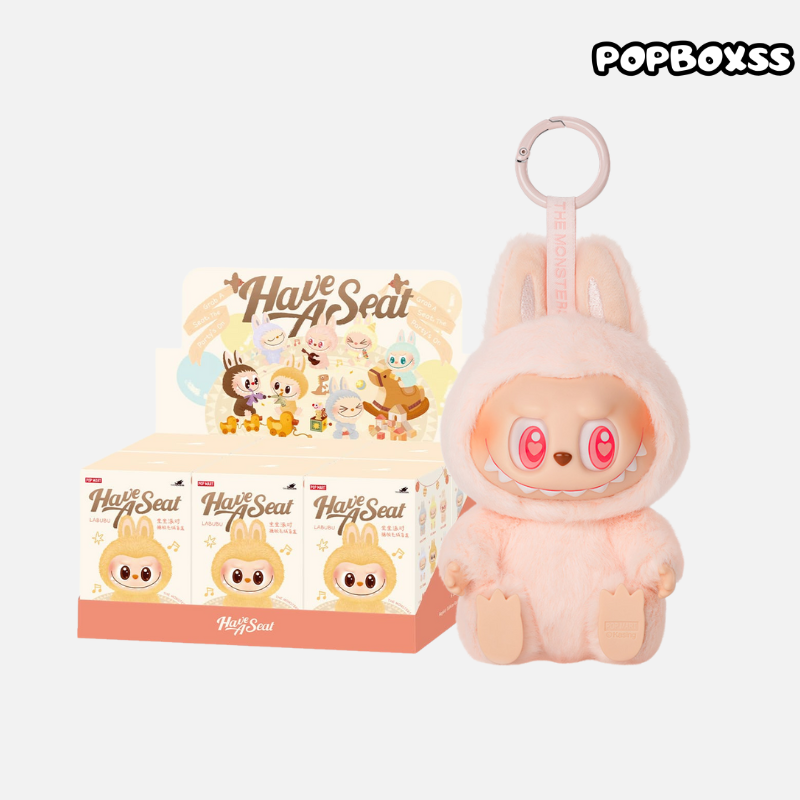
Lighting is the difference between a functional storage system and a display that makes collectors stop scrolling. Professional collectors know that LED strips don't generate heat or UV rays—critical factors when protecting limited editions and Swarovski-customized items that command premium prices.
Position LED strips strategically: mount them on the underside of each shelf to illuminate the tier below, creating even illumination across all figures. Add a second strip just above each shelf to eliminate shadows on the figures themselves. This layered approach ensures every detail of your Pop Mart IPs—from SkullPanda's intricate paint work to Labubu's subtle expressions—is visible from every angle.
Use a dimmer switch or smart LED controller to adjust brightness based on ambient room lighting and time of day. Many collectors dim their displays at night to create a subtle nightlight effect that still showcases their collection without overwhelming the room's aesthetic. For blind boxes still in original packaging, consider backlighting to reduce glare off plastic shells while making the figures inside pop.
Temperature matters: cool white LEDs (4000K–5000K) render vinyl figure colors most accurately, while warm white can cast a yellowish tint that distorts reds and oranges. Test your lighting with a phone camera before committing—what looks good to your eye might photograph differently for social media sharing.
IKEA BILLY cabinets with glass door upgrades ($60–$150 total) are ideal for Pop Mart IPs. Add LED strips inside, paint the back panel black, and replace standard shelves with acrylic risers for tiered visibility. The DETOLF cabinet is another popular hack, offering compact footprint and built-in glass doors for dust-free display.
The IKEA BILLY cabinet has become synonymous with designer toy displays for good reason: it's affordable, modular, and accepts countless modifications. For displaying SkullPanda series, remove the standard backing and install a painted hardboard panel or black fabric backing to create visual depth. The figures then appear to float, drawing the eye directly to their details.
Replace IKEA's particle board shelves with custom-cut acrylic or glass shelves to reduce visual clutter—clear shelves make figures appear to levitate, a trick high-end galleries use. Alternatively, use black acrylic shelves for a modern aesthetic that complements Labubu's minimalist design language.
Glass door upgrades are worth the investment. IKEA sells retrofit glass door kits, or you can source replacement doors from third-party manufacturers. Glass keeps dust off your blind boxes and limited editions while maintaining visibility. Ensure the door hinges are rated for the weight of your collection before installation.
For collectors with multiple BILLY units, stack them vertically and connect them with brackets for stability. This creates a floor-to-ceiling display wall perfect for extensive Molly or Hirono collections. Mount the entire structure to wall studs using heavy-duty brackets rated for 100+ pounds.
Dust accumulates on vinyl surfaces, dulls paint finishes, and is nearly impossible to remove without damaging delicate details. Limited editions and Swarovski-customized figures appreciate in value when kept pristine; enclosed cases with sealed edges and soft-close doors prevent deterioration and maintain collectible condition for resale.
Many new collectors underestimate dust's impact. Unlike action figures with glossy plastic, vinyl designer toys like those from Popboxss have matte or semi-gloss finishes that attract and hold dust particles. Once settled, dust is difficult to remove without risking scratches or paint damage.
Swarovski-customized figures demand extra vigilance. These premium pieces feature hand-applied crystal elements that can loosen or scratch if exposed to dust-laden air currents. Collectors who've invested in custom Swarovski Sonny Angel or SkullPanda variants know that maintaining pristine condition is essential for preserving value.
Seal your display case edges with weatherstripping or silicone caulk to minimize dust infiltration. If using open shelving, consider adding acrylic or polycarbonate dust covers—clear panels that slide over the front of each tier. These remain invisible in photos while providing 90% dust protection.
For blind boxes still in original packaging, dust is equally critical. The cardboard absorbs moisture and particles, potentially damaging the figure inside. Store boxed blind boxes vertically in sealed acrylic cases or clear storage boxes with silicone gaskets. Popboxss blind boxes arrive in premium packaging designed to protect contents, but display cases extend that protection indefinitely.
Use clear or black acrylic risers (3–6 inches tall) stacked in ascending heights across each shelf to create depth and maximize sightlines. Arrange blind box series by height or color, placing shorter figures in front and taller ones behind. This arrangement displays 30–50% more figures per shelf while maintaining visual appeal.
Tiered displays are essential for collectors with multiple blind box series. Instead of arranging figures in rows on a flat shelf, risers create a stadium-style setup where every figure is visible—no figure hides behind another. This is particularly important for series like SkullPanda or Labubu, where collectors often own multiple variants and want to showcase the entire lineup.
Acrylic risers come in standard heights (3, 4, 5, and 6 inches) and can be stacked to create custom configurations. Start with a 3-inch riser in front, 5-inch in the middle, and 6-inch in back for a gentle slope. This arrangement works across an entire shelf or within a single tier of a larger cabinet.
Color-coordinate risers to your display theme: clear acrylic for minimal aesthetics, black for dramatic effect, or white for bright, gallery-style presentations. Some collectors use colored risers (soft pastels or metallics) to complement specific IP themes—rose gold risers for Molly, gunmetal for SkullPanda.
For blind box series where you're building collections over time, tiered risers accommodate growth. As new blind box releases arrive from Popboxss's US warehouse, simply rearrange risers to accommodate additional figures without disrupting the entire display.
| Riser Configuration | Figures Per Shelf | Best For | Visual Impact |
|---|---|---|---|
| Single-level (flat shelf) | 8–12 | Compact collections, minimal space | Moderate—figures may hide behind each other |
| 2-tier risers (3" + 6") | 12–18 | Small to medium collections | Good—most figures visible, some depth |
| 3-tier risers (3" + 5" + 6") | 18–24 | Large collections, series displays | Excellent—all figures visible, professional appearance |
| Custom stacked risers (varied heights) | 20–30+ | Extensive collections, premium setups | Outstanding—gallery-quality presentation |
Anchor shelving to wall studs using heavy-duty brackets and cable supports; use support stands with waist-wrapping brackets for delicate figures; secure shelf edges with lip barriers; and avoid overloading tiers. Test stability by gently shaking the structure—if it moves, reinforce immediately before adding figures.
Stability is non-negotiable when displaying valuable collectibles. A single topple can damage multiple figures and shatter your confidence in the display system. Start by anchoring your entire structure to the wall using brackets rated for 150% of your collection's estimated weight.
If your walls are drywall without accessible studs, use heavy-duty drywall anchors rated for 50+ pounds each. Install at least three anchors per shelf tier. For concrete or brick walls, use masonry anchors or toggle bolts. Strap-based anchors provide additional security—a nylon strap connects the shelf to the wall, creating redundancy if bolts fail.
Individual figure support stands are essential for valuable pieces. Stands with built-in brackets prevent figures from leaning or falling during minor vibrations (footsteps, door slamming, earthquakes in seismic zones). For premium Swarovski-customized figures or rare blind box variants worth hundreds of dollars, support stands are mandatory, not optional.
Add lip barriers (thin acrylic or rubber strips) to the front edge of each shelf to prevent figures from sliding forward. Some collectors use museum putty—a reusable adhesive that holds figures in place without damage. However, test putty on a non-valuable figure first to ensure it doesn't affect paint or vinyl.
Avoid overloading shelves. Even sturdy metal shelving has weight limits, typically 100–200 pounds per tier. Distribute weight evenly and avoid clustering all heavy figures (like MEGA series pieces) on a single shelf. If your collection exceeds recommended weight limits, add additional shelf tiers or display cases.
Home Depot and Lowe's stock shelving, brackets, and hardware; Amazon offers LED strips and acrylic risers with 2-day delivery; IKEA provides cabinets and glass door kits; and specialty retailers like Popboxss offer curated display accessories with 3–5 day US warehouse shipping, ensuring authentic components and collector-friendly support.
Building a display case requires sourcing components from multiple retailers, which can be time-consuming. Home Depot and Lowe's are reliable for structural materials—shelving, brackets, hardboard, paint, and fasteners. Their staff can advise on weight capacity and installation best practices.


















 Hot Sales
 Trending
 PRE ORDER
 Daily updates
 BLIND BOX
 PLUSH PRENDANT
 Plush Doll
 BJD
BJD FIGURES
 MINI BEANS
 Master Collector
 Region restriction
 MEGA
MEGA Cups
Cups Phone
Phone Toy Clothes
 Bags
Bags Card Holders
 FIFA
FIFA CARTOONS
 ANIME
ANIME Disney
 Sanrio & Kitty