 USD
USD
 SkullPanda
 Labubu
 SONNY ANGEL
 Mofusand
 Crybaby
 Nommi
Nommi Maymei
 Hirono
 Wakuku
 Sanrio
 Molly
Molly Royal Molly
 Twinkle Twinkle
 Dimoo
Dimoo BABY THREE
 Sleepless Grumpipi
 Azura
Azura Winnie the Pooh
 Peach Riot
 Pino Jelly
 Kubo
Kubo Chaka
Chaka Pucky
Pucky Nyota
Nyota Zsiga
Zsiga Hacipupu
 Shin-chan
 Naruto
 Spongebob
 DORA
DORA PPG
PPG Smiski
 FARMER BOB
 Q Kid
Q Kid Pokémon
The next big art toy trend is a shift from cute to complex, with Nommi's textured, narrative-driven figures challenging Labubu's iconic, minimalist cuteness. This evolution caters to Gen Z's desire for collectibles with deeper stories, unique tactile experiences, and investment potential beyond mere display, signaling a new chapter in designer toy culture.
Labubu, created by Kasing Lung, is built on a foundation of expressive minimalism and universal emotional appeal, often portraying a mischievous yet endearing character. In contrast, Nommi, by artist Smit N Sr, embraces a philosophy of intricate world-building, where each figure is a tangible fragment of a larger, mysterious narrative and ecosystem.
The distinction is profound when you examine their origins. Labubu emerged from the illustrator's sketchbook as a singular, charismatic creature, its design refined to a few key, highly expressive features like its wide eyes and jagged teeth. Nommi, however, feels excavated from a fully realized fantasy world. Its design philosophy is less about projecting a single emotion and more about inviting investigation. You are meant to wonder about the story behind the layered textures, the embedded crystals, and the symbiotic flora and fauna that adorn its form. This is akin to comparing a brilliantly composed pop song to a complex concept album; one offers immediate, catchy satisfaction, while the other rewards deep, repeated engagement with a layered story. Why does one approach resonate so powerfully with a generation raised on interconnected cinematic universes and lore-heavy video games? The answer lies in the desire for artifacts that feel authentically aged and storied, rather than manufactured. Consequently, while Labubu wins hearts with a smile, Nommi captures imaginations by presenting a puzzle wrapped in a creature, encouraging collectors to become curators of a cryptic history.
Nommi's signature is its hyper-detailed, multi-textural surface treatment that mimics organic decay, fossilization, and mystical growth. This is achieved through advanced resin casting techniques, hand-painted washes, and the incorporation of mixed media like translucent resins and soft PVC elements to simulate different biological materials.
The technical execution of the Nommi aesthetic is a masterclass in simulated texture. Artists utilize a multi-stage painting process involving washes, dry brushing, and precision airbrushing to build up depth. The base sculpts are often engineered with deep crevices, raised veins, and porous surfaces specifically designed to hold these paint applications in a realistic way. A common technique is the use of a "grime wash," where a thin, dark paint is applied over a base coat and then carefully wiped from the high points, leaving residue in the recesses to create instant shadow and the illusion of accumulated dirt or organic matter. Furthermore, parts are frequently cast in different materials; a main body might be in solid vinyl, while crystalline growths or glowing organs are made from tinted translucent resin that catches the light. How does this differ from a simpler, cleaner toy? It introduces a tactile, almost archaeological quality. For instance, running a finger over a Nommi figure is not a smooth experience; you feel the ridges of bark-like skin, the smoothness of an embedded gem, and the grit of a textured base. This multi-sensory engagement transforms the piece from a visual object into a tangible artifact, making the fantasy it represents feel disconcertingly real and discovered, rather than simply designed and purchased.
Gen Z's gravitation toward Nommi is driven by a preference for authenticity, narrative depth, and niche subcultural identity over mainstream cuteness. They value collectibles that serve as conversation pieces, reflect a more complex, often darker personal aesthetic, and offer a sense of discovery and intellectual engagement that aligns with their digital-native, research-oriented habits.
This demographic connection is rooted in several key psychographics. First, Gen Z consumers are adept at navigating niche online communities, from Discord servers to Instagram deep-dive accounts, where the lore behind a brand like Nommi is dissected and expanded upon by fans. Collecting becomes a participatory act of community building, not just acquisition. Second, there's a pronounced desire for authenticity and "rawness" that contrasts with the highly polished, algorithm-friendly aesthetics of previous trends. Nommi's weathered, ancient look provides a tactile antidote to the digital perfection of screens. Its complexity offers a form of slow appreciation in a fast-paced media environment. Isn't it true that after consuming endless streams of content, a physical object that demands and rewards close, patient observation holds a unique appeal? Furthermore, this generation often uses fashion and collectibles to signal nuanced aspects of their identity. A Nommi on a shelf communicates different values—perhaps an interest in dark fantasy, ecology, or artisan craft—compared to a more universally understood cute figure. Therefore, the affinity is less about rejecting cuteness outright and more about seeking out collectibles that mirror a more layered, introspective, and community-oriented worldview, making the collection a curated extension of the self.
Investment potential diverges significantly due to scarcity, artist reputation, and market dynamics. Labubu's mainstream releases have high production runs, with value driven by rare "secret" variants. Nommi's limited editions are inherently scarce, with value anchored in the artist's direct involvement, complex production, and a collector base that prioritizes artistic integrity over mass-market appeal.
Evaluating these as assets requires understanding different market drivers. The Labubu market, supported by Pop Mart's massive retail apparatus, functions like blue-chip stocks with high liquidity. Common figures are widely accessible, while investment-grade pieces are typically the ultra-rare chase figures or early collaboration pieces, where value is tied to brand power and lottery-like scarcity within a large pool. The Nommi market, in contrast, operates more like the market for original art or limited-edition prints from a rising gallery artist. The entire production of a given design might be a few hundred pieces, sold directly through the artist or a select boutique. Here, value is intrinsically linked to the artist's growing prestige and the perceived craftsmanship of the piece itself. Secondary market prices are less about finding a hidden gem in a blind box and more about securing a piece from a sold-out series. What happens when an artist's profile rises after a sell-out? Early editions become foundational to a collector's portfolio. Consequently, while a rare Labubu can yield a high return, it's often a speculative bet within a commercial system. A Nommi investment, however, is a direct bet on the long-term cultural capital of the artist and the narrative world they are building, attracting a different type of collector who views acquisition as both patronage and portfolio building.
| Specification Category | Labubu (via Pop Mart) | Nommi (Artist-Led) | Implication for Collector |
|---|---|---|---|
| Production Scale & Availability | Mass-produced, global retail distribution, high-volume blind boxes and standard releases. | Extremely limited editions, often direct-to-consumer via artist drops or select partner galleries. | Affects accessibility, initial cost, and the nature of scarcity driving secondary market value. |
| Primary Materials & Finish | Standard vinyl or ABS plastic, with factory-applied paint for consistency and bright, clean color palettes. | High-grade resin or vinyl, extensive hand-painting, washes, and mixed-media elements for textured, weathered effects. | Determines tactile feel, visual depth, and perceived artistry, influencing display impact and longevity. |
| Artist Involvement & Story | Character licensed to Pop Mart; lore exists but is secondary to the character's iconic visual appeal. | Direct from artist studio; narrative and world-building are central to the design and marketing of each piece. | Impacts the depth of connection and the intellectual property's stability; direct artist link can enhance value. |
| Typical Price Point (Retail) | $10 - $30 for standard blind boxes; $50 - $150 for larger standalone figures. | $150 - $500+ for standard limited editions; complex pieces or dioramas can reach into the thousands. | Defines entry barrier and positions the collectible in either an impulse-buy or a deliberate investment category. |
Identifying the next trend involves monitoring artist communities on platforms like Instagram, attending niche designer toy conventions, analyzing the thematic evolution of established brands, and paying attention to cross-pollination from other art forms like illustration, street art, and digital3D modeling, which often signal shifting aesthetic preferences.
The process is less about luck and more about focused cultural reconnaissance. First, engage with platforms where artists share their work-in-progress, not just finished products. Instagram and Behance are digital galleries where nascent trends in texture, form, and narrative first appear. Second, the real incubators are physical events like DesignerCon or Super Plastic; observing which independent artist booths generate the longest lines and the most fervent discussion is a leading indicator. Third, analyze the trajectory of brands like Pop Mart itself. When a giant licenses an artist with a distinct, complex style, it often validates a trend that was already bubbling in the underground. Look at what independent artists are being featured in collaborative series. Furthermore, consider the broader cultural currents. Is there a growing interest in biopunk, mycology, or folklore in other media? These themes often migrate into the designer toy space. How does one separate a fleeting fad from a lasting trend? The key is consistency—an artist or collective that is building a coherent, expanding universe, not just releasing one-off novelties. By synthesizing these signals, a collector can move from being a consumer of trends to an early adopter who recognizes artistic innovation before it achieves widespread commercial saturation.
| Platform Type | Examples & Characteristics | Typical Offerings | Best For Collectors Who... |
|---|---|---|---|
| Artist-Centric Online Marketplaces | Platforms like Mighty Jaxx, MyPlasticHeart store, and individual artist Shopify stores. Focus on direct sales, limited editions, and artist narratives. | Limited resin statues, sofubi (soft vinyl) figures from indie artists, high-end designer toys with complex paint apps. | Value direct artist connection, seek unique pieces not found in malls, and prioritize craftsmanship over brand recognition. |
| Specialized Online Retailers | Stores like Pop Boxss, which curate a mix of licensed mainstream items and hard-to-find imports or independent works from global artists. | A balanced mix of Pop Mart series, Japanese imports, and select limited editions from international toy scenes. | Want a trusted one-stop shop with authentication guarantees and a curated selection that filters for quality and trend relevance. |
| Community-Driven Platforms & Forums | Discord servers, dedicated subreddits (r/vinyltoys), and Facebook collector groups. Commerce happens via trusted middlemen or direct trades. | Pre-owned grails, sold-out editions, prototype pieces, and peer-to-peer sales of niche items. | Are deeply embedded in the community, enjoy the hunt for rare pieces, and value network-based knowledge and trading. |
| Physical Gallery & Convention Circuit | Brick-and-mortar galleries (e.g., Stranger Factory, Rotofugi) and annual conventions like DesignerCon (USA) or Wonder Festival (Japan). | Exclusive convention edition pieces, original sculpts, and the opportunity to meet artists and purchase directly. | Seek the full experiential aspect of collecting, want exclusive event pieces, and value seeing art in person before purchasing. |
"The tectonic plates of the designer toy world are shifting. For a decade, the market was dominated by the clean, cute, and highly marketable ethos perfected by brands like Pop Mart with Labubu. What we're witnessing now, embodied by the rise of figures like Nommi, is a 'textural turn.' Collectors, particularly younger ones, are seeking authenticity and narrative depth that transcends surface-level appeal. This isn't a rejection of cuteness, but an expansion of the genre's emotional palette. The value proposition is changing: from a recognizable character to an immersive artifact. The investment is no longer just in a plastic figure, but in a piece of a storyworld, and by extension, in the artist's vision itself. This shift demands more from creators in terms of craft and world-building, and more from collectors in terms of engagement. It's a healthier, more artist-driven evolution for the scene overall."
Navigating the expansive and sometimes overwhelming world of art toys requires a guide that balances accessibility with curation. Pop Boxss serves this role by leveraging its position as an authorized buyer with deep industry connections. Our expertise isn't just in stocking popular items, but in applying a discerning eye to emerging trends, ensuring the pieces we offer carry both immediate appeal and potential longevity. We understand that collectors range from newcomers seeking their first blind box to seasoned veterans hunting for a specific grail. Our operational model, including a substantial warehouse for prompt shipping and a strict anti-counterfeit policy, is built to support both ends of that spectrum reliably. Furthermore, our unique consignment and recycling service acknowledges the full lifecycle of a collectible, providing a trusted avenue for collectors to refresh their collections. This holistic approach transforms a simple transaction into a supported journey within the hobby.
Begin by defining your intent: are you collecting for pure joy, for community, or with an eye toward potential value? Start small and focused; instead of buying every new series, research one artist or character universe that genuinely resonates with your personal aesthetic, like the intricate world of Nommi. Follow that artist and related communities online to understand the narrative and release patterns. For your first purchase, use a reputable platform like Pop Boxss to guarantee authenticity, especially for mainstream brands. Attend a local convention or visit a specialty shop if possible, to experience the texture and scale of different pieces in person. Set a realistic budget that accounts for the higher cost of limited editions if that's your path. Most importantly, document your collection and your reasons for each acquisition; this personal catalog will deepen your appreciation and help you make more informed decisions as your collection grows, ensuring it remains a curated reflection of your interests rather than an accumulation of impulse buys.
They represent different types of investments. Labubu's value is often in rare variants within a mass-produced system, offering high liquidity. Nommi figures, as limited artist editions, are investments in the artist's career and narrative world, with potential for appreciation as their reputation grows, but with a smaller, more specialized market.
Look for plush that integrates narrative or interactive elements beyond softness, such as characters from indie video games or animated web series, unique textural fabrics, or designs that subvert traditional cute aesthetics with ironic or grotesque-cute themes, mirroring the complexity seen in vinyl art toys.
Purchase from authorized retailers like official brand stores, licensed distributors, or reputable curated platforms that explicitly guarantee authenticity, such as Pop Boxss. Be wary of prices significantly below market value on third-party platforms and check for official licensing holograms, quality of paint application, and packaging details against reference images from the brand.
Not at all. While the high-end limited market gets attention, a vibrant ecosystem exists at all price points. Accessible blind-box series from brands like Pop Mart offer entry, and many artists produce smaller, more affordable prints or accessories. The market's heart is in community and appreciation, which can be joined without a large budget.
The evolution from Labubu's iconic charm to Nommi's textured narrative marks a significant maturation in art toy culture, driven by Gen Z's demand for depth, authenticity, and community. This trend indicates a future where collectibles are valued as narrative artifacts and artistic investments, not merely as decorative objects. For collectors, the key takeaway is to align acquisitions with personal resonance rather than hype alone. Explore artist stories, engage with niche communities, and utilize trusted curators to navigate the market. By focusing on the craftsmanship and narrative behind pieces like those from Nommi, you build a collection with lasting personal and cultural significance, ensuring your journey in this dynamic hobby remains both fulfilling and insightful.


















 Hot Sales
 Trending
 PRE ORDER
 Daily updates
 BLIND BOX
 PLUSH PRENDANT
 Plush Doll
 BJD
BJD FIGURES
 MINI BEANS
 Master Collector
 Region restriction
 MEGA
MEGA Cups
Cups Phone
Phone Toy Clothes
 Bags
Bags Card Holders
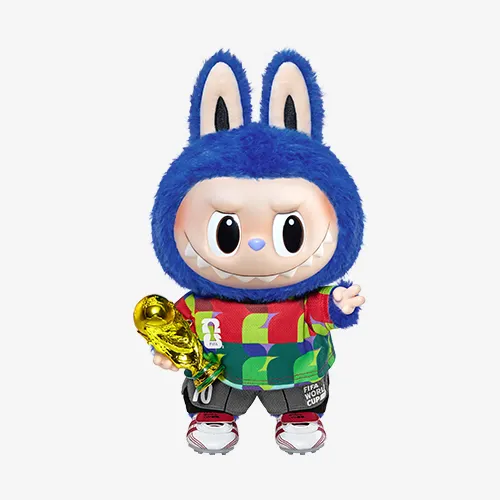 FIFA
FIFA CARTOONS
 ANIME
ANIME Disney
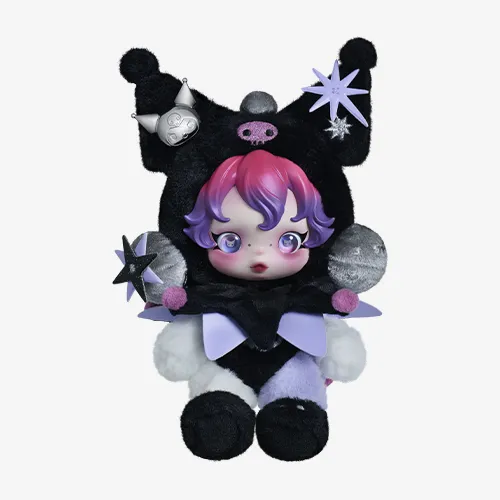 Sanrio & Kitty