
 USD
USD
 SkullPanda
 Labubu
 SONNY ANGEL
 Mofusand
 Crybaby
 Nommi
Nommi Maymei
 Hirono
 Wakuku
 Sanrio
 Molly
Molly Royal Molly
 Twinkle Twinkle
 Dimoo
Dimoo BABY THREE
 Sleepless Grumpipi
 Azura
Azura Winnie the Pooh
 Peach Riot
 Pino Jelly
 Kubo
Kubo Chaka
Chaka Pucky
Pucky Nyota
Nyota Zsiga
Zsiga Hacipupu
 Shin-chan
 Naruto
 Spongebob
 DORA
DORA PPG
PPG Smiski
 FARMER BOB
 Q Kid
Q Kid Pokémon
LED lighting is best for collectible figure displays over natural light, as it produces minimal heat and UV to prevent fading, offers high CRI (90+) for accurate colors at 4000–5600K, and maintains safe 200–500 lux levels. Avoid direct sunlight; use dimmable, filtered LEDs in cabinets like Detolf for vinyl, resin, and premium figures.
Check: FIGURES
Featured Snippet Natural sunlight contains ultraviolet (UV) radiation that degrades paint pigments, fades vinyl and resin materials, and causes yellowing over time. Direct sun also generates heat that can warp articulation joints, crack paint layers, and damage delicate materials in premium figures like Pop Mart Labubu or Sonny Angel collectibles. Even indirect window light poses long-term risks to valuable collections.
If you've invested in rare or limited-edition figures—whether it's a Swarovski-customized Pop Mart piece or a vintage SkullPanda collectible—natural light is actually your collection's silent enemy. UV radiation in sunlight breaks down the chemical bonds in paint and vinyl, causing visible fading within weeks of window display. Collectors who've placed figures on sunny shelves report noticeable color shifts, particularly on pastel-colored Molly figures or the intricate paint details on Labubu sculptures.
Heat amplification is the second danger. Sunlight streaming through windows can raise ambient temperatures around your display by 10–15°C on warm days. For articulated figures with glued joints, this thermal stress causes adhesives to weaken. Vinyl becomes brittle. Paint can crack and peel. The damage is often irreversible and significantly reduces resale value—a critical concern for collectors treating figures as investment pieces.
The unpredictability of natural light also makes it impossible to maintain consistent color rendering. Morning light differs from afternoon light, and seasonal changes shift the entire color temperature of your display. This inconsistency makes photography difficult for collectors who share their collections on Instagram or collector forums, and it prevents you from truly appreciating the figure's intended aesthetic.
Featured Snippet LED lights emit virtually no UV radiation and produce 90% less heat than incandescent bulbs, protecting vinyl and paint from fading and thermal damage. LEDs convert energy directly into light rather than heat, keeping display temperatures stable. Modern LED systems include UV-filtering options and adjustable intensity to safely illuminate figures for years without degradation.
LEDs represent a fundamental shift in how collectors should approach display lighting. Unlike incandescent or halogen bulbs that waste energy as heat, LEDs are engineered to convert electrical energy directly into light—up to 90% efficiency. This means your SkullPanda collection sits under a cool light source that won't cause the material stress associated with heat buildup.
The UV protection advantage is equally critical. Quality LED systems emit virtually no ultraviolet radiation, eliminating the primary cause of vinyl fading and paint degradation. This is especially important for Popboxss's premium vinyl lines like Molly, which feature delicate pastel finishes vulnerable to UV exposure. With LEDs, your figures maintain their original color intensity for decades, preserving both aesthetic appeal and collector value.
LED systems also offer something natural light never can: precise control. You can adjust brightness, color temperature, and intensity to match your figure's design intent. A Sonny Angel figure with warm peachy tones looks best under warm-toned LEDs (3000–4000K), while detailed Labubu sculptures with intricate shading benefit from cooler, brighter LEDs (5000–6500K) that reveal sculpted depth. This flexibility means your display adapts to the figure, not the other way around.
Featured Snippet Use LED lights with CRI (Color Rendering Index) of 90 or higher for accurate color representation. Optimal color temperature ranges from 4000K to 5600K—neutral daylight that reveals true figure colors without warm or cool distortion. High CRI combined with mid-range Kelvin ensures paint details and material finishes appear as intended by designers.
CRI is a metric that measures how accurately a light source reveals an object's true colors compared to natural daylight. On a scale of 0–100, LEDs rated 90+ are considered excellent for display purposes. This is non-negotiable for serious collectors. A CRI below 80 will make your Molly figures look dull, muddy, and lifeless—even if they're pristine. High CRI (90+) LEDs make colors pop and reveal the nuanced shading that separates a mediocre figure from a museum-quality collectible.
Color temperature, measured in Kelvin (K), determines whether light appears warm (yellowish) or cool (bluish). For figure displays, the sweet spot is 4000–5600K, which mimics neutral daylight without color bias. This range works universally across all figure types and materials:
Popboxss collectors often report that upgrading to high CRI (90+) LEDs in the 4500–5000K range transforms how they perceive their collections. Details previously invisible under poor lighting suddenly emerge. The investment in proper CRI and Kelvin rating pays dividends in both display satisfaction and photography quality.
Featured Snippet Choose dimmable LED strips or panels with CRI 90+, color temperature 4000–5000K, and adjustable intensity (200–500 lux). Avoid direct, high-intensity spotlights; use diffused or indirect lighting. UV-filtering film or frosted diffusers add extra protection. Popular options include linkable LED bars and cabinet-specific kits designed for Detolf displays.
Molly figures, with their signature pastel aesthetic and delicate paint work, are particularly vulnerable to fading. The solution isn't to hide them—it's to light them intelligently. Fading occurs when light intensity exceeds safe thresholds or when UV exposure accumulates over time. By controlling both factors, you preserve the figure's appearance indefinitely.
Dimmable LED systems are your best defense. Unlike fixed-brightness lights, dimmable LEDs let you adjust intensity based on ambient conditions and how long figures are displayed. For daily viewing, 300–400 lux is ideal. For special occasions or photography, you can increase to 500 lux temporarily without causing damage. This flexibility prevents the cumulative fading that occurs under constant high-intensity lighting.
Diffusion is equally important. Direct LED spotlights, while dramatic, concentrate light intensity on a small area and can cause uneven fading. Instead, use diffused LED strips or panels that distribute light evenly across your display. Frosted diffuser panels ($10–20) fit over standard LED bars and scatter light, eliminating harsh spots while maintaining color accuracy.
For Popboxss customers with Swarovski-customized figures, the stakes are even higher. These premium pieces combine delicate rhinestone work with hand-painted details. Pairing them with high-CRI, dimmable LEDs at 4000–5000K ensures the Swarovski elements sparkle without causing the paint to fade. Many collectors use a two-tier approach: ambient LED lighting at 300 lux for daily display, and brighter spotlights at 400–500 lux only during photography sessions.
Featured Snippet Position LED spotlights at 45-degree angles to figures to highlight sculpted depth and shadow definition. Use CRI 90+ LEDs at 5000–5600K for cool daylight that reveals fine details. Keep spotlight intensity at 400–500 lux maximum and maintain 12+ inches distance to avoid heat concentration. Combine spotlights with ambient fill lighting to prevent harsh shadows.
Check: How to Spot Fake Pop Mart Figures: The Complete 2026 Authenticity Checklist
Labubu figures are masterpieces of sculpted detail—from the character's expressive face to intricate body textures. Generic flat lighting flattens these details and wastes the designer's artistry. Strategic spotlight placement transforms a good display into a stunning showcase.
The 45-degree angle rule is fundamental. Position your spotlight at a 45-degree angle to the figure's face and body. This angle creates shadow definition that reveals sculpted planes without creating harsh, unflattering shadows. If your light comes straight from the front, details disappear. If it comes from directly above, you lose facial definition. The 45-degree sweet spot balances both.
For Labubu's intricate details, use cooler-temperature LEDs (5000–5600K). Cool light naturally emphasizes shadow and highlight contrast, making sculpted details pop. Pair this with high CRI (90+) to ensure the subtle color variations in Labubu's paint work remain visible and accurate.
Distance matters. Keep spotlights at least 12 inches away from the figure. Closer placement concentrates heat and can cause localized fading or, in extreme cases, material warping. The farther your light source, the more diffuse the beam becomes—which is actually beneficial for preventing damage while still revealing detail.
Never use spotlights alone. Combine them with ambient fill lighting (softer, indirect LEDs) to prevent harsh shadows that obscure details rather than reveal them. A common setup: ambient lighting at 300 lux provides baseline visibility, and spotlights at 400 lux add directional emphasis. This layered approach gives depth without sacrificing safety.
Featured Snippet Safe display lux levels range from 200–500 lux depending on duration and figure material. For daily ambient lighting: 200–300 lux. For active viewing or photography: 400–500 lux maximum. Vinyl figures like SkullPanda tolerate higher lux than delicate resin pieces. Avoid exceeding 500 lux continuously; use timers or manual on/off to limit exposure.
Lux is the unit measuring light intensity at a surface. Understanding safe lux levels is critical because it's the primary factor determining fading speed. Higher lux accelerates UV damage and heat-related degradation. Lower lux preserves figures but may make details hard to see.
| Figure Type | Recommended Lux Level | Daily Exposure | Special Occasions |
|---|---|---|---|
| Vinyl (SkullPanda, Molly) | 250–400 lux | Up to 8 hours | 500 lux for 1–2 hours |
| Resin (Labubu) | 200–350 lux | Up to 6 hours | 400 lux for 1–2 hours |
| Articulated (Premium Figures) | 300–400 lux | Up to 8 hours | 500 lux for 1–2 hours |
| Swarovski-Customized | 250–350 lux | Up to 6 hours | 400 lux for 1–2 hours |
SkullPanda figures, typically made from durable vinyl, tolerate the higher end of this range (350–400 lux) for daily display. Sonny Angel figures, often featuring delicate pastel finishes, perform better at 250–300 lux for long-term preservation. The difference might seem small, but over months and years, it compounds significantly.
The key variable is exposure duration. A figure can safely handle 500 lux for a 2-hour photography session but would fade noticeably if exposed to 500 lux continuously for 8 hours daily. If your display is always on, keep lux at 250–350. If you use timers—lighting only during evening viewing hours—you can safely use 400–500 lux.
Popboxss collectors with premium or rare pieces should invest in smart lighting with programmable timers. Set ambient lights to turn on at 6 PM and off at 11 PM (5 hours daily at 300 lux) rather than leaving them on 24/7. This extends figure lifespan dramatically while still providing enjoyable evening display time.
Featured Snippet Yes, LED lighting works excellently in Detolf cabinets. Use adhesive LED strips (not spotlights) along the top or sides to avoid glare on glass doors. Diffuser panels or frosted film reduce reflections. Cool white LEDs (5000K) minimize glare better than warm white. Keep strips 2–3 inches from glass to prevent heat buildup inside the cabinet.
The Detolf cabinet is the collector's standard display solution—affordable, compact, and designed for figure showcasing. However, its glass doors create a glare challenge. Direct spotlights reflect harshly off glass, obscuring your figures and creating an amateur appearance. The solution is strategic LED placement and diffusion.
Top-mounted LED strips are ideal. Position them along the top interior edge of the cabinet, angled slightly downward. This placement provides even illumination across all shelves while keeping the light source out of direct line-of-sight to the glass doors. Adhesive LED strips ($20–40) are easy to install and offer customizable brightness and color temperature.
Glare reduction techniques:
Heat buildup inside sealed Detolf cabinets is a secondary concern. LED strips emit minimal heat, but leaving them on continuously in a confined space can raise interior temperature by 5–10°C. Use timers to limit daily exposure to 5–6 hours, or ensure the cabinet has small ventilation gaps. This maintains both figure safety and longevity of the LED components themselves.
Featured Snippet Quality LED kits under $100 include link


















 Hot Sales
 Trending
 PRE ORDER
 Daily updates
 BLIND BOX
 PLUSH PRENDANT
 Plush Doll
 BJD
BJD FIGURES
 MINI BEANS
 Master Collector
 Region restriction
 MEGA
MEGA Cups
Cups Phone
Phone Toy Clothes
 Bags
Bags Card Holders
 FIFA
FIFA CARTOONS
 ANIME
ANIME Disney
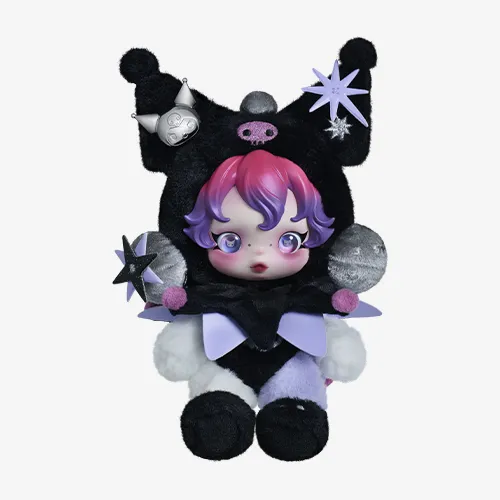 Sanrio & Kitty