 USD
USD
 SkullPanda
 Labubu
 SONNY ANGEL
 Mofusand
 Crybaby
 Nommi
Nommi Maymei
 Hirono
 Wakuku
 Sanrio
 Molly
Molly Royal Molly
 Twinkle Twinkle
 Dimoo
Dimoo BABY THREE
 Sleepless Grumpipi
 Azura
Azura Winnie the Pooh
 Peach Riot
 Pino Jelly
 Kubo
Kubo Chaka
Chaka Pucky
Pucky Nyota
Nyota Zsiga
Zsiga Hacipupu
 Shin-chan
 Naruto
 Spongebob
 DORA
DORA PPG
PPG Smiski
 FARMER BOB
 Q Kid
Q Kid Pokémon
Designer plush toys differ from mass-market ones through premium PP cotton fills, artist collaborations, intricate stitching by skilled artisans, limited-edition blind box exclusivity, and high resale value (e.g., 3-5x retail), targeting adult collectors vs. child playthings. Mass-market uses cheap polyester, uniform machine production, and lacks rarity.
Check: Plush Doll
Designer plush toys are limited-edition, artist-driven collectibles featuring premium materials, meticulous hand-stitching, and exclusive IP collaborations (like Pop Mart's SkullPanda or Labubu). Mass-market plush are mass-produced, machine-sewn toys using budget materials, designed for bulk consumption without scarcity or artist involvement. Designer plush target adult collectors; mass-market targets casual buyers and children.
The distinction between designer plush and mass-market versions goes far beyond aesthetics. Designer plush toys represent a shift in how adults engage with collectibles—moving from childhood nostalgia to serious investment-grade items. These are curated, often released in blind box formats where mystery and scarcity drive demand. A designer plush from Pop Mart or an independent artist might cost $15–$50 per unit, with limited runs of 500 to 5,000 pieces globally. Mass-market plush, by contrast, are produced in quantities of hundreds of thousands, available year-round on Amazon, Walmart, and generic online retailers.
What separates them isn't just production volume—it's intent. Designer plush toys are conceived as collectible art objects first, toys second. They feature intricate character design, expressive facial features, and carefully considered color palettes that appeal to adult sensibilities. Mass-market plush are functional comfort items: soft, washable, replaceable. A designer SkullPanda plush from 2023 now resells for $40–$75 on secondary markets; a generic mass-market bear from the same year is worthless.
Designer plush use premium PP cotton (polyfill) or organic PLA fibers, offering superior softness, durability, and shape retention. Mass-market plush rely on cheap polyester or standard polyfill that degrades quickly, pilling after washing. Designer fills are hypoallergenic and eco-friendly; mass-market uses petroleum-derived synthetics prioritizing cost over quality.
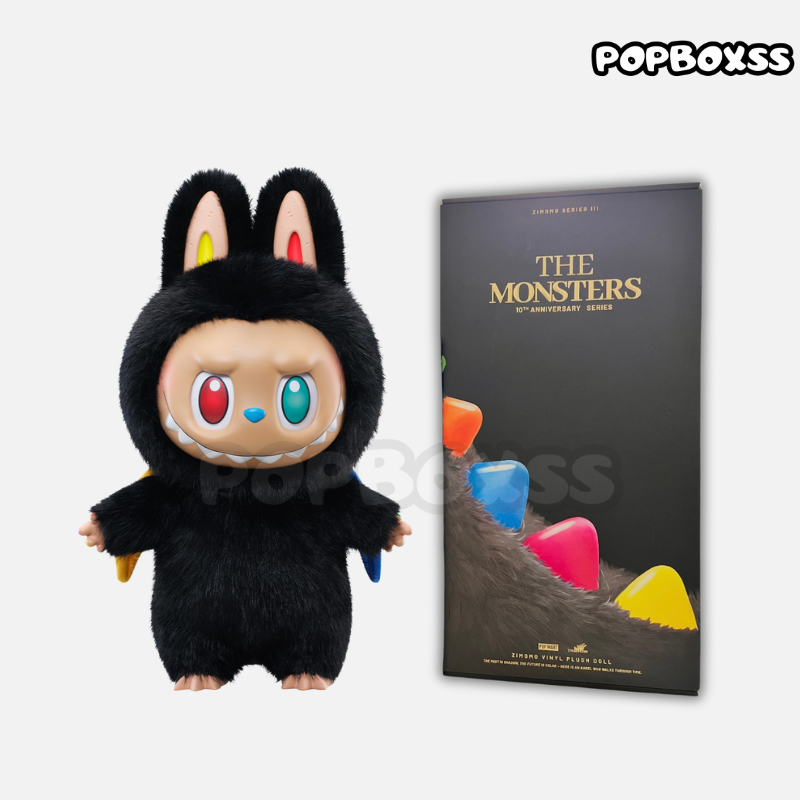
Material quality is the foundation of collector value. Premium designer plush toys utilize high-elasticity PP cotton filling—a refined version of standard polyfill that maintains its fluff and shape through years of display and handling. This material is light, resilient, and washable without degradation. Some luxury designer lines, particularly those targeting eco-conscious collectors, employ organic PLA fibers derived from renewable plant resources like corn or potatoes. These fibers are hypoallergenic, biodegradable, and GMO-free, addressing growing demand for sustainable collectibles among adult enthusiasts.
Mass-market plush typically use basic polyester fiberfill or budget PP cotton that lacks the elasticity and durability of premium grades. After repeated washing or prolonged storage, these fills compress, clump, and lose their original shape. The outer fabric on mass-market toys is often thin polyester or cotton blends that pill, fade, and wear visibly within months of regular handling.
| Material Dimension | Designer Plush | Mass-Market Plush |
|---|---|---|
| Fill Material | Premium PP cotton, organic PLA fiber | Basic polyester, standard polyfill |
| Durability | Holds shape for 5+ years with proper care | Degrades within 6–12 months |
| Softness | Plush or ultra-soft fabric (cotton, specialty blends) | Thin polyester or low-grade cotton |
| Hypoallergenic | Yes (especially PLA and organic options) | Varies; often contains irritants |
| Washability | Machine-washable, color-fast, quick-drying | Prone to fading, pilling, shrinkage |
| Environmental Impact | Eco-friendly, biodegradable options available | Petroleum-derived, non-biodegradable |
Designer plush from brands like Pop Mart are specifically engineered for collectors who display toys in climate-controlled spaces, handle them regularly for photography, and expect them to look pristine years later. Popboxss curates designer plush with verified premium PP cotton fills and superior fabric selection, ensuring that limited editions retain their collectible appeal and resale value. This material investment is why a designer plush commands 3–5 times the price of mass-market alternatives—and why that premium holds or appreciates on secondary markets.
Designer plush feature hand-stitched seams, precise embroidery details, and quality control by skilled artisans ensuring flawless assembly. Mass-market uses automated machine stitching with loose tolerances, visible seam imperfections, and minimal detail work. Designer stitching is durable and aesthetically refined; mass-market is purely functional.
Craftsmanship separates collectible designer plush from disposable mass-market toys. Premium designer plush dolls undergo rigorous quality control at every production stage. Skilled artisans hand-stitch critical seams—particularly around facial features, limbs, and stress points—ensuring durability and aesthetic perfection. Embroidered details like eyes, mouths, and decorative elements are executed with precision, often using specialty threads that resist fading and fraying.
Mass-market plush rely entirely on automated machine stitching with minimal human oversight. Seams are functional but often visibly loose, with thread tension inconsistencies that become apparent under close inspection. Details are printed or glued rather than stitched, making them vulnerable to peeling, fading, and wear. A designer plush from Pop Mart's Labubu series will display perfectly aligned facial features and reinforced seams that withstand years of handling; a mass-market knockoff will show thread gaps, uneven printing, and loose limbs within weeks.
This craftsmanship difference directly impacts collector perception and secondary market value. When you purchase a designer plush from Popboxss, you're investing in an item that will photograph beautifully, display flawlessly in a collection, and retain its structural integrity. The stitching quality alone justifies the premium price point for serious collectors who understand that a $30 designer plush will outlast and outperform a $5 mass-market alternative by a factor of ten.
Designer plush are created by named artists or design studios who conceptualize characters, approve production details, and maintain creative control. Mass-market plush are designed by corporate teams focused on profitability, lacking individual artistic vision or creator attribution. Artist involvement drives collector passion, authenticity, and perceived value.
Artist involvement is the soul of designer plush collectibles. Brands like Pop Mart collaborate with independent artists and design studios to create limited-edition characters with distinct personalities and visual identities. Each collaboration is credited, often including the artist's name on packaging, invoices, and product descriptions. Collectors aren't just buying a toy—they're supporting an artist's vision and owning a piece of their creative output.
This creator attribution drives emotional investment and community engagement. Fans of a specific artist will hunt for all their character releases, participate in blind box drops, and trade duplicates with other collectors. The artist's reputation and style become synonymous with the plush line, creating a brand loyalty that mass-market toys cannot replicate. A designer plush featuring original character design from an acclaimed artist commands higher resale premiums than identical-quality plush without artist attribution.
Mass-market plush are designed by anonymous corporate teams optimizing for production cost and retail appeal. There's no artist name on the packaging, no creative vision beyond "cute enough to sell." This anonymity, combined with infinite production runs, strips away the sense of ownership and artistic appreciation that makes designer plush valuable to collectors.
Blind box plush feature limited production runs (often 500–5,000 units globally) with random distribution, creating scarcity and chase variants. Collectors can't predict which character they'll receive, driving repeat purchases and secondary market trading. Mass-market plush are mass-produced indefinitely, eliminating scarcity and resale value.
Check: New Pop Mart Collectibles Gaining on Labubu: 2026 Trends and Next Big Toys
Blind boxes are the engine of designer plush value appreciation. Unlike mass-market toys sold openly with full visibility, blind box plush are packaged so buyers don't know which character they're receiving until opening. This randomization creates several collector dynamics that drive value:
Chase Variants: Limited runs include rare "chase" versions—alternate colors, special editions, or ultra-rare figures appearing in only 1 in 144 boxes. Collectors obsessively hunt for chases, driving repeat purchases and community engagement. A standard Labubu plush might retail for $15; a rare chase variant from the same series resells for $80–$200.
Scarcity by Design: Designer plush series are intentionally limited. Pop Mart might release 2,000 units of a SkullPanda series globally, then retire it permanently. Once sold out, availability exists only on secondary markets at inflated prices. Mass-market plush are restocked indefinitely, meaning yesterday's $10 toy is still $10 today and always will be.
Trading Economy: Collectors trade duplicates within communities, creating a secondary market ecosystem. This trading activity reinforces perceived value—if 50 collectors are actively seeking a specific character, its market price rises. Popboxss serves this ecosystem by offering authentic, verified designer plush with full transparency on production runs and rarity tiers, helping collectors make informed investment decisions.
Limited-edition designer plush appreciate 3–5x retail value within 12–24 months as production ends and demand persists. Early buyers who secure rare variants gain the highest returns. Mass-market toys depreciate to zero value as infinite supply eliminates scarcity. Designer plush function as collectible assets comparable to trading cards or sneakers.
The investment thesis for designer plush is straightforward: limited supply + sustained demand = appreciation. Early adopters of Pop Mart's SkullPanda series who purchased at $15–$20 retail can now resell original editions for $60–$100 on secondary markets. Rare chase variants from early runs command $150–$300. This isn't speculation—it's documented across collector forums, resale platforms, and auction sites.
The appreciation curve follows predictable patterns. Upon release, a designer plush series sells at retail as collectors build their collections. Within 3–6 months, the series sells out. As new collectors enter the market and existing collectors hunt for missing chase variants, demand outpaces supply. Secondary market prices climb steadily. After 12–24 months, appreciation plateaus at a stable premium (typically 2–5x retail), where serious collectors hold and occasional sellers list at market rates.
This investment behavior mirrors sneaker collecting and trading card markets, attracting sophisticated collectors who view designer plush as alternative assets. Unlike mass-market toys that lose value immediately after purchase, designer plush retain and grow value, making them smart acquisitions for collectors with long-term holding horizons. Popboxss facilitates this investment strategy by offering authentic, verified limited editions with full production transparency, allowing collectors to assess rarity and make data-driven purchasing decisions.
Pop Mart IPs like SkullPanda, Labubu, Molly, Hirono, and Sonny Angel feature distinctive character design, consistent quality, artist collaborations, and global collector communities. These IPs command premium pricing and resale values due to brand recognition, limited releases, and cultural relevance in kawaii collectibles. Mass-market brands lack this ecosystem and artistic prestige.
Pop Mart has established itself as the premier designer plush brand globally, creating iconic IP characters that transcend toy categories. Each IP has a distinct visual identity, backstory, and collector following:
| Pop Mart IP | Character Style | Collector Appeal | Typical Resale Premium |
|---|---|---|---|
| SkullPanda | Kawaii skull with pastel colors | Goth-cute aesthetic, early adopters | 3–5x retail |
| Labubu | Rabbit-like creature with expressive features | Mainstream appeal, broadest collector base | 2–4x retail |
| Molly | Girl character with fashion variations | Fashion-forward collectors, customization enthusiasts | 2–3x retail |
| Sonny Angel | Cherub with seasonal themes | Luxury segment, gift collectors | 2–3x retail |
| MEGA Series | Oversized collectibles with premium finishes | Display-focused collectors, completionists | 1.5–2x retail |
These IPs succeed because Pop Mart invests in artist collaborations, consistent quality control, and limited-edition scarcity. Each series release is an event in the collector community, with fans camping online for drops and trading actively on secondary markets. The brand's authenticity guarantee—official invoices, supply chain transparency, and authorized distribution—creates trust that mass-market brands cannot replicate.
Popboxss specializes in authentic Pop Mart IPs, offering verified limited editions with full provenance and 3–5 day US delivery from our Los Angeles warehouse. For collectors serious about investment returns and collection completeness, Popboxss provides the reliability and speed that serious collectors demand.
Authenticate designer plush by verifying official invoices, checking packaging quality (crisp printing, secure seals), inspecting stitching precision and material softness, confirming QR codes with brand databases, and purchasing from authorized retailers like Popboxss. Counterfeits feature loose stitching, cheap fills, blurry printing, and no invoice verification.
Counterfeit designer plush flood online marketplaces, preying on collectors unfamiliar with authentication markers. Fake Pop Mart plush are produced in bulk overseas, mimicking original designs but failing on critical quality metrics. Here's how to spot fakes:
Invoice Verification: Authentic designer plush from authorized retailers include official invoices with batch numbers, production dates, and retailer stamps.


















 Hot Sales
 Trending
 PRE ORDER
 Daily updates
 BLIND BOX
 PLUSH PRENDANT
 Plush Doll
 BJD
BJD FIGURES
 MINI BEANS
 Master Collector
 Region restriction
 MEGA
MEGA Cups
Cups Phone
Phone Toy Clothes
 Bags
Bags Card Holders
 FIFA
FIFA CARTOONS
 ANIME
ANIME Disney
 Sanrio & Kitty