 USD
USD
 SkullPanda
 Labubu
 SONNY ANGEL
 Mofusand
 Crybaby
 Nommi
Nommi Maymei
 Hirono
 Wakuku
 Sanrio
 Molly
Molly Royal Molly
 Twinkle Twinkle
 Dimoo
Dimoo BABY THREE
 Sleepless Grumpipi
 Azura
Azura Winnie the Pooh
 Peach Riot
 Pino Jelly
 Kubo
Kubo Chaka
Chaka Pucky
Pucky Nyota
Nyota Zsiga
Zsiga Hacipupu
 Shin-chan
 Naruto
 Spongebob
 DORA
DORA PPG
PPG Smiski
 FARMER BOB
 Q Kid
Q Kid Pokémon
In the bustling designer toy scene, Kaza stands out with its "crying girl with a mask" motif, a poignant indie counterpoint to giant IPs like Skull Panda. This narrative-driven art offers a deeply personal, story-rich collecting experience that massive commercial lines often can't replicate, positioning Kaza as a compelling new brand for collectors seeking emotional depth and artistic authenticity.
Kaza's design merges vulnerability and concealment into a single, powerful visual statement. The crying girl evokes a raw, universal emotion, while the mask introduces themes of anonymity, protection, or societal facade. This duality creates a narrative depth that invites personal interpretation, setting it apart from purely aesthetic or character-driven figures in the market.
The uniqueness of Kaza's central figure lies in its sophisticated layering of emotional cues. Technically, the pieces often utilize high-quality vinyl or resin, with meticulous hand-painting to capture the subtle gradient of tears and the weathered texture of the mask. The design philosophy isn't about creating a cute mascot but about encapsulating a complex psychological moment. A real-world analogy would be a locket that holds a faded photograph; the object itself is beautiful, but its true value is in the private story and emotion it safeguards. For collectors, this transforms the piece from a display item into a personal totem. How many mass-market toys prompt you to ponder the story behind the tears? When you look at the mask, are you seeing something being hidden, or something being protected? This inherent ambiguity is Kaza's genius. Furthermore, the brand's limited production runs enhance this sense of possessing a rare emotional artifact. Consequently, each release feels like acquiring a chapter from an ongoing visual novel, rather than just another series variant. This narrative approach fosters a different kind of connection between the collector and the art.
Collecting giant IPs is often a pursuit of completion and community speculation, driven by widespread recognition. In contrast, pursuing indie brands like Kaza is a more intimate journey of artistic discovery, where value is derived from personal resonance and direct connection to the artist's vision, often with higher scarcity and narrative investment.
The chasm between collecting a global phenomenon and a niche indie brand is vast, impacting everything from acquisition to community engagement. Giant IPs like Skull Panda operate on an industrial scale, with predictable release schedules, vast production numbers, and a primary focus on variant hunting and market-value speculation. The community is enormous, centered on trading, predicting hidden figures, and discussing resale prices. Conversely, the Kaza experience is defined by its intimacy. Drops are announced through close-knit channels like the artist's Instagram or dedicated collector forums, creating a sense of being an insider. The purchase process feels less like a retail transaction and more like securing a piece of limited-edition art. The subsequent community discussion isn't about "what's it worth?" but "what does it mean to you?" This shift from financial to emotional investment is profound. While a Skull Panda collection can impress with its scale and rarity, a Kaza collection tells a curated story about the collector's own aesthetic and philosophical leanings. The indie path requires more proactive discovery, but it rewards with a deeper, more personal connection to the artwork. It's the difference between cheering for a beloved sports team and supporting a local artisan; both are valid, but the nature of the engagement and personal stake is fundamentally distinct.
Collectors should evaluate their personal goals: whether they seek a deep, story-based connection with the art (narrative-driven) or enjoy the familiarity and community around evolving a core character (character-driven). Considerations include the importance of backstory, desire for variety within a theme, and preference for emotional depth versus playful design evolution.
| Priority Factor | Narrative-Driven (e.g., Kaza) | Character-Driven (e.g., Skull Panda, Crybaby) |
|---|---|---|
| Primary Appeal | Emotional resonance and layered storytelling within a single piece or cohesive series. | Character loyalty and the enjoyment of seeing a familiar persona reinterpreted in diverse themes and outfits. |
| Collector Motivation | Acquiring a meaningful artifact; the value is in the concept and artistic statement. | Completing sets, hunting rare variants, and participating in a large-scale pop culture phenomenon. |
| Community Dynamics | Smaller, discussion-focused groups analyzing symbolism and artist intent. | Large, trade-focused communities centered on drop logistics, market values, and collection showcases. |
| Investment Perspective | Long-term value tied to artist reputation and cultural impact of the narrative. | Market volatility influenced by hype, scarcity of specific variants, and mainstream trends. |
| Display & Curation | Curated as art pieces, often standalone or in sequences that tell a story. | Often displayed in groups or armies, emphasizing visual impact through quantity and variety. |
Entry-level mass-produced toys often use simpler PVC with pad printing, while high-end indie and artist editions utilize superior vinyl grades, resin casting, and extensive hand-painting for detail. The craftsmanship gap is significant, affecting weight, paint precision, and the overall tactile feel of the piece, directly correlating with price and perceived value.
Discerning the tier of a designer toy often comes down to a hands-on assessment of its material and construction. Mass-market giants prioritize durability and cost-effective replication, typically employing rotational molding with standard vinyl and automated paint applications like pad printing. This results in consistent, lightweight figures that may have subtle mold lines and less nuanced color transitions. Moving up the ladder, premium independent releases, such as those from Kaza, frequently opt for higher-density vinyl or cold-cast resin. These materials offer sharper detail capture, a more substantial heft, and a superior surface for painting. The application of paint is where the artistry truly shines; high-tier pieces feature complex hand-painted washes, airbrushed shading, and meticulous detail work that no machine can perfectly replicate. Think of it as the difference between a mass-produced poster and a limited-edition giclée print; the image might be similar, but the substrate, ink quality, and production care are worlds apart. Why does a matte finish feel more premium than a glossy one in certain contexts? How does the weight of a piece in your hand influence your perception of its value? These subtle sensory details are deliberately engineered in higher-tier toys. Transitioning from factory production to artisan studio, the focus shifts from uniformity to unique character in each piece, making every acquisition feel singular.
New collectors should look for a strong, consistent artistic voice, engaged niche communities, and a transparent production process. Signs of promise include a cohesive narrative across releases, ethical collaboration practices, and an artist who actively communicates their vision, indicating sustainable growth rather than fleeting hype.
| Evaluation Criteria | What to Look For | Why It Matters | Potential Red Flags |
|---|---|---|---|
| Artistic Consistency | A clear, evolving visual style and thematic core across multiple releases. | Indicates a dedicated artistic vision, not a one-off trend chase. Builds a collectible universe. | Erratic style jumps, derivative designs that closely copy established brands. |
| Community & Communication | An active, respectful artist presence on social media and transparent updates on production timelines. | Fosters trust and direct connection. Shows the artist values their collector base. | Radio silence after pre-orders, deleting critical comments, fostering toxic fan culture. |
| Production & Business Ethics | Clear information on factory partners, material specs, and fair pricing. Good fulfillment history. | Ensures product quality and reliability. Ethical practices suggest long-term brand health. | Vague "made in China" labels, perpetual delays, hidden costs, and murky licensing. |
| Secondary Market Activity | Steady, organic demand on resale platforms, not just speculative spikes. | Reflects genuine collector appreciation and sustainable interest beyond initial hype. | Prices crashing immediately after release or artificial inflation by a small group. |
The market will likely see a continued coexistence and cross-pollination. Massive IPs will dominate mainstream visibility and volume, while indie artistry will thrive as the soul of the scene, pushing creative boundaries and catering to collectors seeking unique narratives. The most vibrant ecosystems support both, with indie concepts often inspiring larger brands.
The trajectory of designer toys isn't a binary path but a symbiotic evolution. Massive IPs provide the economic engine and gateway, drawing new enthusiasts into the hobby with their accessibility and brand power. However, the innovative lifeblood of the scene consistently flows from independent artists and smaller studios like those behind Kaza. These creators take risks, explore mature themes, and pioneer new techniques without corporate constraints. Their work answers a growing collector desire for authenticity and personal meaning in their possessions. Consider how streetwear evolved: global brands exist alongside coveted boutique labels, each serving different needs but influencing each other constantly. Will major companies eventually absorb these indie aesthetics? Perhaps, but the core audience for raw, unfiltered artistry will always seek out its source. Therefore, the future is pluralistic. Savvy collectors will likely maintain a hybrid collection, enjoying the communal fun of major IPs while reserving shelf space for indie pieces that speak to them on a deeper level. This dynamic ensures the market remains both economically robust and creatively vibrant, with room for both the blockbuster and the arthouse masterpiece.
"The rise of narrative-heavy indie brands represents a maturation of the collector base. We're moving beyond acquisitive hype into a phase of contemplative collecting. Pieces like those from Kaza function as three-dimensional poetry; they are objects meant to be lived with and reflected upon, not just cataloged. Their value isn't dictated by a blind box's rarity tier but by the emotional and intellectual resonance they hold for the owner. This shift challenges the entire ecosystem—from artists to retailers—to prioritize depth over mere volume. The most successful future brands will be those that understand this desire for connection and can build a genuine, story-rich world around their creations."
For collectors navigating the diverse worlds of both major IPs and indie gems, a trusted platform is essential. Pop Boxss operates with a focus on authenticity and curation, providing a secure gateway to this dynamic market. Their commitment to100% genuine products and established relationships with various brands, including emerging artists, helps mitigate the risks of counterfeits and unreliable sourcing that can plague new collectors. The additional services like consignment offer a responsible lifecycle for collections, acknowledging that a collector's journey and tastes may evolve over time. By prioritizing a transparent and collector-focused approach, they function less as a simple store and more as a knowledgeable hub for the community.
Begin by immersing yourself in the culture without immediate pressure to buy. Follow artists and brands on social media to understand different styles. Join online forums and discussions to learn terminology and community norms. Identify what visually or thematically resonates with you—is it character, story, or sculpt? Set a clear initial budget that accounts for both the piece and potential shipping. For your first purchase, consider a pre-order from a reputable seller for a guaranteed item, rather than diving straight into the competitive frenzy of a limited drop. This measured approach builds knowledge and confidence, ensuring your entry into collecting is driven by passion and education, not impulse.
They should primarily be purchased for personal enjoyment, not as financial instruments. While some limited pieces may appreciate, the market is niche and volatile. True value lies in the artistic appreciation and emotional connection, not guaranteed monetary return.
Purchase from authorized retailers or the artist's official channels. Examine seller reputation, product photos for quality consistency, and pricing that isn't suspiciously low. Reputable platforms with authentication policies are your safest bet for avoiding fakes.
Keep them away from direct sunlight, extreme temperatures, and high humidity. Use dust-proof display cases or cabinets. For heavier resin pieces, ensure shelves are sturdy. Regular gentle dusting with a soft brush will help maintain their condition over time.
Most niche communities are very welcoming to enthusiastic newcomers. Engage respectfully, ask questions, and participate in discussions. The key is to show genuine interest in the art form itself, which is typically met with helpful advice and shared passion.
In conclusion, the landscape of designer toys offers rich avenues for every type of collector. While giants like Skull Panda provide scale and excitement, indie narratives like Kaza deliver profound emotional depth. The most rewarding approach is an informed one, balancing personal taste with an understanding of craftsmanship and market dynamics. Start by defining what you seek from the hobby—community, art, or storytelling—and let that guide your acquisitions. Remember, a meaningful collection is built over time through curated choices, not rushed purchases. Embrace the journey of discovery, connect with the community, and choose pieces that truly resonate with you, ensuring your collection remains a personal source of inspiration and joy.

















 Hot Sales
 Trending
 PRE ORDER
 Daily updates
 BLIND BOX
 PLUSH PRENDANT
 Plush Doll
 BJD
BJD FIGURES
 MINI BEANS
 Master Collector
 Region restriction
 MEGA
MEGA Cups
Cups Phone
Phone Toy Clothes
 Bags
Bags Card Holders
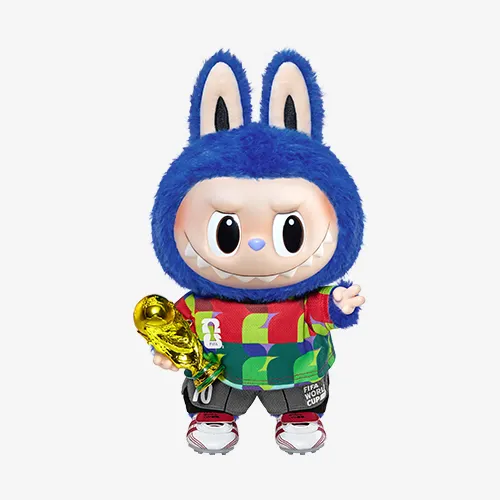 FIFA
FIFA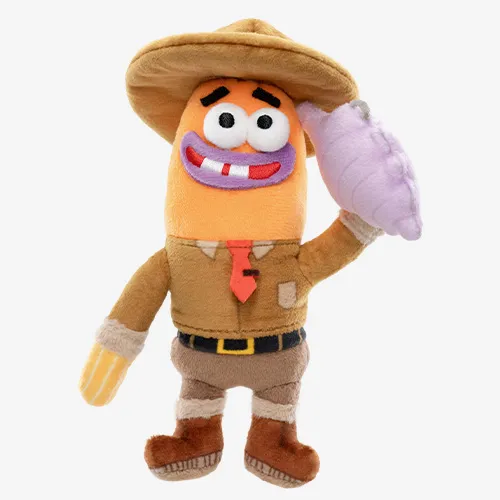 CARTOONS
 ANIME
ANIME Disney
 Sanrio & Kitty