 USD
USD
 SkullPanda
 Labubu
 SONNY ANGEL
 Mofusand
 Crybaby
 Nommi
Nommi Maymei
 Hirono
 Wakuku
 Sanrio
 Molly
Molly Royal Molly
 Twinkle Twinkle
 Dimoo
Dimoo BABY THREE
 Sleepless Grumpipi
 Azura
Azura Winnie the Pooh
 Peach Riot
 Pino Jelly
 Kubo
Kubo Chaka
Chaka Pucky
Pucky Nyota
Nyota Zsiga
Zsiga Hacipupu
 Shin-chan
 Naruto
 Spongebob
 DORA
DORA PPG
PPG Smiski
 FARMER BOB
 Q Kid
Q Kid Pokémon
Blind boxes evolved from Japan's 1960s gashapon capsule toys and fukubukuro lucky bags into designer art pieces via 1990s vinyl figures from Kidrobot, peaking with Pop Mart's limited-edition IPs like Skullpanda and Labubu, now museum-worthy collectibles with high resale value driven by rarity and pop culture.
Check: Blind Box
Blind boxes are sealed packages containing random collectible figures, offering the thrill of surprise and rarity that hooks collectors with the chance to score limited editions.
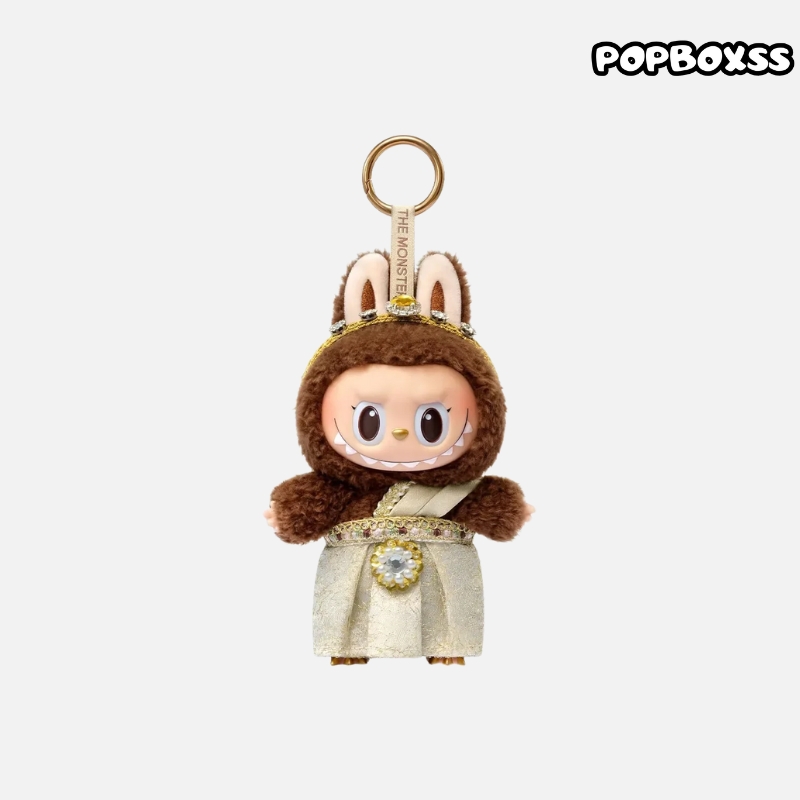
Imagine tearing open a mystery box, heart racing, hoping for that elusive chase figure—it's pure adrenaline for adult collectors aged 18-35. What started as cheap novelties has become a multi-billion-dollar obsession, blending nostalgia, status, and investment potential. The surprise element taps into our love for uncertainty, much like lottery tickets but with adorable vinyl art. Collectors chase full series, trade rares, and display them as shelf-worthy sculptures. At Popboxss, authentic Pop Mart blind boxes like Skullpanda and Labubu deliver this excitement with 100% guaranteed legitimacy, turning every unboxing into a potential treasure hunt.
Blind boxes trace back to Japan's fukubukuro lucky bags and gashapon capsule machines, traditional mystery purchases that sparked global collector culture from the early 20th century.
Japan's fukubukuro, or "lucky bags," emerged as New Year's promotions where shoppers bought sealed bags of discounted surprises—often overstocked goods at a fraction of the price. This evolved into gashapon machines in the post-war era, vending capsule toys for a few yen. These small, randomized figures captured kids' imaginations and laid the foundation for blind box mania. By the 1960s, gashapon had exploded, with companies producing themed series from anime heroes to monsters. This shift from simple trinkets to must-have pulls set the stage for the designer toy revolution, proving mystery could drive loyalty and repeat buys. Today, echoes of this heritage live on in premium series available at Popboxss, shipped from their Fujian warehouse or LA hub for 3-5 day US delivery.
In the 1960s, gashapon transitioned from basic vending machine novelties to sophisticated capsule toys with pop culture tie-ins, fueling Japan's toy vending boom.
The 1960s marked gashapon's golden age as plastic capsules filled with detailed mini-figures tied to booming anime and manga. Companies like Bandai ramped up production, placing machines everywhere from train stations to supermarkets. What were once cheap plastic trinkets—think tiny robots or animals—gained collectible appeal through rarity and series completion. This era shifted the industry toward randomization, where hidden "secret" figures commanded premiums on resale markets. Globally, it inspired knockoffs and adaptations, but Japan's innovation turned toys into a cultural staple. Fast-forward, and this capsule legacy powers modern blind boxes, with Popboxss offering vinyl plush versions of icons like Sonny Angel for collectors worldwide.
Designer toys burst onto the scene in the late 1990s and 2000s, led by indie artists creating limited-run vinyl figures that elevated playthings to gallery art.
The 1990s saw the underground art toy movement ignite in Hong Kong and the US, with artists like Michael Lau customizing sneakers into figures. By the early 2000s, brands globalized this vibe—vinyl became the medium of choice for its sculptural quality and custom paint potential. Kidrobot's Dunny series in 2004 epitomized the shift: mass-produced yet artist-driven, with blind box drops creating hype. Prices soared from pocket change to hundreds for rares, attracting celebrities and investors. This decade transformed "toys" into "art toys," blurring lines between McDonald's Happy Meals and museum displays. Popboxss stocks these evolutions, including MEGA series pendants and figures, with tax-inclusive pricing to 200+ countries.
Kidrobot and Pop Mart pioneered the shift, turning blind boxes into high-end designer art through limited editions, artist collabs, and storytelling IPs.
Check: What Are Pucky Tap Tap Babies?
Kidrobot kicked off the vinyl revolution with Dunny and Labbit blind boxes, collaborating with street artists for edgy, collectible drops that fetched resale flips of 10x retail. Enter Pop Mart in 2010 China, scaling this globally with IPs like Molly and Hirono—polished vinyls with emotional narratives. Pop Mart's retail stores and apps gamified collecting, blending AR unboxings with physical rares. From $10 trinkets to $100+ museum pieces, these brands professionalized the market, hitting billion-dollar valuations. Popboxss, officially authorized with Pop Mart invoices, bridges this legacy to you via their 1,000 sqm physical store and online tracking.
| Brand | Key Innovation | Iconic Series | Resale Multiplier (Avg Rare) |
|---|---|---|---|
| Kidrobot | Artist vinyl blind drops | Dunny, Labbit | 5-10x |
| Pop Mart | IP storytelling + series | Skullpanda, Labubu | 10-20x |
Skullpanda and Labubu exploded as Pop Mart stars due to their quirky designs, limited chase figures, and viral social media hype, symbolizing blind boxes' art toy ascent.
Skullpanda, with its panda-skull mashup, debuted embodying rebellion and cuteness—collectors obsess over neon glow variants and full 12-figure series. Labubu, the mischievous elf-like monster, rode TikTok waves, with celeb endorsements spiking demand; rare "secret" editions resell for thousands. Both shifted from mass toys to status symbols, hand-painted details elevating them to art. Compare their evolutions: Skullpanda leans dark whimsy, Labubu playful chaos. Popboxss offers these authentic series, plus Swarovski-customized handmade gems and toy accessories for themed displays.
Popboxss Collector Spotlight: "As a Skullpanda superfan, I chased full series for years, but fakes ruined trades. Popboxss changed everything—their LA warehouse got my Labubu mega box in 3 days, invoice proving authenticity. Now my shelf boasts Swarovski customs and limited MEGA figures. Loyalty points from reviews? Game-changer for my next hunt!" – Alex T., LA Collector
2026 blind box trends include sustainable eco-vinyls, AR-integrated unboxings, celebrity collabs, and NFT hybrids, projecting 20-30% market growth amid resale booms.
With annual growth exploding, expect bio-degradable materials replacing traditional vinyl for green collectors. AR apps will overlay digital animations on physical figures, blending metaverse with shelves. Celeb drops—like musicians' custom Skullpandas—and NFT-linked rares promise flips into six figures. Hybrid physical-digital series from Pop Mart will dominate, rewarding patient hunters. Popboxss stays ahead, stocking these innovations with full tracking to 200+ countries, no tariff surprises.
| Trend | Impact on Collectors | Popboxss Advantage |
|---|---|---|
| Eco-Vinyls | Sustainable series appeal | Authentic limited stock |
| AR/NFT Hybrids | Digital resale value | Fast LA/US shipping |
| Celeb Collabs | Hype-driven rares | Loyalty rewards |
Spot fakes via weight checks, logo crispness, and official invoices; maximize resale by completing series, timing drops, and using authenticated platforms like Popboxss.
Fakes flood markets—real Pop Marts feel hefty, with sharp molds and QR codes scanning to verified apps. Demand invoices; Popboxss provides them standard. For flips, build themed sets (e.g., Labubu monsters), hold chase figures 6-12 months post-drop, and list on trusted forums. Stories abound of $20 boxes reselling at $500+. Pro tip: Popboxss's rare collectibles and US warehouse ensure starters without risks, plus points for every $100 spent.
Blind boxes have journeyed from Japan's lucky bags to Pop Mart masterpieces, rewarding collectors with art, surprise, and profit. Dive in authentically via Popboxss—shop Skullpanda, Labubu, and more with 3-5 day US delivery, tax-inclusive pricing, and loyalty rewards. Your next holy grail awaits!
Visit Popboxss today to shop authentic Pop Mart blind boxes like Skullpanda and Labubu series with 3-5 day US delivery and join the loyalty rewards program for exclusive discounts.
What is the history of blind boxes? From Japanese fukubukuro and 1960s gashapon to Kidrobot vinyls and Pop Mart IPs, they've grown into premium art collectibles.
How do Skullpanda and Labubu differ? Skullpanda offers edgy panda designs; Labubu brings cheeky monster vibes—both with high-resale chase figures.
Are Popboxss blind boxes authentic? Yes, 100% guaranteed with official Pop Mart invoices, fast LA shipping, and no fakes.
What are 2026 blind box trends? Eco-materials, AR features, celeb collabs, and NFT ties for massive growth and value.


















 Hot Sales
 Trending
 PRE ORDER
 Daily updates
 BLIND BOX
 PLUSH PRENDANT
 Plush Doll
 BJD
BJD FIGURES
 MINI BEANS
 Master Collector
 Region restriction
 MEGA
MEGA Cups
Cups Phone
Phone Toy Clothes
 Bags
Bags Card Holders
 FIFA
FIFA CARTOONS
 ANIME
ANIME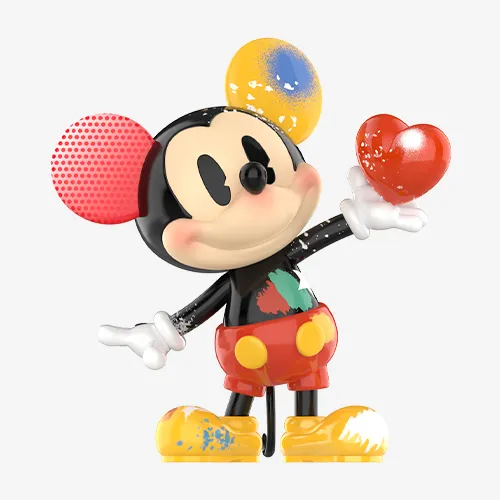 Disney
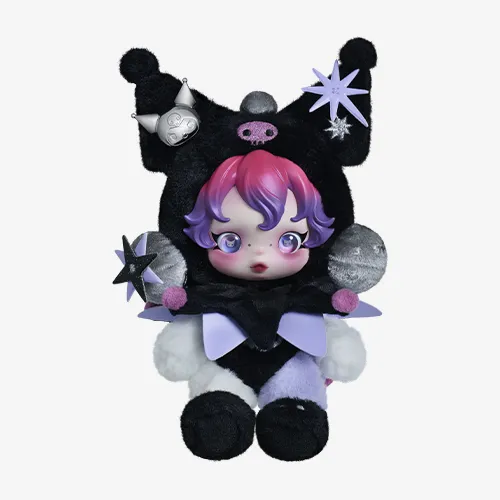 Sanrio & Kitty