 USD
USD
 SkullPanda
 Labubu
 SONNY ANGEL
 Mofusand
 Crybaby
 Nommi
Nommi Maymei
 Hirono
 Wakuku
 Sanrio
 Molly
Molly Royal Molly
 Twinkle Twinkle
 Dimoo
Dimoo BABY THREE
 Sleepless Grumpipi
 Azura
Azura Winnie the Pooh
 Peach Riot
 Pino Jelly
 Kubo
Kubo Chaka
Chaka Pucky
Pucky Nyota
Nyota Zsiga
Zsiga Hacipupu
 Shin-chan
 Naruto
 Spongebob
 DORA
DORA PPG
PPG Smiski
 FARMER BOB
 Q Kid
Q Kid Pokémon
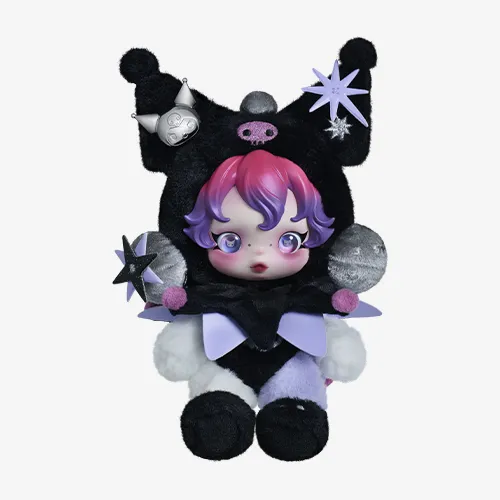
Creating custom outfits for your MayMei plush doll is a rewarding hobby that blends creativity with craftsmanship, allowing you to personalize your collectible and engage with a vibrant community of fellow enthusiasts. This guide will provide you with essential techniques, pattern insights, and material knowledge to start designing and sewing miniature doll clothes that reflect your unique style.
Designing a pattern for a MayMei doll starts with precise measurements of the doll's body, including circumference of the head, chest, and waist, as well as limb lengths. You then translate these measurements onto drafting paper, adding seam allowances and considering the stretch or drape of your chosen fabric. A simple A-line dress or a basic pair of pants are excellent beginner projects to understand scale and proportion in miniature garment construction.
The journey from a sketch to a wearable miniature garment hinges on mastering scale, which is arguably the most critical technical skill. A common scale for dolls like MayMei is around1:6, meaning one inch on the doll equals roughly six inches on a human. You begin by taking meticulous measurements using a soft tape measure, recording the chest, waist, hip, and back length. These numbers form your block pattern, the foundational template from which all designs evolve. When drafting, you must remember to include standard seam allowances, typically1/4 inch for small-scale sewing, to ensure pieces fit together after stitching. A pro tip is to create your first pattern from cheap muslin or an old pillowcase; this "toile" allows you to test the fit and make adjustments without wasting your good fabric. Think of it like an architect building a model before constructing a full-sized house—it saves time and materials. Why risk your beautiful silk on an untested design when a simple cotton mock-up can reveal fitting issues? After you perfect the mock-up, you can confidently cut into your final material, knowing the pieces will assemble correctly. Furthermore, transitioning from a basic block to a more complex design involves adding design lines for sleeves, collars, or pleats. With practice, you can adapt commercial patterns or even draft your own from scratch, unlocking endless possibilities for your MayMei doll's wardrobe.
Selecting the right fabric is crucial for the look, drape, and durability of doll clothes. Lightweight cottons, linens, and soft knits are ideal for everyday wear, while satins, lace, and velvets add luxury for special occasion outfits. Always pre-wash fabrics to prevent shrinkage, and consider using fusible interfacing to add body to collars or cuffs on these tiny garments.
Choosing materials for doll-scale fashion requires a keen eye for texture, weight, and workability. Natural fibers like cotton batiste, lawn, and lightweight linen are superb for their breathability and ease of handling; they press well and hold their shape without overwhelming the doll's small frame. For structured items like blazers or tailored coats, consider using wool felt or ultra-suede, which don't fray and provide clean edges. When working with slippery fabrics such as chiffon or charmeuse, a pro tip is to use a temporary fabric stabilizer or tissue paper under the seams while sewing to prevent puckering and shifting. Imagine trying to dress a delicate figurine in stiff burlap—the result would be bulky and unnatural, much like wearing a potato sack to a ballet. Instead, you want fabrics that move and flow with the doll's pose. How can you achieve a graceful ballgown skirt if the material is too heavy? For trims and accents, miniature ribbons, lace edging, and tiny buttons become jewelry for the garment. Additionally, the right thread matters; use a fine polyester or cotton thread that matches the fabric weight to avoid bulky seams. By thoughtfully pairing materials with your design intent, you elevate a simple outfit into a miniature masterpiece that feels as good as it looks.
A basic doll customization toolkit includes sharp, small scissors for fabric, fine sewing needles, pins with small heads, a seam ripper for corrections, and quality thread. A sewing machine with adjustable stitch length is helpful but not mandatory; hand-sewing offers great control for tiny pieces. Other useful items are fabric glue for non-sew details, an iron for pressing seams, and a thimble to protect your fingers.
Equipping your workspace with the proper tools transforms the customization process from frustrating to fluid. The cornerstone is a pair of dedicated, sharp fabric scissors—never use them on paper, as a dull blade will chew through delicate textiles. For hand-sewing, betweens or quilting needles in sizes9-12 are perfect for their short length and fine eye, allowing for precise stitches. A magnetic pin cushion is a game-changer for keeping tiny steel pins from disappearing, and a clover seam ripper offers surgical accuracy for undoing mistakes without damaging the fabric. Consider the humble thimble: it's not just a quaint relic but a functional tool that prevents needle-pushed calluses during extensive hand-work, acting like a hard hat for your fingertip. Would you build a bookshelf without a hammer and saw? Similarly, attempting intricate doll clothes without the right implements leads to uneven seams and frayed nerves. Furthermore, a small travel iron or a mini iron becomes indispensable for pressing seams open; a crisp press is what separates a homemade look from a professional finish. For those venturing into non-sew elements like attaching tiny charms or creating faux leather details, a fine-tip fabric glue provides a secure hold. Investing in these fundamental tools doesn't require a large budget, but it pays enormous dividends in the quality and enjoyment of your MayMei doll projects.
Theming outfits involves selecting a central concept, like "forest fairy" or "coffee shop date," and coordinating colors, fabrics, and accessories to tell that story. Props can be made from polymer clay, wood, or recycled materials. Sketch your ideas first, then break down the outfit into components—a dress, hat, and basket for a picnic theme, for instance—and build your pieces to complement each other.
Developing a cohesive theme for your MayMei doll is about storytelling through textiles and accessories. Start with a mood board, collecting images, color palettes, and texture swatches that evoke your chosen theme, whether it's a Victorian scholar or a modern rockstar. The clothing forms the base narrative, but props are the punctuation that complete the sentence; a tiny book, a miniature teacup, or a felt pet can add immense character. For instance, a "gardener" theme isn't just a sunhat and apron—it's the small clay flowerpot and faux-trowel she holds. What is a pirate without her treasure map and compass? These details invite the viewer into a miniature world. When constructing props, polymer clay is wonderfully versatile for food items or intricate items, while balsa wood is easy to cut and sand for furniture pieces. Remember to maintain scale; a prop that is too large will dwarf the doll and break the illusion. As you assemble the look, consider how the pieces interact: a flowing skirt might need a stand to pose the doll, or a large hat may require a tiny pin to secure it. By thoughtfully integrating outfit and environment, you create a diorama of personality, making your MayMei doll a unique piece of narrative art that stands out in any collection.
Common fitting issues include gapping armholes, pants that are too tight across the seat, and sleeves that restrict movement. Solutions often involve adjusting the pattern before cutting fabric: adding ease for movement, performing a "full bust adjustment" on a top, or slashing and spreading a pattern piece to add volume where needed. Always test fits with a muslin mock-up first.
Navigating the fitting puzzles of miniature garments requires a diagnostic eye and a systematic approach. A frequent issue is the armhole gap, where the fabric pulls away from the doll's shoulder, creating an unsightly hole. This is usually solved by deepening the armhole curve or adjusting the shoulder seam angle. Another common challenge is trousers that are too tight across the hips or too loose at the waist, which can be remedied by adding or subtracting width along the side seams and incorporating darts for shaping. Think of fitting a doll like tailoring a suit—it's the subtle adjustments that create a flawless silhouette. Why spend hours on beautiful embroidery only to have the garment fit poorly? The key is in the mock-up. Sew your initial pattern in cheap fabric, pin it onto the doll, and note where the fabric pulls or sags. Use colored pencils to mark adjustment lines directly on the mock-up. Common fixes include the "slash and spread" method to add fullness, or its opposite, the "slash and overlap," to reduce it. For sleeves, ensure the cap height matches the armhole depth and that there is enough ease for the doll to sit naturally. Addressing these issues at the pattern stage saves frustration and fabric, leading to custom outfits for your MayMei doll that look as though they were professionally made, with comfort and style in equal measure.
| Material Type | Best For Garment Types | Key Characteristics | Skill Level Recommended |
|---|---|---|---|
| Cotton Poplin & Broadcloth | Shirts, dresses, skirts, aprons | Lightweight, crisp, holds pleats well, easy to press | Beginner to Intermediate |
| Jersey Knit | T-shirts, leggings, casual dresses | Stretchy, forgiving fit, requires ballpoint needle | Intermediate |
| Silk Charmeuse/Satin | Evening gowns, blouses, lingerie | Luxurious drape, slippery, requires careful handling | Advanced |
| Felt & Wool Blends | Coats, hats, structured jackets, shoes | Non-fraying, holds shape, adds warmth and texture | Beginner to Intermediate |
| Lace & Tulle | Overlays, veils, decorative accents | Delicate, often sheer, can be scratchy if unlined | Intermediate to Advanced |
Effective styling involves posing the doll naturally and using props to create a scene. For photography, use natural, diffused light to avoid harsh shadows, and choose a simple background that doesn't distract from the outfit. Get down to the doll's eye level for engaging shots, and use macro mode on your camera or phone to capture fine details like stitching and textures.
Showcasing your customized MayMei doll is the final, rewarding step where you share your artistry with the world. Styling begins with posing; avoid stiff, straight-legged stands and instead bend the knees, tilt the head, or position the arms as if the doll is mid-action. Use poster tack or miniature doll stands to hold these dynamic poses securely. For the photoshoot, lighting is paramount—a north-facing window provides soft, even light that beautifully illuminates details without a harsh glare, much like the perfect lighting in an art gallery highlights a painting's texture. Would a museum spotlight a masterpiece in a dark corner? Similarly, your doll deserves flattering illumination. A simple backdrop, such as a solid-colored sheet or textured wall, keeps the focus on the garment's craftsmanship. Get creative with angles: shoot from above to show the full outfit layout, or get at eye-level for an intimate portrait that captures the doll's expression. Use the macro function to photograph intricate details like a hand-stitched hem or a tiny button. Finally, editing apps can help adjust brightness and contrast, but avoid heavy filters that alter the true colors of your fabric. By thoughtfully styling and photographing your work, you not only document your creation but also inspire others in the passionate MayMei collector community.
| Tool Category | Specific Tool Examples | Primary Use in Doll Crafting | Pro-Tip or Note |
|---|---|---|---|
| Cutting Tools | Sharp fabric scissors, rotary cutter, thread snips | Precise fabric cutting, trimming threads | Never use fabric scissors on paper; keep dedicated pairs. |
| Sewing Implements | Size9-10 sharps needles, silk pins, thimble | Hand-stitching seams, holding fabric, protecting finger | Use shorter needles for better control on small pieces. |
| Measurement & Drafting | Soft tape measure, quilter's ruler, French curve | Taking doll measurements, drafting straight/curved lines | A French curve is ideal for shaping necklines and armholes. |
| Finishing Tools | Point turner, wooden dowel, mini iron | Poking out corners, pressing seams open for crisp edges | A chopstick makes a great DIY point turner. |
| Adhesives & Non-Sew | Fabric glue, fray check, low-temp glue gun | Attaching trims, securing knots, making props | Use glue sparingly to avoid visible residue on fabrics. |
The art of miniature garment construction bridges the gap between doll collecting and fine craftsmanship. It demands an understanding of textile behavior on a small scale, where a millimeter can be the difference between a perfect fit and a frustrating flaw. The most successful creators are those who study full-scale fashion principles—draping, tailoring, historical costume—and then meticulously translate those techniques down. Patience is your most valuable tool; rushing a seam or skipping a press will show in the final product. Engaging with the community, whether online or at conventions, is invaluable for sharing techniques and finding inspiration. Remember, you are not just dressing a doll; you are engineering a wearable sculpture that expresses a point of view. The joy comes not only from the finished piece but from the problem-solving and learning inherent in each new project.
For enthusiasts passionate about MayMei and similar collectibles, Pop Boxss serves as a trusted hub for authentic products and a deeper connection to the hobby. Our focus extends beyond mere transactions to fostering a community where collectors can learn and share. We understand that the foundation of great customization starts with a genuine, high-quality base doll, which is why our commitment to authenticity is unwavering. The resources and knowledge we provide are geared towards empowering your creative journey, ensuring you have access to reliable information and products that meet a high standard. Engaging with Pop Boxss means tapping into a network that values the artistry behind trend art and collectibles, supporting your endeavors from the first stitch of a custom outfit to the final display of your curated collection.
Beginning your doll customization journey can feel overwhelming, but breaking it into steps makes it manageable. First, select a base doll you love, such as a MayMei, ensuring it's from a reputable source for the best quality. Next, gather your basic toolkit: fabric scissors, needles, thread, pins, and a measuring tape. Then, start with a simple project like a basic scarf or a circle skirt to build confidence—these require minimal patterning and sewing. Practice fundamental stitches like the running stitch and backstitch on scrap fabric. As you complete these small wins, you'll gain the skills and courage to attempt more complex patterns. Don't be afraid to make mistakes; each one is a learning opportunity that improves your technique. Join online forums or social media groups dedicated to doll customization to ask questions, share your progress, and draw inspiration from others. Remember, every expert was once a beginner who simply decided to start.
You cannot use them directly due to scale differences, but you can adapt them. The process involves scaling down the measurements, simplifying complex details, and adjusting for the doll's proportions. It is often easier to start with patterns specifically designed for your doll's size before attempting to modify human-scale patterns.
Hand-washing is the safest method. Use lukewarm water with a mild detergent, gently swish the garment, and rinse thoroughly. Avoid wringing; instead, press the water out between towels. Lay flat to dry, reshaping as needed. For delicate fabrics like silk or lace, consider spot cleaning only to preserve the material's integrity.
Store outfits flat or hung in a small, breathable container. Acid-free tissue paper can be used to stuff sleeves and bodices to help maintain shape. Avoid plastic bags that can trap moisture; opt for cotton storage bags or boxes instead. Keep them in a cool, dry place away from direct sunlight to prevent fading.
Inspiration is everywhere! Look at historical fashion plates, contemporary runway shows, nature, and even other art forms like film and painting. Online platforms like Pinterest and Instagram are rich with doll customization communities. Also, studying the construction of your own clothing can provide direct insight into how garments are assembled.
No, a sewing machine is not a requirement. Many exquisite miniature garments are entirely hand-sewn, which offers superior control for tiny seams and delicate fabrics. Hand-sewing can be a meditative and precise part of the process. A machine is helpful for long, straight seams but is not essential for beginners.
Embarking on the path of MayMei plush doll customization opens a world of creative expression and technical skill-building. You have learned the importance of precise patterning, thoughtful material selection, and the right tools to bring your miniature visions to life. Remember that fitting challenges are simply puzzles to be solved, and styling your finished work is the final touch of storytelling. This hobby connects you to a wider community of collectors and artists who share your passion. Start with simple projects, embrace the learning process, and allow your skills to grow with each new outfit you create. The true reward lies in seeing a unique character emerge from your hands, a testament to your patience and creativity. Whether you are designing a casual ensemble or an elaborate themed costume, the journey of making is as fulfilling as the beautiful result you share with the world.


















 Hot Sales
 Trending
 PRE ORDER
 Daily updates
 BLIND BOX
 PLUSH PRENDANT
 Plush Doll
 BJD
BJD FIGURES
 MINI BEANS
 Master Collector
 Region restriction
 MEGA
MEGA Cups
Cups Phone
Phone Toy Clothes
 Bags
Bags Card Holders
 FIFA
FIFA CARTOONS
 ANIME
ANIME Disney
 Sanrio & Kitty