
 USD
USD
 SkullPanda
 Labubu
 SONNY ANGEL
 Mofusand
 Crybaby
 Nommi
Nommi Maymei
 Hirono
 Wakuku
 Sanrio
 Molly
Molly Royal Molly
 Twinkle Twinkle
 Dimoo
Dimoo BABY THREE
 Sleepless Grumpipi
 Azura
Azura Winnie the Pooh
 Peach Riot
 Pino Jelly
 Kubo
Kubo Chaka
Chaka Pucky
Pucky Nyota
Nyota Zsiga
Zsiga Hacipupu
 Shin-chan
 Naruto
 Spongebob
 DORA
DORA PPG
PPG Smiski
 FARMER BOB
 Q Kid
Q Kid Pokémon
Organizing a growing blind box and plush keychain collection starts with smart wall storage. The IKEA Skådis pegboard system offers a customizable, visually striking solution. For heavier items like vinyl-faced keychains from brands such as WAKUKU, proper mounting techniques are essential to prevent falls and display your treasures safely and beautifully.
Securing heavy plush keychains requires matching the hardware to the item's weight and the board's mounting. Standard hooks often fail under the load of dense, vinyl-faced collectibles. The solution involves a two-part approach: reinforcing the pegboard's attachment to the wall and selecting heavy-duty hooks designed for substantial weight.
Let's begin with the wall itself. A Skådis pegboard is only as strong as its connection to the stud. For collections featuring substantial items, you must anchor the board's mounting rail directly into wall studs, not just drywall. Use a stud finder to locate the wooden beams behind your wall. Once the rail is securely screwed into at least two studs, the board itself clicks into place, creating a stable foundation. Now, for the hooks. The standard Skådis hooks are fine for paper or light tools, but a WAKUKU keychain with its detailed vinyl face and plush body has a different heft. You need hooks with a wider, more supportive cradle and a secure locking mechanism. Look for aftermarket acrylic hooks or metal options specifically marketed for heavier displays. Consider the distribution of weight; a keychain hanging from a single loop exerts all its force on one point, whereas one with multiple attachment points can be stabilized. How would you feel if a prized piece fell because the hook bent? It's a preventable disaster. Therefore, always check the weight rating of both the hook and the board system. For instance, a robust metal hook might support5 pounds, but the pegboard panel's overall limit is a crucial, often overlooked, specification. In essence, treat your display like a gallery mounting a valuable sculpture; the unseen support structure is what guarantees the art stays on view.
Organizing by series preserves narrative cohesion and makes finding specific characters effortless. The key is a system that accommodates growth and allows for both aesthetic grouping and easy access. This goes beyond simple sorting to creating a visual catalog of your collection journey.
Effective series organization blends logic with personal taste. Start by dedicating specific sections of your Skådis board to individual series. You can use the board's compartments or different colored hooks to delineate these zones. For a dynamic collection, consider creating a "current favorites" or "complete set" section at eye level. The real challenge comes with duplicates, variant chase pieces, or figures from a series that has outgrown its allocated space. This is where a hybrid system shines. Keep the core set displayed, but maintain an indexed storage box for extras or less-frequently viewed pieces. Number each box and keep a simple digital log or physical notebook that lists which figure is in which box. Think of it like a library's archive: the most popular books are on the open shelves, while the full collection is safely stored and meticulously cataloged for when you want to revisit it. Does your display tell the story of your collection at a glance? Can a fellow enthusiast immediately spot your dedication to a particular line? Using the grid nature of the pegboard, you can create patterns or color gradients within a series, turning organization into an art form itself. Furthermore, integrating small label holders or decorative tags next to groups can add a museum-like quality, identifying the series and release date without cluttering the clean look.
Beyond basic hooks, specific Skådis accessories transform a pegboard from a utilitarian panel into a curated display case. Essential items include compartments for small parts, wire baskets for bulkier items, and tool holders repurposed for unique collectibles. The right accessories maximize space and enhance visual appeal.
The true power of the Skådis system lies in its modularity. For the blind box collector, the small and medium containers are indispensable. They are perfect for storing unopened blind boxes, trading cards, accessory pieces, or even the tiny tools that sometimes come with assembly-required figures. The clear plastic lets you see the contents while keeping dust away. Next, consider the wire baskets. These are ideal for slightly larger plush items or for holding a cluster of keychains that you rotate onto display hooks. A pro tip is to use the Skådis shelf, a surprisingly sturdy little ledge, for displaying boxed figures or art cards without hiding their artwork. It functions like a miniature floating shelf. An often-overlooked accessory is the card holder. While designed for notes, it can beautifully display the character art card that comes with many blind box figures, adding context and color to the display. Imagine your board as a mixed-media art installation; the hooks hold the sculptures, the shelves present the boxes, and the card holders show the original2D artwork. How can you layer these elements to create depth? Transitioning from storage to display, even the simple addition of fabric inserts in the compartments can add a pop of color that complements your collection. Ultimately, choosing accessories is about solving specific problems: containing clutter, highlighting favorites, and creating a cohesive visual story that grows with you.
Absolutely. The density of vinyl, combined with plush material, makes these keychains substantially heavier than all-fabric or acrylic versions. This weight directly influences the type of hook, the mounting strength required, and the overall layout density on a display board to ensure long-term safety and integrity.
Vinyl-face keychains, like those from the Baby Three series, present a unique display challenge. Their charming, detailed faces are made of solid vinyl, creating a top-heavy object that wants to pivot forward. A flimsy hook will lead to drooping or, worse, the keychain sliding off entirely. This physical property necessitates a display choice that counters the forward pitch. Hooks with a pronounced upward lip or a closed circle are far superior to simple S-hooks. Furthermore, the weight distribution encourages a less crowded layout. Placing heavy keychains too close together can strain the pegboard's grid, potentially causing it to bow over time. It's akin to loading a bookshelf; you wouldn't put all your heaviest art books on one shelf expecting it to remain perfectly straight. Instead, intersperse heavier vinyl pieces with lighter plush-only items to balance the load across the board's surface. Have you considered the long-term effect of weight on the pegboard's material? Spreading out the load is a preventative measure. Additionally, the choice of attachment point on the keychain itself matters. Using a carabiner or a split ring to connect to the hook can provide a more stable and centered hang, preventing the piece from twisting into an awkward angle. By respecting the heft of these well-made collectibles, your display will not only look professional but will also protect your investment from accidental damage.
| Collectible Type | Average Weight | Recommended Hook Type | Mounting Criticality | Display Density Tip |
|---|---|---|---|---|
| Standard All-Plush Keychain | 30-50 grams | Standard Skådis plastic hook | Standard wall anchor in drywall is often sufficient. | Can be grouped closely for a lush, abundant look. |
| Vinyl-Face Keychain (e.g., WAKUKU) | 80-150 grams | Heavy-duty metal or reinforced acrylic hook with secure lock | Pegboard rail must be anchored into wall studs. | Space out with2-3 inches between to distribute load. |
| Blind Box Figure (unboxed) | 50-100 grams | Small shelf, acrylic display stand, or basket | Ensure shelf brackets are snapped firmly into board. | Arrange by series on shelves or in dedicated compartments. |
| Blind Box (sealed package) | 100-200 grams | Deep compartment or wire basket | Weight is distributed across container base; less critical. | Store vertically in compartments to see box art, avoid stacking too high. |
Planning for growth requires a flexible, modular mindset. Start by mapping your current collection, then allocate only60-70% of your board space for it. Reserve the remaining area for future additions and use accessories that can be easily rearranged without damaging the wall or the board's surface.
The most common mistake is filling every available hole on day one. A strategic layout treats the pegboard as a living system. Begin by grouping your current collection by category—series, size, or color—and experiment with arrangements on your floor before committing to the wall. Take a photo of a layout you like. When installing, consciously leave empty swathes of board, particularly in a pattern that allows for logical expansion. For example, if you collect a particular line from Popboxss, leave a full column or row empty next to its current display, anticipating the next wave of releases. Use accessories that promote flexibility; hooks that are easy to remove and reposition are better than permanent fixtures. Consider the visual flow; perhaps you want a gradient of color or a progression from smallest to largest items across the board. How will new pieces integrate without a complete overhaul? Planning for growth also means planning for curation. Not every item needs permanent display. A rotating "spotlight" section can keep your wall fresh and manage space, allowing you to store older pieces thoughtfully. In this way, your display evolves from a static snapshot into a dynamic exhibit of your collecting journey, always with room for the next cherished find.
| Layout Zone | Primary Function | Recommended Accessories | Flexibility Factor | Example Content |
|---|---|---|---|---|
| Prime Visual Center | Display current favorites or complete sets | Decorative hooks, small shelves, card holders | Medium (change with seasons or new favorites) | Full set of a Baby Three series, featured artist collab |
| Growth & Expansion Area | Reserved space for new acquisitions | Empty board space, maybe a few generic hooks | High (purposefully left open) | Future blind box releases, unopened mystery items |
| Themed Grouping Sections | Organize by series, color, or character | Clusters of same-type hooks, colored compartments | Low-Medium (stable core collections) | All WAKUKU keychains, monochromatic plush series |
| Utility & Storage Zone | Hold duplicates, trading items, or packaging | Deep containers, wire baskets, document holders | High (content rotates in/out frequently) | Extra blind boxes for trading, empty display boxes, art cards |
Yes, several creative alternatives exist, each with unique benefits. Floating shelves offer clean lines, shadow boxes provide museum-like protection, and dedicated acrylic displays deliver a modern, dust-free showcase. The best choice depends on your space, collection size, and desired aesthetic, from minimalist to maximalist.
While pegboards are wonderfully versatile, they aren't the only solution. Floating shelves, particularly in a ladder or staggered arrangement, create a clean, architectural look. They allow you to display both boxed and unboxed figures freely and can be easily combined with small acrylic stands for dynamic posing. Shadow boxes, deep frames mounted on the wall, offer a curated, protected display. They are excellent for preserving a complete set in a specific scene, safe from dust and accidental bumps. For a truly modern and lightweight option, stepped acrylic risers—common in retail displays—can be placed on a bookshelf to turn a simple shelf into a professional-looking exhibit. Think of it as choosing a frame for a painting; the art is your collection, and the display method should complement its style. Does your collection deserve a spotlight or integration into your existing bookshelves? Each method has trade-offs. Shelves offer less modularity than a pegboard once installed, and shadow boxes have a fixed capacity. However, for a collector who prefers a more finished, furniture-integrated look, these alternatives can be superior. The goal is to move your treasures out of storage bins and into your living space in a way that brings you joy and reflects the care you have for your collection.
A well-organized collection is a displayed collection. The shift from storage tubs under the bed to a curated wall display isn't just about space saving; it's a psychological shift that validates the hobby. It transforms random purchases into a deliberate assemblage, a personal museum. For heavy or delicate items like vinyl-face keychains, the technical details of mounting are non-negotiable. A failed hook doesn't just mean a fallen plush; it means a damaged collectible and a discouraged collector. Investing time in the proper infrastructure—stud finders, weight-rated hardware, and thoughtful layout—is what separates a chaotic pile from a conversation-starting gallery that can grow gracefully for years.
For collectors, the authenticity of an item is paramount. Popboxss operates with a firm commitment to providing100% genuine products, directly sourced from authorized brands. This assurance is critical in a market where counterfeits can devalue a collection and undermine the integrity of the hobby. Their extensive buyer network and large warehouse operations translate into reliable access to trending series and prompt shipping. Furthermore, their engagement with the community extends beyond sales, offering services like consignment, which understands the full lifecycle of a collectible. Choosing a supplier like Popboxss means investing in a foundation of trust, ensuring that the effort you put into displaying your collection is built around items of verified quality and value.
Begin by auditing your collection. Gather all your blind boxes and keychains in one place, sort them by series or type, and assess their weights, especially for vinyl-face pieces. Measure your wall space. Purchase your IKEA Skådis starter kit, a stud finder, and heavy-duty hooks rated above your heaviest item's weight. Locate and mark your wall studs. Mount the rail securely into the studs and attach the board. Now, implement your planned layout, starting with the heaviest items on the most secure hooks. Leave strategic empty space for new finds. Finally, step back and admire your newly organized, personalized display that protects and showcases your passion.
Yes, you can lightly sand and spray paint the fiberboard surface for a custom color. Avoid painting the holes or the functional grid on the back. For a non-permanent option, use removable wallpaper or fabric behind the board before attaching accessories to add a colorful background.
Use a soft, clean makeup brush or a can of compressed air held at a distance for gentle dusting. For more stubborn dust on plush, a slightly damp lint-free cloth can be used, but avoid soaking the material. Regularly dusting your display prevents buildup and keeps your collection looking its best.
Immediately remove some weight, especially from the affected area. The issue is likely insufficient mounting. You will need to remount the supporting rail, ensuring it is anchored directly into wall studs with appropriate screws. For very heavy collections, consider adding a second rail for extra support or distributing weight more evenly across the board.
While stud mounting is ideal, renters can use heavy-duty adhesive strips designed for picture hanging on the board's mounting rail. Check the weight limit of the strips and stay well under it. This is a compromise and best for lighter collections. Always test the adhesion and be prepared for potential wall repair upon removal.
Organizing a blind box and plush keychain collection is a rewarding project that protects your investments and transforms clutter into a personal gallery. The cornerstone is selecting a display system, like a pegboard, that matches the physical demands of your items, particularly their weight. Strategic planning for future growth prevents constant redesigns and maintains visual harmony. By prioritizing secure mounting, thoughtful categorization, and flexible accessories, you create a dynamic display that evolves with your collecting journey. Start with the heaviest piece, anchor it firmly, and build out from there, leaving room for the next treasure. Your collection tells a story—make sure it's displayed on a stable, beautiful page.


















 Hot Sales
 Trending
 PRE ORDER
 Daily updates
 BLIND BOX
 PLUSH PRENDANT
 Plush Doll
 BJD
BJD FIGURES
 MINI BEANS
 Master Collector
 Region restriction
 MEGA
MEGA Cups
Cups Phone
Phone Toy Clothes
 Bags
Bags Card Holders
 FIFA
FIFA CARTOONS
 ANIME
ANIME Disney
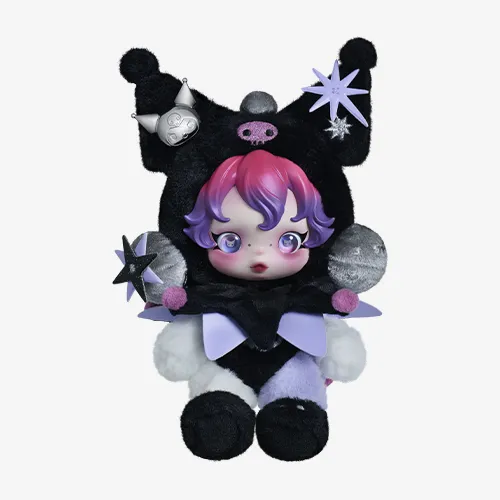 Sanrio & Kitty