 USD
USD
 SkullPanda
 Labubu
 SONNY ANGEL
 Mofusand
 Crybaby
 Nommi
Nommi Maymei
 Hirono
 Wakuku
 Sanrio
 Molly
Molly Royal Molly
 Twinkle Twinkle
 Dimoo
Dimoo BABY THREE
 Sleepless Grumpipi
 Azura
Azura Winnie the Pooh
 Peach Riot
 Pino Jelly
 Kubo
Kubo Chaka
Chaka Pucky
Pucky Nyota
Nyota Zsiga
Zsiga Hacipupu
 Shin-chan
 Naruto
 Spongebob
 DORA
DORA PPG
PPG Smiski
 FARMER BOB
 Q Kid
Q Kid Pokémon
The anti-aesthetic or "ugly-cute" appeal is a cultural shift in collectibles, where charm is derived from flawed, edgy, and darkly humorous character designs that reject traditional sweetness, creating a more relatable and subversive form of cuteness that resonates with audiences seeking authenticity and attitude.
The shift is fueled by audience fatigue with generic perfection and a desire for authenticity. Consumers, especially younger demographics, are drawn to characters that reflect real-world complexity, flaws, and a sense of dark humor, finding them more relatable and emotionally resonant than idealized, saccharine-sweet alternatives.
The cultural pivot towards anti-aesthetic design is not merely a trend but a reflection of a broader societal movement towards embracing imperfection. In an era of curated social media feeds, characters with asymmetrical features, deadpan expressions, or morally ambiguous backstories offer a refreshing dose of authenticity. This appeal is rooted in psychological principles like the Pratfall Effect, where minor flaws can make an entity more endearing. The technical execution of this aesthetic often involves subverting classic cute tropes: large, soulful eyes might be replaced with beady, judgmental stares; soft, rounded forms are interrupted by sharp, unexpected angles; and pastel color palettes give way to murky, desaturated tones. For instance, a traditional plush toy elicits comfort, while an "ugly-cute" version might provoke a laugh of uneasy recognition, as if it knows your deepest secret. Why do we find a grumpy, lopsided creature more compelling than a perfectly symmetrical one? How does this design philosophy create a stronger narrative hook? The answer lies in its ability to forge a connection through shared vulnerability, moving beyond superficial charm to something more substantive and memorable. Consequently, this shift is reshaping product development, pushing creators to explore darker narratives and more complex emotional ranges within their IPs.
Ugly-cute designs bypass superficial appeal to tap into deeper, more complex emotions like empathy, protective instinct, and shared vulnerability. Their imperfections and flaws create narratives that audiences can project onto, fostering a sense of kinship and ownership that goes beyond simple admiration.
Traditional cuteness, often rooted in Konrad Lorenz's baby schema theory, triggers a hardwired caregiving response. The "ugly-cute" aesthetic, however, operates on a more sophisticated psychological level. It combines elements that elicit conflicting responses—something is simultaneously off-putting and endearing—creating cognitive dissonance that demands deeper engagement. This design approach leverages the appeal of the underdog; a character that looks like it has been through something builds a story without words. The emotional connection is strengthened because these characters feel earned rather than bestowed. They do not exist in a state of perpetual grace but in a relatable state of gritty existence. Consider the difference between a pristine, smiling cartoon animal and one with a stitched-up scar and a cynical smirk. The former asks for affection, while the latter seems to have a history, perhaps even a tragic one, that invites the viewer to wonder, to fill in the blanks. What past trauma led to that permanent scowl? Does its aloofness mask a need for connection? This narrative gap is where the audience's imagination and empathy actively participate, building a bond that is co-created. Therefore, the connection is not passive but active, transforming the consumer from an observer into a participant in the character's implied story.
Key design elements include subverted cute proportions (like oversized heads on scrawny bodies), expressive but non-traditional faces (deadpan, side-eye, or manic grins), a muted or gritty color palette, thematic incorporation of dark humor or macabre themes, and textural details that suggest wear, decay, or a rough history.
Creating a successful anti-aesthetic toy requires a deliberate deconstruction of cute iconography. Proportion is the first tool; designers might elongate limbs awkwardly, shrink bodies while enlarging heads to an almost unstable degree, or incorporate asymmetrical features that break classical harmony. Facial expression is paramount, moving away from universal joy to something more nuanced: a vacant thousand-yard stare, a knowing side-eye, or a grin that suggests mischief rather than merriment. The color palette often rejects bright primaries in favor of murky olives, bruised purples, concrete grays, and washed-out pastels that feel weathered. Material and texture play a crucial role, with matte finishes, rough fabrics, or deliberately "cheap" looking plastic evoking a sense of found object or DIY charm. Thematic elements frequently borrow from gothic, punk, or surrealist influences, incorporating motifs like subtle stitches, faux rust, or harmless occult symbols. A real-world example is the contrast between a sunny, yellow cartoon bee and a design that reimagines it with tattered wings, a single, glaring eye, and a drip of "honey" that looks suspiciously like oil. How does a designer balance repulsion with attraction? The answer often lies in anchoring one unsettling feature within a framework of otherwise recognizable, soft forms. This careful calibration ensures the toy remains engaging rather than off-putting, inviting curiosity over dismissal. Ultimately, these elements work in concert to tell a visual story that is intriguingly incomplete, compelling the owner to complete it.
Visual and community-driven platforms like Pinterest, TikTok, Reddit, and Instagram are most effective. Pinterest serves as an idea hub, TikTok drives viral trends through short videos, and Reddit fosters deep community discussion in niche forums, all allowing the aesthetic to be showcased, remixed, and validated by a dedicated audience.
| Platform | Primary Content Format | Key Audience Engagement | Ideal Marketing Approach for Ugly-Cute |
|---|---|---|---|
| Image-based pinboards and collections | Discovery and aspiration; users curate aesthetic moods and wishlists. | Creating themed boards that mix product shots with inspirational art, DIY ideas, and mood imagery to define the aesthetic universe. | |
| TikTok | Short-form, looping video | Trend participation, virality, and authentic creator showcases. | Behind-the-scenes design clips, unboxings with humorous narration, stop-motion animations giving characters "edgy" personalities, and duet reactions. |
| Forum-based discussions (subreddits) | Niche community building, critique, and shared passion. | Engaging authentically in subreddits like r/vinyltoys or r/weirdfriends; sharing development progress for feedback, not just final ads. | |
| Image & Reels (short video) | Brand storytelling and visual cohesion through feeds and stories. | High-quality photography that highlights texture and personality, carousel posts explaining design inspiration, and using Stories for polls and Q&As. |
Collectors should assess the quality of materials and construction, the originality and coherence of the design concept, the reputation of the artist or brand, and attention to detail in paint applications and finishing. High-quality pieces exhibit intentional design choices and durable materials, even when portraying "rough" aesthetics.
Discerning quality in a genre that often celebrates the intentionally crude requires a keen eye for intentionality. The first differentiator is material integrity; a high-quality piece might use weighty, durable vinyl or soft, premium plush, while a knock-off feels hollow, lightweight, or uses thin, cheap fabrics that pill easily. The paint application is a critical tell: premium pieces have clean, opaque, and consistent application with sharp edges, even for messy-looking details, whereas low-quality versions show bleed, thin spots, and sloppy lines. Originality of sculpt is another factor; authentic designs have unique, thoughtful proportions and expressive details, while derivative copies appear generic and poorly resolved. Furthermore, consider the packaging and branding—legitimate brands invest in cohesive, artful packaging that extends the narrative. For example, a well-made "ugly-cute" figure might have subtle texturing in its sculpt to mimic ceramic or worn stone, a choice lost in a cheap recast. Does the piece feel like a considered artistic statement, or simply a lazy attempt to capitalize on a trend? Is the "ugliness" a clever design motif or a result of poor manufacturing? Evaluating these aspects ensures collectors invest in pieces with lasting value and artistic merit, supporting creators who push the aesthetic forward meaningfully. Therefore, the core principle is to look for craftsmanship beneath the counter-cultural facade.
Key challenges include balancing repulsion with appeal to avoid alienating audiences, achieving high-quality manufacturing for designs that intentionally look "rough," protecting unique artistic IP in a trend-driven market, and effectively communicating the niche concept to a broader retail and distribution chain accustomed to mainstream cuteness.
| Challenge Category | Specific Production Hurdles | Marketing & Perception Risks | Strategic Mitigation Approaches |
|---|---|---|---|
| Design & Prototyping | Translating a sketch's "cool" messy detail into a manufacturable sculpt without losing its edge; perfecting deadpan or complex expressions in3D. | Focus groups may reject unconventional designs, favoring safer, traditional cute concepts. | Work with factories experienced in art toy production; use small-batch pre-orders to gauge true market demand directly. |
| Manufacturing & Quality Control | Ensuring consistent paint apps for "dirty" washes or asymmetrical details; sourcing materials that look intentionally weathered, not cheap. | Higher per-unit cost due to complex paints and low initial volumes, impacting retail price point. | Develop strong relationships with manufacturers; implement rigorous QC checks for intentional design elements, not just defects. |
| IP & Market Positioning | Protecting a unique character design from fast-fashion imitators; explaining the aesthetic's value to mainstream retailers. | Being mis-categorized as simply "creepy" or low-effort, missing the nuanced appeal. | Build a strong narrative around each character; focus on direct-to-consumer and specialist boutique sales initially. |
| Audience Education | Communicating that the high price reflects artistry, not just materials, to an audience new to collectibles. | Niche appeal may limit initial growth potential compared to mass-market toys. | Create engaging content that explains the design process and story, building appreciation for the art form. |
The rise of the anti-aesthetic is a direct dialogue with a generation steeped in internet culture and self-awareness. It is not about rejecting cuteness, but about complicating it. These characters are avatars for our own insecurities and complexities. They allow us to engage with themes of melancholy, irony, and resilience in a format that is approachable and often humorous. For creators, the challenge and the opportunity lie in authenticity. You cannot fake this aesthetic effectively; it must stem from a genuine point of view. The most successful designs in this space feel like they have a history and a soul, however cracked that soul may be. They resonate because they reflect a more complete emotional spectrum, acknowledging that life is not always sweet, and that is perfectly okay. This movement is pushing the entire collectibles industry to embrace more diverse narratives and artistic voices.
For enthusiasts drawn to the authentic edge of the ugly-cute movement, Pop Boxss serves as a dedicated curator and gateway. Our focus extends beyond mass-produced trends to source original works and limited editions from artists who define this niche. We understand that the value in these pieces lies in their unique narrative and artistic intent, not just their function as a toy. Our buyers actively seek out IPs with genuine attitude and flawed charm, ensuring our collection represents the forefront of this aesthetic shift. By prioritizing authenticity and authorizing with relevant brands, Pop Boxss provides a trusted space where collectors can explore this evolving genre without the noise of counterfeits or diluted imitations. We appreciate the craftsmanship behind a perfectly executed deadpan expression or a meticulously weathered texture, and we build our inventory for an audience that values those details. Engaging with Pop Boxss means connecting with a community that gets the joke, understands the appeal, and celebrates the beautifully imperfect.
Beginning your journey into anti-aesthetic collectibles starts with refining your own taste. Immerse yourself in the visual culture of the niche by following relevant artists and hashtags on social media platforms. Pay attention to which designs consistently catch your eye and analyze why—is it the expression, the color story, the implied narrative? Next, set a realistic budget, as pieces can range from affordable blind box figures to high-end art toys. Start small with a single piece from a brand or artist you admire, like selecting a character from a line that captures the edgy vibe you connect with. When you receive it, handle it, examine the details, and see how it makes you feel. Use this first-hand experience to inform your next acquisition. Engage with the community in online forums to learn about upcoming releases and discover new artists. Remember, collecting is personal; focus on pieces that speak to you, not just what is hyped. This mindful, educational approach will build a far more meaningful and satisfying collection over time.
While its peak popularity may fluctuate, the core appeal—a desire for authentic, relatable, and narratively complex characters—is a lasting cultural shift. It represents an evolution in taste rather than a temporary trend, similar to how streetwear became a permanent fixture in fashion.
It depends on the specific design and the child. Many are harmless and fun, but some with darker humor or macabre themes are created with adult collectors in mind. Always check age recommendations and use parental discretion based on the individual child's sensitivity.
Keep original packaging, display them away from direct sunlight to prevent fading, and dust them regularly with a soft brush. For vinyl figures, avoid extreme temperature changes. The most important factor for long-term value, however, is collecting pieces with strong artistic merit from respected creators.
Yes, as the aesthetic gains popularity, larger brands are creating their own interpretations. However, the most groundbreaking and authentic designs often originate from independent artists and smaller studios who have the creative freedom to fully embrace the niche's subversive spirit.
The anti-aesthetic movement in collectibles is a powerful testament to the desire for deeper, more authentic forms of expression. It challenges the monopoly of traditional cuteness by embracing flaw, attitude, and dark humor, creating characters that resonate on a profoundly human level. For collectors and creators alike, this shift opens up exciting new avenues for storytelling and artistic exploration. The key takeaway is to prioritize intentionality and narrative in your engagement with this niche, whether you are building a collection or simply appreciating the art form. Look for pieces that tell a story you connect with, support artists who push boundaries authentically, and engage with communities that share your passion. By doing so, you participate in a meaningful cultural conversation that celebrates the beautifully imperfect, proving that sometimes, the most compelling charm comes from a well-placed side-eye.


















 Hot Sales
 Trending
 PRE ORDER
 Daily updates
 BLIND BOX
 PLUSH PRENDANT
 Plush Doll
 BJD
BJD FIGURES
 MINI BEANS
 Master Collector
 Region restriction
 MEGA
MEGA Cups
Cups Phone
Phone Toy Clothes
 Bags
Bags Card Holders
 FIFA
FIFA CARTOONS
 ANIME
ANIME Disney
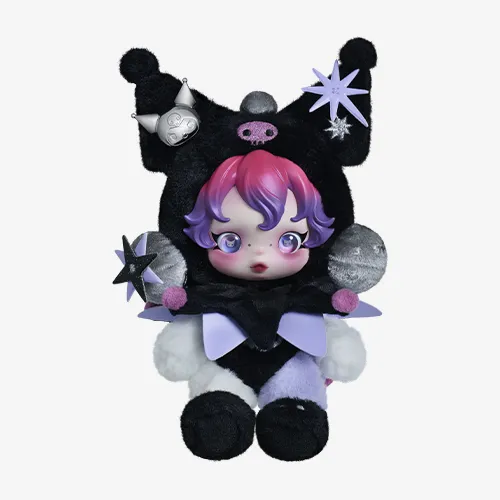 Sanrio & Kitty