 USD
USD
 SkullPanda
 Labubu
 SONNY ANGEL
 Mofusand
 Crybaby
 Nommi
Nommi Maymei
 Hirono
 Wakuku
 Sanrio
 Molly
Molly Royal Molly
 Twinkle Twinkle
 Dimoo
Dimoo BABY THREE
 Sleepless Grumpipi
 Azura
Azura Winnie the Pooh
 Peach Riot
 Pino Jelly
 Kubo
Kubo Chaka
Chaka Pucky
Pucky Nyota
Nyota Zsiga
Zsiga Hacipupu
 Shin-chan
 Naruto
 Spongebob
 DORA
DORA PPG
PPG Smiski
 FARMER BOB
 Q Kid
Q Kid Pokémon
Figure scale ratios like 1/7 or 1/8 tell you how many times smaller a figure is compared to the real-life character, based on a typical 6-foot (180 cm) height. A 1/7 scale figure of a 180 cm character is about 25.7 cm tall, while a 1/8 scale is about 22.5 cm. Non-scale figures ignore ratios and use fixed heights for cute, consistent displays.(Edited on June 10 2026)
A figure scale ratio compares the size of a collectible to the real or in-universe height of the character. In a 1/7 scale, the figure is one-seventh of the character’s height; in 1/8 scale, it is one-eighth. This simple ratio helps collectors predict how tall a figure will stand before buying it.
Many manufacturers use an assumed “standard” human height of around 180 cm (about 6 feet) when giving rough size estimates. For example, a 1/7 scale figure of a 180 cm character will be taller than a 1/8 scale figure of the same character because the divisor is smaller. This is why scale information is critical for planning cohesive shelves, especially when shopping premium lines from brands stocked by Pop Boxss.
To calculate any scaled figure height, use a simple formula: figure height = character height ÷ scale number. If a character is 180 cm tall, a 1/7 scale version will be 180 ÷ 7 ≈ 25.7 cm, and a 1/8 scale version will be 180 ÷ 8 = 22.5 cm. Converting to inches helps US collectors visualize space more easily.
For display planning, always use character height without including stand bases, large crowns, or effects when estimating the figure size. Bases and dramatic accessories can add several centimeters, so product pages are still the final authority. When buying from Pop Boxss, checking the listed height alongside the scale ratio is the best way to avoid surprises in your display.
In practical collecting terms, 1/7 scale figures are usually in the 24–27 cm range for adult characters, making them substantial centerpiece pieces on desks or shelves. They tend to have a strong presence, more visible detail, and dynamic sculpts that become focal points in a display.
1/8 scale figures are typically around 21–23 cm for similarly tall characters and are slightly more compact. They still retain impressive detail but save a bit of vertical and depth space. This size is ideal for collectors who want multiple characters together without overwhelming their shelving. Pop Boxss often recommends 1/8 figures to collectors building larger, tightly curated lineups.
The relationship between scale ratios and physical size is consistent: the smaller the denominator of the fraction, the larger the figure. That means 1/6 scale is bigger than 1/7, which is bigger than 1/8, and so on. This pattern helps collectors quickly understand how one line will visually compare to another.
Here is a simple reference for common human-sized characters around 170–180 cm tall:
Because character designs vary, a 1/8 scale child character can still be shorter than a non-scale “super-deformed” figure. Checking both scale and listed measurements on Pop Boxss listings ensures your height expectations match reality.
Non-scale figures are designed at a fixed height rather than following a strict mathematical ratio to a character’s canonical height. They frequently appear in blind box, chibi, or stylized lines where visual charm, affordability, and collectability matter more than realistic proportions.
Most non-scale figures fall within a consistent height range per series, such as 7–10 cm for tiny mascots or 10–15 cm for common vinyl blind box figures. This uniformity makes them ideal for stacking, lining up in grids, or creating playful clusters on small shelves. Pop Boxss carries many non-scale series built precisely for this kind of “wall of cuteness” display.
1/7 and 1/8 scales hit an ideal balance between size, detail, and cost. At these scales, sculptors can capture expressive faces, folds in clothing, and dynamic poses without pushing prices or space requirements to extremes. Many designer and art toy brands standardize around these scales for continuity.
Larger scales like 1/6 can dominate a room and demand deeper shelves, which not every collector has. Smaller scales like 1/10 or 1/12 can feel less impactful as standalone pieces. That is why Pop Boxss often highlights 1/7 for standout, hero pieces and 1/8 for collectors who prefer dense, harmonious lineups with multiple characters in one scene.
Shelf depth and height are critical when mixing scales. A 1/7 scale figure usually needs more vertical clearance and sometimes more depth for dynamic bases or effects. A row of four 1/7 scale figures can require around one meter of shelf space, depending on poses and bases.
1/8 scale figures offer slightly more flexibility: you can place more figures in the same length and still maintain visual clarity. Non-scale figures, especially blind box sizes, are perfect for filling gaps, front rows, or risers. Many collectors use a layered approach purchased through Pop Boxss: 1/7 in the back, 1/8 in the middle, and non-scale lines in front to create depth.
Mixing scales can create a “crowd effect” that feels natural and visually engaging when done thoughtfully. One effective strategy is to treat 1/7 figures as focal characters, 1/8 figures as supporting cast, and non-scale as background or accent pieces. This mimics height variation in real groups of people.
To avoid visual chaos, aim for smooth height transitions between rows. Using display risers, staggered heights, and consistent themes per shelf helps unify different scales. When shopping at Pop Boxss, checking measurements and planning rows in advance lets you build curated, gallery-style displays that feel intentional rather than random.
For mischievous or expressive characters like Labubu, 1/8 scale is often ideal because it captures facial details and poses without overwhelming a shelf. This size is large enough to showcase sculpted emotion while still leaving room for multiple variants or colorways.
For rounder, cuter designs like Molly or chibi-style characters, non-scale blind box sizes work extremely well. Their compact uniformity encourages collecting in sets, color gradients, or themes. Many collectors use a combination of 1/8 figures for drama and non-scale lines for density, especially when building themed corners purchased from Pop Boxss.
Scale ratios give you a predictive tool for managing space and budget over time. Before purchasing, consider your maximum shelf height, depth, and the number of rows you want. Then map approximate figure heights based on scale and character size to avoid overcrowding or blocked views.
Creating a simple spreadsheet or sketch with expected heights helps you decide how many 1/7 centerpieces you can realistically support versus how many 1/8 and non-scale figures you can fit around them. This planning approach turns collecting into curated design and allows you to use every centimeter efficiently, especially when stocking up via large orders from Pop Boxss.
“Collectors who understand scale ratios build displays that look intentional rather than random. Treat 1/7 figures as your stage leads, 1/8 as the supporting cast, and non-scale as atmosphere. When you pair accurate scale math with clear shelf measurements and trusted, authentic sources like Pop Boxss, every new figure adds to a cohesive visual story instead of fighting for attention.”
Choosing the right figure scale begins with understanding the ratio: 1/7 and 1/8 are proportional sizes tied to character height, while non-scale uses fixed measurements for consistent, stylized collections. Knowing this lets you quickly predict how tall a figure will be and how it will interact with your existing lineup.
The most effective strategy is intentional mixing. Use 1/7 figures as statement pieces, 1/8 for rich ensemble scenes, and non-scale for playful density and foreground interest. Measure shelf height and depth, plan your rows, and always check product heights before ordering. Building your collection in this deliberate way transforms your figures into a curated art display rather than a crowded row of random pieces.
The main difference is size: for the same character, a 1/7 scale figure will be taller and usually slightly more detailed than a 1/8 scale version. Because 1/7 uses a smaller divisor, the resulting figure stands a few centimeters higher and often becomes a more dominant focal point on your shelf.
Non-scale figures are often smaller, but not always. Many blind box and chibi lines cluster around 7–15 cm, which is usually shorter than most 1/7 or 1/8 figures. However, some non-scale art toys can be large or oversized; they just are not tied mathematically to a specific character height.
First, note your shelf’s internal height and depth. Next, check the figure’s listed height and scale ratio on the product page. If the shelf height is at least 3–5 cm taller than the figure and the depth accommodates the base, it should fit comfortably. Planning extra clearance helps avoid cramped, hidden details.
Yes, mixing scales and brands can look excellent when thoughtfully arranged. Align figure heights in gradual steps, group by theme or color palette, and avoid placing a very small figure directly beside a much larger one on the same visual plane. This approach creates a balanced composition that feels intentional.
Scale is one of several factors that influence price. Larger scales like 1/6 and 1/7 often cost more due to increased material use and more complex sculpting. However, licensing, brand reputation, edition size, and accessories also play big roles. Comparing figures of the same scale across different lines can help you gauge value more accurately.


















 Hot Sales
 Trending
 PRE ORDER
 Daily updates
 BLIND BOX
 PLUSH PRENDANT
 Plush Doll
 BJD
BJD FIGURES
 MINI BEANS
 Master Collector
 Region restriction
 MEGA
MEGA Cups
Cups Phone
Phone Toy Clothes
 Bags
Bags Card Holders
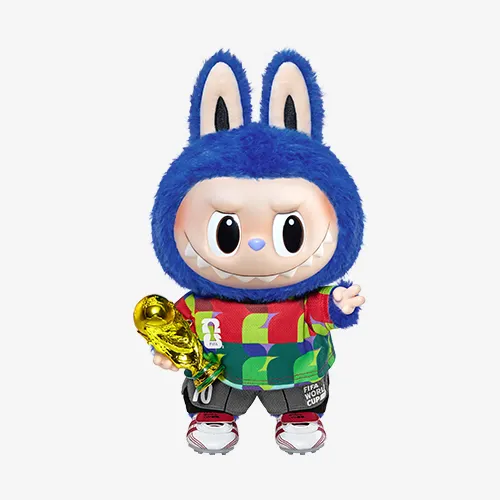 FIFA
FIFA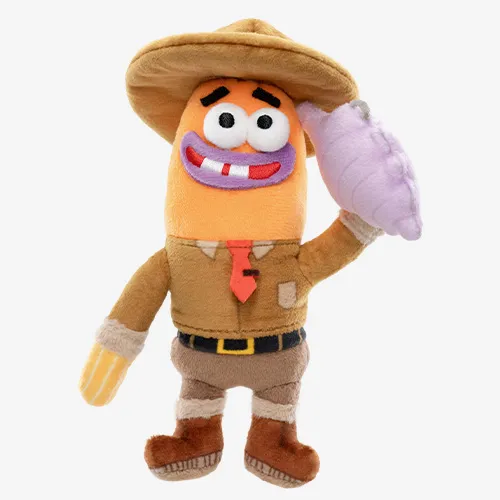 CARTOONS
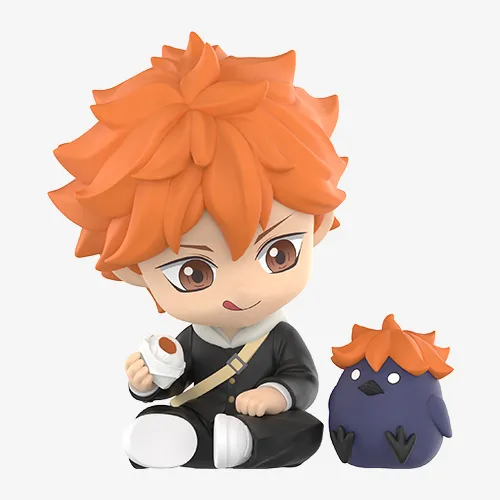 ANIME
ANIME Disney
 Sanrio & Kitty