
 USD
USD
 SkullPanda
 Labubu
 SONNY ANGEL
 Mofusand
 Crybaby
 Nommi
Nommi Maymei
 Hirono
 Wakuku
 Sanrio
 Molly
Molly Royal Molly
 Twinkle Twinkle
 Dimoo
Dimoo BABY THREE
 Sleepless Grumpipi
 Azura
Azura Winnie the Pooh
 Peach Riot
 Pino Jelly
 Kubo
Kubo Chaka
Chaka Pucky
Pucky Nyota
Nyota Zsiga
Zsiga Hacipupu
 Shin-chan
 Naruto
 Spongebob
 DORA
DORA PPG
PPG Smiski
 FARMER BOB
 Q Kid
Q Kid Pokémon
Designer toys are no longer a small niche hobby. Popular figures from brands and artists such as POP MART, Skullpanda, Labubu, Molly, Dimoo, Hirono, ZSIGA, Sonny Angel, and other collectible lines are now actively traded across online shops, resale platforms, social media groups, and live-selling channels. As demand grows, fake listings also become more common.
A fake designer toy listing does not always look obviously suspicious. Some sellers use stolen photos, copied packaging images, vague descriptions, or prices that seem just low enough to attract buyers. For collectors, learning how to read the listing before buying can prevent wasted money and disappointment.
Fake listings appear because designer toys often have strong resale demand. Blind box series, secret figures, limited editions, event exclusives, and discontinued releases can become difficult to find. When a figure becomes popular, counterfeit sellers may copy the product, reuse official images, or list items they do not actually have.
This is especially risky for buyers who are:
A careful listing check does not guarantee everything, but it greatly reduces the risk.
A low price is one of the most common warning signs. Not every discount means the item is fake, but a price far below the usual market level should make you cautious.
Be especially careful when the listing says:
Real limited figures, secret figures, and sold-out releases usually do not appear in large quantities at unusually low prices. If the price looks too good for a popular figure, check the seller, photos, packaging, and reviews before paying.
Official images are useful for reference, but they should not be the only photos in a resale listing. A serious seller should be able to show the actual item.
A risky listing may include only:
For opened figures, always ask for real photos of the actual item. For sealed blind boxes, ask for clear photos of the box, bottom label, side panels, and outer packaging.
Some fake listings use images taken from other sellers, collector groups, or social media posts. The item may not belong to the seller at all.
Possible signs of stolen photos include:
For expensive figures, ask the seller to send a photo with a small paper note showing their username and the current date. A real owner can usually provide this.
A trustworthy listing usually states whether the item is authentic, opened, sealed, used, damaged, incomplete, or missing accessories. A suspicious listing often uses unclear wording to avoid responsibility.
Watch for vague phrases such as:
These words can be used to suggest the item is similar to the original without directly saying it is genuine.
A fake listing often gives very little information. It may only show the character name, price, and “ready stock” without details about the series, condition, box, card, or accessories.
A reliable listing should usually explain:
If the seller avoids basic product information, the risk is higher.
A seller with many rare or secret figures available at the same time should be checked carefully. Some professional sellers do have large inventory, but fake sellers often list many hard-to-find figures to attract collectors.
Be cautious if the seller has:
Rare figures are not impossible to find, but large quantities of rare figures at cheap prices are suspicious.
Reviews can help, but they are not always reliable. Some sellers build fake reviews using cheap products, unrelated items, or generic comments.
Check whether the reviews include:
Be careful with reviews that all sound the same, have no photos, or only mention “good product” without showing the actual designer toy.
A serious seller should not be offended by reasonable photo requests, especially for expensive collectibles. If a seller refuses to show the box, label, card, or close-up details, that is a warning sign.
Useful photos to request include:
If the seller says they are “too busy” or pressures you to pay first, do not rush.
Packaging is often one of the easiest places to spot a problem. Fake boxes may copy the general look but miss small details.
Common packaging red flags include:
For blind box collectibles, the box should match the exact series. A figure placed in the wrong box is a serious warning sign.
A sealed blind box can still be risky if the seller does not show enough packaging detail. Some listings claim “sealed” but only show one front photo.
Before buying sealed designer toys, check:
A resealed blind box may have been opened, checked, swapped, or filled with a fake item.
Some fake figures are not terrible at first glance. They may look close enough in small photos, but the details feel off.
Common visual warning signs include:
Designer toys depend heavily on small visual details. If the face or overall mood feels wrong, compare it with official images and collector photos.
Scam sellers often push buyers to decide quickly. They may say someone else is ready to buy, the price is only valid today, or payment must be made outside the platform.
Be careful when a seller says:
For collectibles, pressure is a bad sign. A legitimate seller should allow basic inspection and normal payment protection.
Even if the listing looks good, unsafe payment can make the purchase risky. Avoid payment methods that give you no way to dispute the transaction.
Higher-risk payment situations include:
For expensive figures, use a platform or payment method that supports disputes, returns, or buyer protection.
Fake sellers may avoid giving clear shipping details because they do not have the product or are sending a different item.
Check whether the listing explains:
Designer toys can be fragile. A real seller should understand packaging protection, especially for boxed figures.
Many collectible sales are final, especially for opened blind boxes. However, even then, the seller should be clear about what happens if the item is fake, damaged, or not as described.
A suspicious listing may say:
A strict return policy is not always a scam, but when combined with vague photos and low pricing, it becomes risky.
| Listing Check | Safer Sign | Warning Sign |
|---|---|---|
| Price | Close to normal market range | Far below usual resale price |
| Photos | Real item photos from multiple angles | Only official images or screenshots |
| Seller | Good history and relevant reviews | New account or unrelated reviews |
| Description | Clear series, condition, box, card | Vague or very short text |
| Authenticity | Direct, confident claim | “Original-like” or “factory version” |
| Box | Sharp printing and correct labels | Blurry print, wrong text, weak box |
| Figure | Accurate sculpt and paint | Face, color, or details look wrong |
| Payment | Buyer protection available | Direct payment with no dispute option |
| Communication | Willing to answer questions | Refuses photos or pressures payment |
Before purchasing a designer toy from a reseller, ask simple but specific questions:
A reliable seller should answer these questions directly.

















 Hot Sales
 Trending
 PRE ORDER
 Daily updates
 BLIND BOX
 PLUSH PRENDANT
 Plush Doll
 BJD
BJD FIGURES
 MINI BEANS
 Master Collector
 Region restriction
 MEGA
MEGA Cups
Cups Phone
Phone Toy Clothes
 Bags
Bags Card Holders
 FIFA
FIFA CARTOONS
 ANIME
ANIME Disney
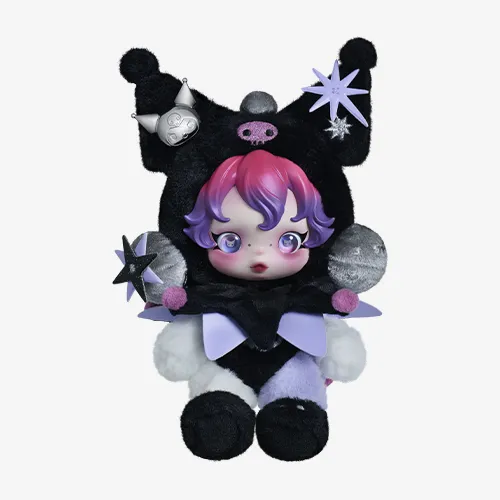 Sanrio & Kitty