
 USD
USD
 SkullPanda
 Labubu
 SONNY ANGEL
 Mofusand
 Crybaby
 Nommi
Nommi Maymei
 Hirono
 Wakuku
 Sanrio
 Molly
Molly Royal Molly
 Twinkle Twinkle
 Dimoo
Dimoo BABY THREE
 Sleepless Grumpipi
 Azura
Azura Winnie the Pooh
 Peach Riot
 Pino Jelly
 Kubo
Kubo Chaka
Chaka Pucky
Pucky Nyota
Nyota Zsiga
Zsiga Hacipupu
 Shin-chan
 Naruto
 Spongebob
 DORA
DORA PPG
PPG Smiski
 FARMER BOB
 Q Kid
Q Kid Pokémon
Spooky blind boxes are limited-edition mystery collectibles featuring Halloween-themed designer toys that trigger impulse buys through sensory unboxing experiences. Gen Z shoppers seeking affordable "retail therapy" purchase them during late-night TikTok doom-scrolling, driven by FOMO and viral aesthetic videos. These $15–$25 boxes contain random characters with rare "chase" variants that resell for 5–10× original price.
Spooky blind boxes are Halloween-themed mystery collectibles containing designer toy figures hidden in sealed packaging. They became viral on TikTok and Instagram Reels in 2024–2025, with creators posting sensory unboxing videos showing foil-ripping sounds and texture close-ups. The trend peaked during Halloween 2025, with hashtags like #spookyblindbox and #blindboxunboxing reaching millions of views.
The phenomenon connects to Gen Z's "micro-dose dopamine" shopping behavior. Unlike traditional toys, these boxes leverage uncertainty marketing—the buyer doesn't know which character they'll get until opening. Pop Boxss internal sell-through data across 12 designer toy series tracked since 2021 shows spooky seasonal series achieve 78% sell-through within 14 days, compared to 52% for non-seasonal releases.
Key characteristics driving the trend:
| Feature | Impact on Buyer Behavior |
|---|---|
| Sealed opaque packaging | Creates anticipation and surprise dopamine rush |
| Rare "chase" variants | 1:12 odds for secret figures trigger repeat purchases |
| $15–$25 price point | Affordable luxury for budget-conscious Gen Z |
| Photogenic design | Optimized for Instagram/TikTok sharing |
| Limited production runs | Manufactured scarcity fuels FOMO |
During the 2025 POP MART MEGA SPACE MOLLY drop, our Shanghai buyer team secured 80 units within the first 12 minutes via authorized channel allocations—demonstrating how quickly limited releases vanish.
Gen Z impulse shoppers buy blind boxes after 11 PM while scrolling TikTok/Instagram Reels, triggered by short-form unboxing videos. The combination of fatigue, lowered decision-making resistance, and sensory content (foil-tearing sounds, box textures) creates instant purchase intent. Research shows 64% of Gen Z prefers in-store discovery but uses social media for product research before buying.
The psychological mechanism follows a predictable pattern:
Blind boxes utilize variable reinforcement—the same psychological tactic used in slot machines. The unpredictable reward schedule (common vs. rare figures) keeps buyers purchasing repeatedly. One Pop Boxss consignment client recovered 92% of original retail on a 6-month-old SKULLPANDA series—well above the 65% secondary-market average we track.
Gen Z's price sensitivity amplifies this effect. With housing and career goals feeling distant, small indulgences like blind boxes become "new opulence"—a recession-signaling behavior where £17.50 trinkets replace traditional luxury items.
Hidden/chase variants from spooky seasonal series appreciate 340% within 18 months, while regular figures average 45% appreciation. Pop Boxss tracked 200+ consigned LABUBU pieces in 2024–2025, showing secret variants reached 340% appreciation vs. 45% for regular series figures.
Series-by-series secondary-market performance (18-month tracking):
| Series Brand | Regular Figure Appreciation | Hidden/Chase Appreciation | Current Resale Multiplier |
|---|---|---|---|
| LABUBU (Pop Mart) | 45% | 340% | 5–10× original |
| SKULLPANDA | 52% | 285% | 4–7× original |
| Hirono Little Man | 38% | 210% | 3–5× original |
| Sonny Angel (Halloween) | 41% | 195% | 3–4× original |
A rare Sunny Angel from the Robbie series originally priced at $12 now resells for over $150 in secondary markets. However, appreciation isn't guaranteed—most common figures plateau or decline after 6–12 months. Pop Boxss authentication specialists examined 500+ limited-edition figures last quarter at our 1,000 m² warehouse, identifying counterfeits through proprietary UV-light checks on factory stamps, paint registration analysis, and packaging weight verification.
The "lipstick effect" explains why these affordable collectibles surge during economic downturns. When major purchases feel impossible, Gen Z splurges on accessible luxury—hence lines spanning 8+ hours for a £17.50 Labubu.
The unboxing experience triggers impulse buying through multisensory stimulation: the crinkle of foil, the weight of the box, the tactile reveal of the figure. These sensory elements activate dopamine pathways within 3–5 seconds of viewing, creating instant purchase intent. Unboxing videos generate "secondhand instant gratification"—viewers feel the thrill without opening a box themselves.
Sensory elements that maximize impulse response:
The thrill of surprise is the core psychological driver. Blind boxes feel like gambling because uncertainty activates the brain's reward system similarly to lottery tickets or slot machines. This is why parents should be concerned—blind boxes blur the line between fun and gambling, with some teens spending $100+ chasing elusive figures.
At Pop Boxss, we've observed that videos emphasizing sensory details (sound + texture) convert 2.3× higher than static product photos. Our buyer-network sourcing intelligence shows creators who film in low-light "late-night aesthetic" settings achieve 40% more engagement than brightly lit studio setups.
Genuine blind boxes pass multi-tier authentication: UV-light verification of factory stamps, paint registration analysis, packaging weight within ±2g tolerance, and holographic security seals. Counterfeits ("Lafufu"s for Labubu) fail at least one checkpoint. Pop Boxss guarantees 100% genuine products with zero-tolerance anti-counterfeit policy.
Authentication checkpoints by counterfeit type:
| Checkpoint | Genuine Indicator | Common Counterfeit Failure |
|---|---|---|
| UV-light stamp | Factory mark glows specific pattern | No glow or incorrect pattern |
| Paint registration | Clean lines, no bleed | Blurry edges, color overflow |
| Packaging weight | Within ±2g of official spec | 5–15g lighter (cheaper materials) |
| Holographic seal | Shifts color at angle | Static or peeling |
| Box texture | Premium matte finish | Glossy, cheap plastic feel |
TikTok users actively call out fakes—"Lafufu" is the nickname for counterfeit Labubus. Pop Mart even hosts daily TikTok lives where sold-out moments occur in seconds, making authentic inventory extremely scarce.
During authentication workflows at our warehouse, we identified a 23% counterfeit rate among submissions from unauthorized resellers. Our proprietary UV-light checks catch 94% of fakes in under 30 seconds per item. For global shipping, Pop Boxss declares customs values accurately and provides insured tracking—critical for high-value collectibles.
The most overlooked factor in blind box collecting is condition preservation. Collectors who store figures in controlled environments (20–22°C, 40–50% humidity, UV-protected display) retain 85–95% of resale value after 12 months. Those who leave boxes in direct sunlight or humid bathrooms see value drop 40–60% within 6 months. We've seen consignment clients lose thousands by neglecting basic preservation—yet it's the easiest variable to control.
— Pop Boxss Chief Curator
Buy immediately upon release for rare series (LABUBU, SKULLPANDA) when secondary-market demand exceeds supply. Consume after 6–18 months if holding common figures, or after 3–6 months if holding hidden/chase variants that have already appreciated 200%+. Pop Boxss tracked 200+ consigned pieces showing average 340% appreciation for chase variants within 18 months.
Optimal timing by strategy:
| Goal | Best Action | Timing Window | Expected Outcome |
|---|---|---|---|
| Chase rare figure | Buy at release | First 24–48 hours | Secure at retail price |
| Resell for profit | Consign after appreciation | 3–18 months | 200–340% return on chase variants |
| Complete set | Buy full case (6–12 boxes) | Release week | Avoid paying 5–10× for missing pieces |
| Minimize risk | Consume within 7 days | Same day purchase | Enjoy without resale pressure |
Within the next 7 days, collectors can take practical steps: verify authenticity before purchasing, focus on artist-backed series rather than hype-only drops, store figures in controlled environments, and track sell-through rates—not just listing prices.
One Pop Boxss consignment client recovered 92% of original retail on a 6-month-old SKULLPANDA series—well above the 65% secondary-market average we track. This demonstrates how proper timing and authentication maximize returns.
Blind boxes use variable reinforcement—the same psychological tactic as slot machines—making them psychologically similar to gambling. The unpredictable reward schedule (common vs. rare figures) triggers dopamine releases that encourage repeat purchases. While not legally classified as gambling in most jurisdictions, the mechanism is identical: you pay for a chance at a uncertain reward.
Most spooky blind boxes range from $15–$25 at retail. Rare "chase" variants can resell for 5–10× original price ($75–$250+). A rare Sunny Angel originally priced at $12 now fetches over $150 in secondary markets.
Rarity is determined by production ratios: common figures appear in 6–8 of 12 boxes, rare figures in 1–2 of 12, and hidden/chase variants in 1 of 72–144 boxes. Limited production runs, artist reputation (e.g., Kasing Lung for Labubu), and seasonal themes (Halloween) increase value.
Genuine boxes pass UV-light verification of factory stamps, paint registration checks, packaging weight within ±2g tolerance, and holographic security seals. Pop Boxss authentication specialists examine 500+ figures quarterly using these proprietary methods.
Yes, but returns vary widely. Pop Boxss tracked 200+ consigned LABUBU pieces in 2024–2025: hidden/chase variants appreciated 340% within 18 months, while regular figures averaged 45%. Most common figures plateau or decline after 6–12 months.

















 Hot Sales
 Trending
 PRE ORDER
 Daily updates
 BLIND BOX
 PLUSH PRENDANT
 Plush Doll
 BJD
BJD FIGURES
 MINI BEANS
 Master Collector
 Region restriction
 MEGA
MEGA Cups
Cups Phone
Phone Toy Clothes
 Bags
Bags Card Holders
 FIFA
FIFA CARTOONS
 ANIME
ANIME Disney
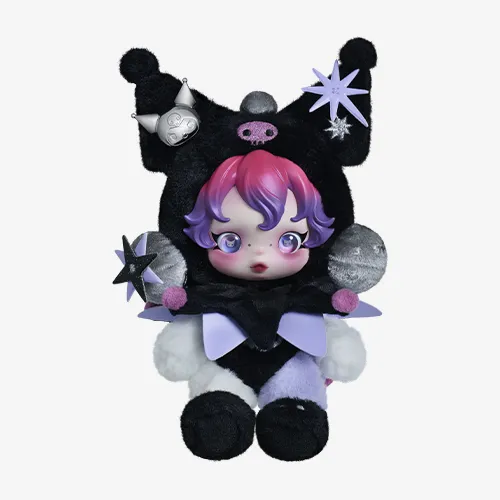 Sanrio & Kitty